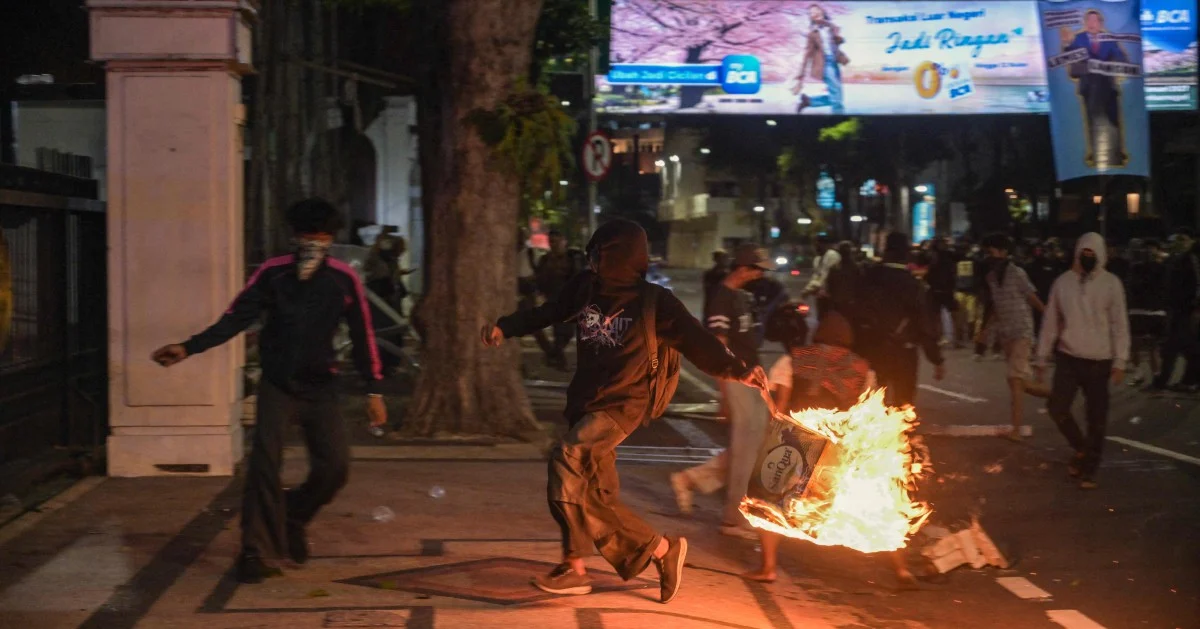
Law enforcement authorities in Indonesia's second-largest city have moved against demonstrators who gathered to express opposition to policies being pursued by President Prabowo Subianto, with a human rights organization confirming the detention of numerous individuals on Saturday. The arrests underscore intensifying tensions over the direction of governance in Southeast Asia's most populous nation, as citizens exercise their constitutional right to protest while facing potential legal consequences for exercising that freedom.
The rally in Surabaya represents part of a broader pattern of public dissatisfaction with the current administration's approach to various policy matters. Rather than isolated incidents, these demonstrations reflect deeper divisions within Indonesian society regarding the priorities and implementation of presidential initiatives. The fact that such protests have reached the scale warranting police action indicates that concerns extend beyond fringe activist circles to encompass significant segments of the general population.
The detention of protesters raises questions about the boundaries authorities are establishing around acceptable political expression and dissent. Indonesia's legal framework nominally protects freedom of assembly and speech, yet enforcement practices sometimes create friction between these constitutional protections and government interpretations of public order and security. The Surabaya arrests contribute to an ongoing international conversation about how democracies balance security concerns with the preservation of civil liberties that citizens expect in a functioning democratic system.
Human rights organizations play a crucial monitoring role in documenting police actions during demonstrations, providing independent verification of detention numbers and conditions. Their involvement in reporting these arrests serves as a check on official narratives, ensuring that accounts of what transpired reach the public domain. This accountability mechanism has grown increasingly important as demonstrations become more frequent across Indonesian cities, with various groups mobilizing around distinct policy concerns ranging from economic to environmental issues.
The timing and location of these protests merit consideration within Indonesia's political landscape. Surabaya's prominence as an urban and economic centre means that demonstrations there carry symbolic weight and garner significant media attention. When major cities experience such unrest, the ripple effects extend beyond local boundaries, influencing national discourse and potentially inspiring similar actions in other regions throughout the archipelago.
Prabowo Subianto's presidency has already generated controversy among sectors of Indonesian society, and these protests suggest that opposition extends to specific policies rather than representing blanket rejection of his government. Understanding the particular grievances driving demonstrators remains essential for policymakers seeking to address underlying discontent before it manifests in larger-scale social disruption. Without engagement with the substance of protestors' complaints, governments risk allowing tensions to fester and intensify.
The police response to the Surabaya demonstration reflects broader security protocols that Indonesian law enforcement applies to public gatherings deemed potentially disruptive. However, the characterization of protesters as requiring arrest rather than dispersal suggests authorities may have assessed the situation as involving illegal activity or obstruction of public spaces. Documentation of specific charges, if any, would clarify whether detention represents a response to violent conduct, property damage, or simply the act of protesting itself.
For Malaysian observers, the developments in Indonesia carry relevance given the shared regional context and similar democratic institutions. Both nations grapple with balancing civic participation rights against maintenance of social stability, and the approaches taken by Indonesian authorities may foreshadow or reflect broader Southeast Asian trends in how governments manage political dissent. The precedents established in one country often influence expectations and practices across the region.
The role of civil society and watchdog organizations becomes amplified during periods of heightened tensions between authorities and citizens. These groups serve as repositories of information, providing documentation that might otherwise disappear from public record, and their continued operation and credibility remain vital to informed public discourse about police conduct and government accountability.
As Indonesia navigates the Prabowo presidency, the apparent willingness of citizens to voice opposition through organized demonstrations indicates a populace engaged with political outcomes. Whether authorities respond through dialogue, policy adjustment, or further enforcement actions will significantly shape public perception of governmental receptiveness to constituent concerns. The Surabaya arrests represent a moment where different visions of how Indonesian democracy should function collide, with implications extending throughout the region's political ecosystem.

