President Prabowo Subianto faces mounting pressure from the Indonesian media establishment after using a historically charged term to describe journalists, prompting six major press unions to formally demand an apology and renewed commitment to press freedom. The unified response from the Alliance of Independent Journalists, Journalists Association of Indigenous Peoples of the Archipelago, Alternative Media Coalition, Society of Indonesian Environmental Journalists, Indonesian Photojournalist Association, and Archipelago Media Development Society signals deep concern over what they view as an attack on the cornerstone of democratic governance.
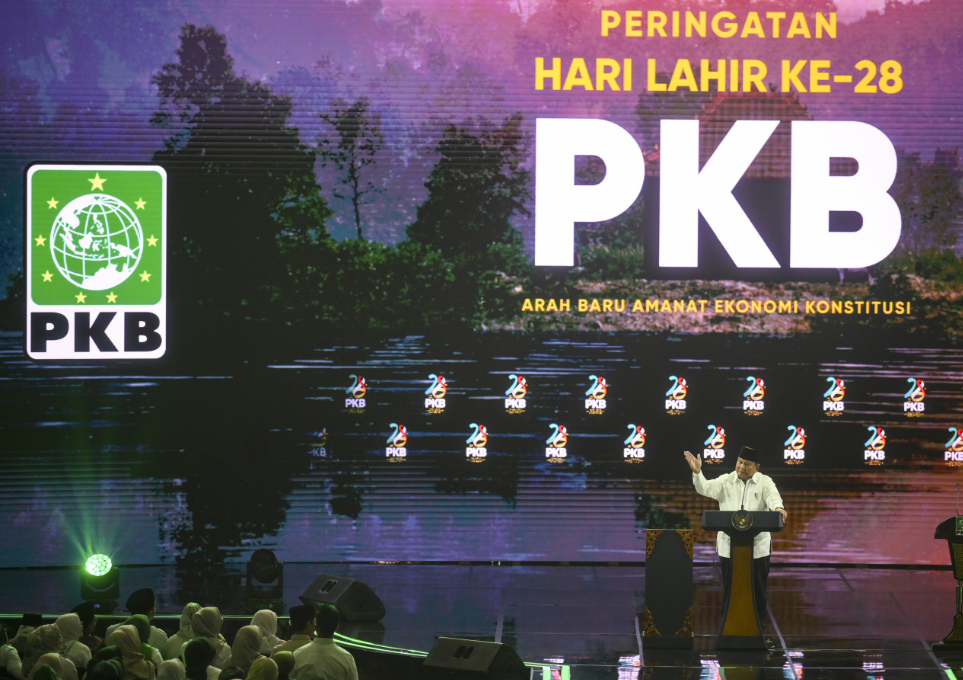
The controversy erupted when Prabowo, speaking at the 28th anniversary celebration of the National Awakening Party last Thursday, referenced the term londo ireng whilst discussing what he characterized as Indonesians maintaining allegiance to foreign interests. In his remarks, the president drew a parallel between historical collaborators with the Dutch colonial authorities and contemporary figures he believes pursue foreign agendas, explicitly naming journalists, reporters, analysts and non-governmental organizations as modern embodiments of this category. The inflammatory language immediately triggered condemnation from media advocacy groups, which view the statement as more than merely offensive rhetoric.
The term londo ireng carries profound historical weight in Indonesia's national consciousness. Originally deployed to describe West African mercenaries recruited into the Royal Netherlands East Indies Military during the aftermath of the devastating 1825-1830 Diponegoro War, the phrase evolved into a pejorative label for indigenous Indonesians accused of betraying their nation by collaborating with Dutch colonial administrators. By invoking this terminology, critics argue that Prabowo weaponized a term loaded with associations of treachery and foreign servitude, deliberately framing independent journalism as antithetical to Indonesian nationalism and sovereignty.
Nany Afrida, chairwoman of the Alliance of Independent Journalists, articulated the unions' central objection in a statement released Saturday. She emphasized that applying such language to the journalistic profession contradicts both the constitutional protection of press freedom enshrined in Law No. 40/1999 on Press and the fundamental principles undergirding a functional democracy. The use of londo ireng, she argued, operates simultaneously as a delegitimizing attack on journalistic credibility and an attempt to reframe critical reporting as foreign-influenced subversion rather than legitimate public interest journalism.
The unions identified a pattern of adversarial conduct toward media practitioners under Prabowo's leadership, pointing to previous incidents including the exclusion of journalists from his speeches. This broader context transforms the londo ireng comment from an isolated rhetorical misstep into what advocates perceive as symptomatic of a troubling administrative stance toward the press. The concern extends beyond personal insult to encompass institutional implications—specifically, whether a government that characterizes journalists as foreign agents will create conditions hostile to investigative reporting and critical scrutiny of state conduct.
Prabowo's family history adds an ironic dimension to his invocation of colonial collaboration charges. His maternal great-grandfather, Captain Benjamin Thomas Sigar, served as a KNIL officer who participated in the arrest of Prince Diponegoro, the legendary resistance figure against Dutch rule whose war gave rise to the very term Prabowo employed. Conversely, his paternal lineage includes uncles who died fighting Japanese forces during Indonesia's independence struggle. This complicated ancestral legacy suggests potential tensions between Prabowo's nationalist rhetoric and family connections to colonial-era military hierarchies, though the president's supporters might argue it demonstrates his family's diverse sacrifice across different periods of Indonesian history.
The press unions emphasized that their resistance to the president's characterization reflects neither partisan opposition nor disloyalty to Indonesia but rather fidelity to professional standards and democratic norms. Journalists, they maintained, operate within clearly defined ethical frameworks through the Journalists' Code of Ethics and are bound by legal requirements that ensure responsible reporting. The accusation that media criticism of government policy represents foreign loyalty, the unions contended, misrepresents the fundamental democratic function of press oversight—namely, to expose inefficiency, corruption and policy failures to encourage institutional improvement.
For Malaysia and the broader Southeast Asian region, the dispute carries significant implications regarding democratic resilience and state-media relations. Indonesia, as the region's largest democracy and a nation with considerable influence over regional norms, faces a critical moment in determining whether elected leadership will respect institutional checks on executive power. Press freedom rankings have registered concerning declines across Southeast Asia in recent years, and Indonesia's trajectory will likely influence whether other governments in the region feel emboldened to adopt more confrontational approaches toward independent journalism.
The unions explicitly demanded that Prabowo and his administration cease what they characterize as stigmatization and criminalization of journalists, civil society organizations, and media observers. They called for enforceable guarantees of journalist safety, protection from intimidation and violence, and freedom from legal harassment related to critical reporting. The demands reflect recognition that press freedom depends not merely on formal legal protections but on government willingness to create a permissive environment where journalists can investigate and report without fear of retaliation.
The dispute also illuminates broader tensions within Indonesian political discourse regarding nationalism, foreign influence, and the proper scope of critical speech. Prabowo's invocation of historical collaborators with colonial powers resonates with nationalist sentiment among certain constituencies who view foreign pressure on Indonesian governance as an ongoing threat to sovereignty. Yet press unions counter that genuine sovereignty and national strength require robust domestic institutions capable of self-examination and course correction—functions that independent media serve rather than undermine.
Moving forward, the response from Prabowo's administration will signal whether the government intends to engage substantively with press freedom concerns or dismiss them as foreign-influenced criticism. An apology and commitment to press protection would represent democratic maturity and institutional respect. Conversely, defensive rhetoric or further attacks on journalistic credibility would confirm fears among media advocates that press freedom faces systematic pressure under the new administration, potentially prompting international scrutiny and further polarization of Indonesia's political landscape around fundamental questions of democratic governance.

