Soekarno-Hatta International Airport, which processes between 25,000 and 30,000 international passengers daily, has become the focal point of a sprawling transnational drug trafficking problem that defies simple geographic or national categorisation. Since the beginning of this year, customs authorities have recorded more than 300 narcotics cases at the sprawling Jakarta facility, translating to an average of at least two interdictions per day and involving suspects drawn from a diverse cross-section of nationalities. The sheer volume underscores both the scale of Indonesia's enforcement efforts and the relentless ingenuity of trafficking syndicates that treat major aviation hubs as porous arteries for moving controlled substances across Southeast Asia and beyond.
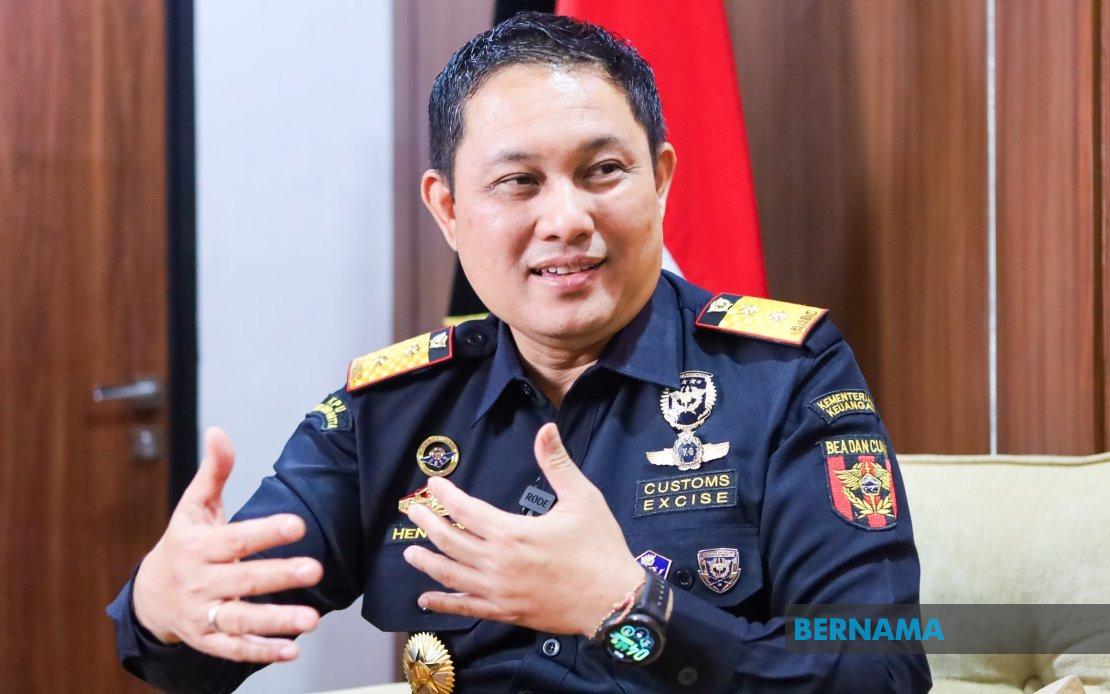
Hengky Tomuan Parlindungan Aritonang, who heads the Soekarno-Hatta Main Customs and Excise Office, emphasised in recent remarks that the arrest data tells a more complex story than simple origin-and-destination narratives might suggest. While flights arriving from Malaysia, Thailand, or Hong Kong may be flagged as potential vectors for drug smuggling, the actual profile of arrested couriers and the ultimate source of intercepted substances rarely align neatly with published flight manifests. Instead, trafficking organisations exploit the interconnected nature of regional aviation to construct plausible deniability, routing shipments through intermediate hubs and recruiting couriers whose nationality or employment history might deflect suspicion from law enforcement.
The mechanics of this strategy have become evident through months of customs data. Arrested suspects this year have hailed from Spain, Malaysia, France, China, and numerous other countries, while the primary sources of detected narcotics point toward Thailand, Spain, Malaysia, and Singapore. What distinguishes one arrest from another is often not where a flight originated but rather the particular substance involved and the method of concealment employed. Psychotropic drugs, the anaesthetic etomidate, and methamphetamine remain among the most commonly intercepted items by frequency, though methamphetamine and MDMA account for the largest seizures when measured by weight. The diversity of smuggling routes and methods reflects an adaptive criminal ecosystem constantly testing the boundaries of airport security systems.
Aritonang revealed that trafficking networks employ multiple vectors beyond conventional passenger baggage. Air cargo shipments represent a parallel channel through which significant quantities of narcotics attempt entry, with customs investigators working backwards from identified recipients to establish the sender's identity and location. This investigative approach has proven effective in dismantling supply chains, though the constant innovation in concealment techniques means that interdiction remains a resource-intensive, ongoing challenge. The volume of passenger traffic and cargo throughput at a facility of Soekarno-Hatta's magnitude creates inherent opportunities for smugglers to test new methods and exploit gaps in screening protocols.
Recent arrests of Malaysian nationals have intensified scrutiny of the airport's enforcement practices and sparked concerns about potential profiling based on nationality. A Malaysian pilot detained last week following the discovery of approximately 25 kilogrammes of MDMA sparked particular attention, given both the suspect's professional standing and Malaysia's geographic proximity to Indonesia. Separately, authorities at Juanda International Airport near Surabaya apprehended another Malaysian carrying 990 grammes of methamphetamine and 1,089 ecstasy pills allegedly concealed on his body. Within days, three Malaysian women were detained at Soekarno-Hatta after customs personnel discovered suspected MDMA, cocaine, and ketamine in their possession. The clustering of these incidents has raised questions among Malaysian travel communities about whether increased enforcement scrutiny targets specific nationalities.
Aritonang moved swiftly to address such concerns, issuing assurances that Malaysian travellers would not face discriminatory screening or enhanced surveillance simply because recent high-profile arrests involved citizens from that country. He stressed that customs operations at the airport proceed according to professional protocols grounded in intelligence analysis, X-ray imaging, and data-driven risk assessment rather than demographic characteristics. The assertion reflects broader international norms around passenger processing, yet the timing of his public reassurance hints at potential friction between Malaysia and Indonesia around the enforcement environment at their shared aviation gateway. For Malaysian business travellers, tourists, and regular commuters, the distinction between nationality-based profiling and rigorous but equitable screening carries significant practical implications.
The pilot case itself warrants particular examination precisely because it represents an outlier within both criminal and enforcement contexts. Individuals holding commercial aviation licenses undergo extensive vetting, medical screening, and background investigation before certification, creating a profile that conventional wisdom would exclude from criminal recruitment. Yet the syndicate that allegedly engaged this particular pilot appears to have recognised an opportunity in the very improbability of the crime. Aritonang characterised the logic as inverted: where law enforcement assumes certain positions or professions render individuals unlikely candidates for courier work, sophisticated trafficking organisations deliberately target those same individuals, betting that the incongruity itself provides concealment. This represents a disturbing evolution in criminal methodology, one that turns the predictable patterns of enforcement against itself.
Historical precedent for such cases remains remarkably limited within Indonesia's enforcement record. Aritonang acknowledged awareness of only one prior instance involving a pilot charged with drug trafficking—an Indonesian national arrested approximately two decades earlier. The rarity underscores how exceptional the recent Malaysian pilot's case represents within the broader context of drug interdiction at Southeast Asian airports. Yet the very fact that syndicates have now demonstrated willingness to recruit from this previously untouched professional category suggests that future enforcement efforts may need to incorporate new risk assessment frameworks that account for precisely those profiles previously considered statistically improbable as courier candidates.
The broader archipelago of trafficking patterns evident across Soekarno-Hatta's seven-month enforcement record carries implications far beyond Indonesia's borders. The concentration of cases involving substances sourced from Thailand, Malaysia, and Singapore—all major regional economic and transportation hubs—demonstrates how proximity, existing commercial infrastructure, and established logistical networks facilitate drug trafficking. For Malaysian policymakers and business leaders, the data serves as a reminder that the country's own position as a regional aviation and shipping centre creates inherent vulnerabilities to exploitation by transnational criminal organisations. Collaborative enforcement efforts, information sharing, and harmonised screening standards across Southeast Asia become increasingly essential as trafficking networks grow more sophisticated in their use of regional networks.
Looking forward, the enforcement challenge at Soekarno-Hatta will likely intensify rather than diminish. The airport's passenger volume continues to grow alongside economic integration across Southeast Asia, creating ever-expanding opportunities for syndicates to exploit. Customs authorities must simultaneously maintain screening rigour without descending into profiling based on nationality, ethnicity, or other demographic factors—a balancing act that becomes progressively more difficult as arrest patterns create political pressure for visible enforcement activity. The case of the Malaysian pilot illustrates how individual arrests can transcend their specific factual circumstances to become symbols within broader narratives about security, nationality, and border control that extend well beyond technical questions of drug interdiction and into the realm of bilateral relations and international reputation management.

