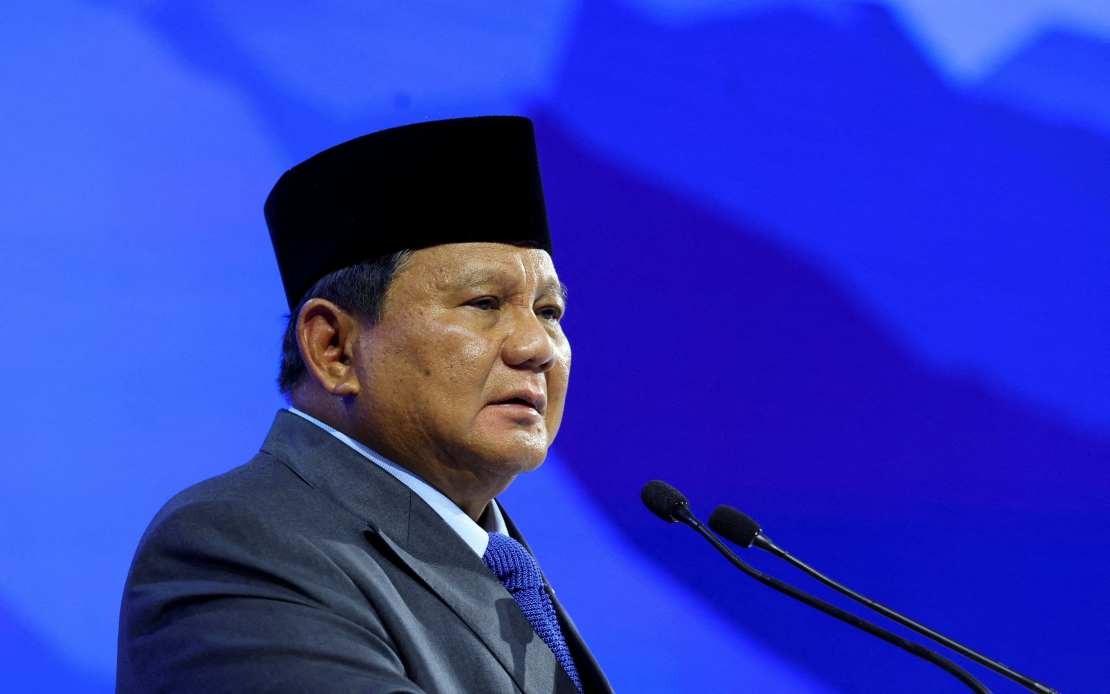
Indonesia's escalating forest and land fires appear to be responding to intensive government intervention, with President Prabowo Subianto signalling Tuesday that the situation could be brought to an end within the next fortnight. Speaking at the launch of Indonesia's solar power programme in Jembrana, Bali, the president indicated that coordinated efforts across multiple fronts have begun yielding tangible results in several fire-affected areas, though challenges remain across the sprawling archipelago.
The scale of the governmental response underscores the severity of the crisis threatening Indonesia's environment and neighbouring nations. Prabowo disclosed that authorities have deployed substantial aerial and ground-based assets, including dozens of helicopters and more than a dozen fixed-wing aircraft to conduct water-bombing operations. The response infrastructure extends to the ground, with hundreds of water wells and pumping systems established to support firefighting teams across affected regions, while thousands of personnel continue round-the-clock operations in what represents one of the most resource-intensive disaster responses in recent Indonesian history.
Prabowo's personal engagement in the crisis response reflects the political priority assigned to the fires. He visited West and Central Kalimantan on Saturday to assess operations firsthand and direct response efforts, subsequently travelling to Sumatra on Monday to oversee firefighting activities there. These field visits serve both practical and political purposes, allowing the president to evaluate conditions while demonstrating government presence in affected communities—a critical factor in maintaining public confidence during environmental emergencies that can span multiple provinces simultaneously.
The president contextualised Indonesia's fire situation within broader climate patterns, noting that the world is experiencing an exceptionally strong El Niño phenomenon this year, with meteorologists forecasting it could rank among the most powerful on record. This climatic backdrop creates compounding pressures on Indonesia, a nation particularly vulnerable to drought conditions triggered by such weather patterns. The El Niño effect typically intensifies dry seasons across Southeast Asia, making vegetation more combustible and creating conditions where both natural ignition sources and human activities pose significantly elevated wildfire risks. Prabowo stressed the necessity of heightened vigilance given these meteorological forecasts.
The president credited effective coordination among government institutions for the apparent progress. He highlighted successful collaboration between regional governments, various ministries and agencies, the military, police, and Indonesia's disaster management authority. This institutional alignment is crucial for managing fires that typically occur across multiple jurisdictions simultaneously, requiring seamless information sharing and resource allocation across administrative boundaries that might otherwise fragment response efforts and create operational inefficiencies.
Indonesia's current fire response occurs against the backdrop of other major disasters striking the country. A magnitude 7.7 earthquake devastated the Flores region in East Nusa Tenggara on August 15, claiming 103 lives and leaving 1,666 people injured. The seismic event displaced approximately 185,131 people as of Tuesday afternoon, according to the National Disaster Management Agency. The earthquake generated 7,029 recorded aftershocks, including 141 tremors strong enough for residents to feel, creating ongoing anxiety among survivors and complicating disaster response efforts as authorities juggle multiple simultaneous crises.
Prabowo used the earthquake response as evidence of government capabilities and commitment, stating that authorities resolved the earlier Aceh disaster within unexpectedly rapid timeframes and that the East Nusa Tenggara response had been both swift and extensive. Such comparative references serve to build public narrative around effective crisis management, though they also highlight the demand on Indonesia's disaster response infrastructure when multiple major emergencies occur within short timeframes. The government's ability to sustain simultaneous responses across earthquake relief and firefighting operations tests institutional capacity and resource availability.
For Malaysian observers and regional partners, Indonesia's fire situation carries direct implications. Transboundary haze resulting from Indonesian forest fires has historically affected air quality across Southeast Asia, including Malaysia. The success or failure of Indonesia's firefighting efforts will likely influence air quality indexes throughout the region during the coming weeks. Additionally, the fires threaten critical ecosystems and carbon stocks stored in peatland forests, issues that intersect with broader regional and global climate commitments that Malaysia participates in as a neighbour and fellow Southeast Asian economy.
The two-week timeline offered by Prabowo should be interpreted cautiously. While the mobilisation of such extensive resources and political commitment represents genuine effort, weather patterns—particularly the strong El Niño conditions he cited—remain partially beyond government control. Fire suppression depends heavily on rainfall, which El Niño conditions typically suppress. The optimistic timeline may reflect current progress and resource deployment levels, but unforeseen dry spells or new fire ignitions could extend the crisis well beyond the predicted window.
Indonesia's forest and land fires represent a recurring challenge compounded by competing land-use pressures, agricultural conversion, and climate vulnerability. While the current government response demonstrates enhanced commitment and resource allocation compared to some previous years, addressing fires systematically requires addressing underlying drivers including agricultural expansion into fire-prone areas and enforcement of land-use regulations. The immediate crisis response, however intensive, represents crisis management rather than structural solutions to the conditions enabling such fires to occur with alarming regularity across Indonesian territories.

