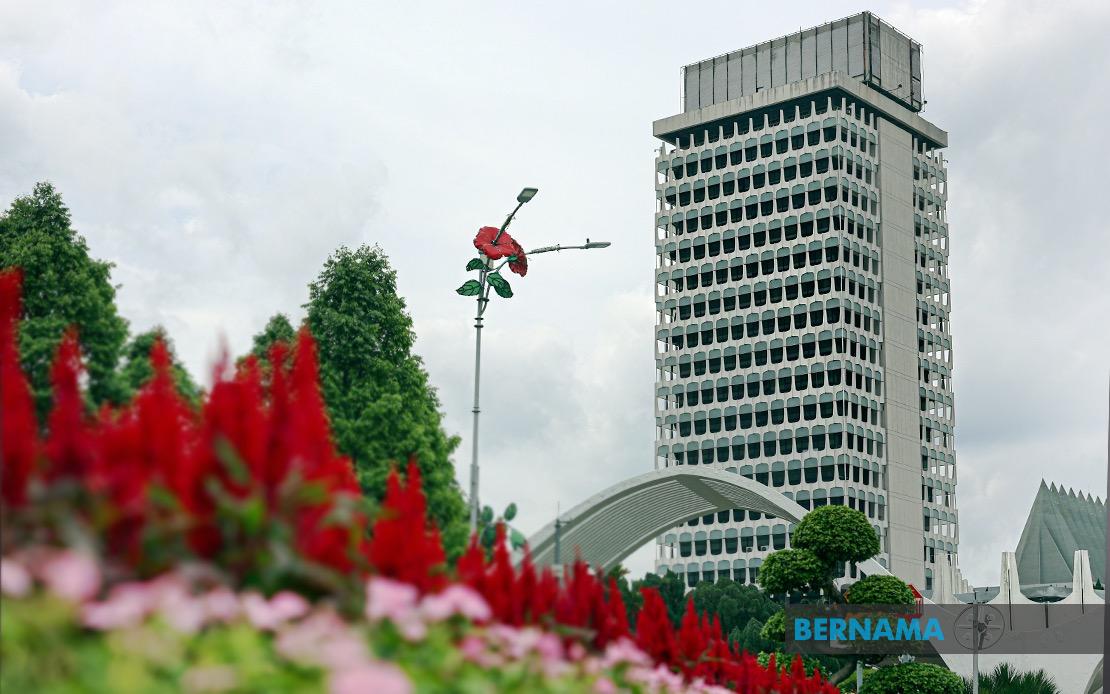
Lawmakers gathering in the Dewan Rakyat today will confront three pressing issues that reflect the complex interplay between infrastructure resilience, regional geopolitics, and domestic economic pressures facing Malaysia. The parliamentary session, which continues through July 16, has prioritised questions addressing mobile connectivity failures despite strong signal indicators, the fiscal impact of Middle Eastern instability on fuel subsidy commitments, and financial accessibility for self-employed citizens seeking homeownership.
The most immediate concern signals growing public frustration with telecommunications reliability. Datuk Anyi Ngau from the GPS party representing Baram will press the Communications Minister to detail the Malaysian Communications and Multimedia Commission's strategy for resolving a paradoxical problem: consumers experiencing complete loss of internet service while their mobile devices simultaneously display full signal strength bars. This phenomenon, commonly known as "no service despite full bars," represents a significant quality-of-service failure that undermines trust in Malaysia's digital infrastructure at precisely the moment when reliable connectivity has become essential for commerce, education, and essential services.
The question carries particular weight for Malaysian businesses and residents who depend on seamless mobile connectivity. The apparent contradiction between signal strength displays and actual service availability suggests either network congestion, tower management issues, or backend infrastructure bottlenecks that the MCMC must diagnose and remedy. For a nation positioning itself as a digital economy, such failures risk damaging investor confidence and hindering the rollout of services dependent on consistent mobile data access.
The second parliamentary focus addresses Malaysia's vulnerability to international energy market shocks. Mohd Syahir Che Sulaiman from Perikatan Nasional representing Bachok will interrogate the Finance Minister about government assessments of how the West Asia conflict influences fuel subsidy expenditures. This represents a critical juncture where Malaysia's commitment to keeping fuel prices affordable for citizens collides with regional instability that threatens global oil supply chains and commodity prices. Should the Middle Eastern situation escalate or persist, Malaysia's subsidy bill could balloon considerably, creating fiscal pressures that ripple through the entire budget allocation framework.
Understanding this tension requires recognising that Malaysia maintains subsidised fuel pricing as a social policy intended to shield lower and middle-income households from energy cost shocks. However, subsidies simultaneously create government budget vulnerabilities. When international crude prices spike due to geopolitical disruptions, the gap between regulated domestic prices and actual import costs widens dramatically, forcing the government to absorb ever-larger deficits. The parliamentarian's question directly challenges whether policymakers have adequately projected subsidy costs and whether the current fiscal deficit target for the year remains realistic if the West Asia situation deteriorates.
The implications extend beyond simple arithmetic. Rising subsidy obligations can crowd out government spending on education, healthcare, and infrastructure, creating long-term economic drag. Alternatively, the government might face pressure to gradually raise fuel prices, a politically sensitive move that immediately impacts transport costs, food prices, and the purchasing power of ordinary Malaysians. This parliamentary inquiry reflects legitimate concern that subsidy commitments made during a relatively stable period may become unsustainable if regional tensions persist or escalate.
A third concern addresses financial inclusion within Malaysia's growing informal workforce. Jamaludin Yahya from Perikatan Nasional in Pasir Salak will ask the Finance Minister about mechanisms enabling self-employed individuals, petty traders, street vendors, and gig economy workers to access home financing despite lacking the conventional salary documentation that traditional lenders typically require. This question acknowledges a structural problem within Malaysia's financial system: millions of productive workers operating outside formal employment cannot readily access mortgage financing because their income documentation does not conform to banking sector standards.
The challenge reflects Malaysia's evolving economic structure. As the gig economy expands and self-employment becomes increasingly prevalent, a banking system designed around fixed-salary verification becomes increasingly inadequate. Workers earning substantial incomes through freelance work, hawking, or informal trading find themselves locked out of the housing market despite demonstrable income because they cannot produce the salary slips that underwrite conventional lending decisions. Addressing this gap requires financial innovation—potentially through alternative documentation methods, income verification through tax records or digital platforms, or dedicated lending products designed for informal sector entrepreneurs.
Homeownership remains central to Malaysian social mobility and financial security. Excluding informal workers from mortgage access represents both a social equity issue and an economic inefficiency, as viable borrowers are denied credit while financial institutions forego profitable lending opportunities. The parliamentary question signals recognition that facilitating informal sector access to housing finance could simultaneously advance social objectives and stimulate residential construction activity.
Following these oral questions, parliament will proceed to second reading debate of two significant telecommunications bills: the Communications and Multimedia (Amendment) Bill 2026 and the Malaysian Communications and Multimedia Commission (Amendment) Bill 2026. These legislative measures, which underwent first reading on July 13, represent the government's response to evolving challenges within Malaysia's digital communications landscape. The specific provisions remain to be debated, but such amendments typically address regulatory gaps, technological changes, and enforcement mechanisms within the communications sector.
The sequencing of today's parliament agenda—addressing immediate connectivity failures before debating legislative reforms to the communications framework—suggests a deliberate effort to connect practical complaints with systemic solutions. By raising service quality questions immediately before debating amended legislation, parliamentarians signal that new regulatory tools must address the real-world failures already evident in current infrastructure performance.
These three parliamentary focuses—infrastructure reliability, subsidy sustainability amid geopolitical risk, and financial inclusion for informal workers—represent interconnected dimensions of Malaysia's development challenges. Each reflects tensions between immediate political pressures and long-term structural requirements. The Dewan Rakyat session provides an opportunity to examine whether government policies adequately address these multifaceted pressures, and whether upcoming legislative amendments and executive decisions will meaningfully improve outcomes for Malaysian citizens across digital access, economic security, and housing affordability.

