The Defence Ministry expects to receive the investigation report into a fatal grenade explosion at Hobart Camp in Gurun by the middle of this month, Defence Minister Datuk Seri Mohamed Khaled Nordin announced on Friday. The blast, which claimed the lives of two military personnel during a routine training exercise on June 16, has prompted authorities to undertake a comprehensive review of safety procedures and training methodologies across the armed forces.
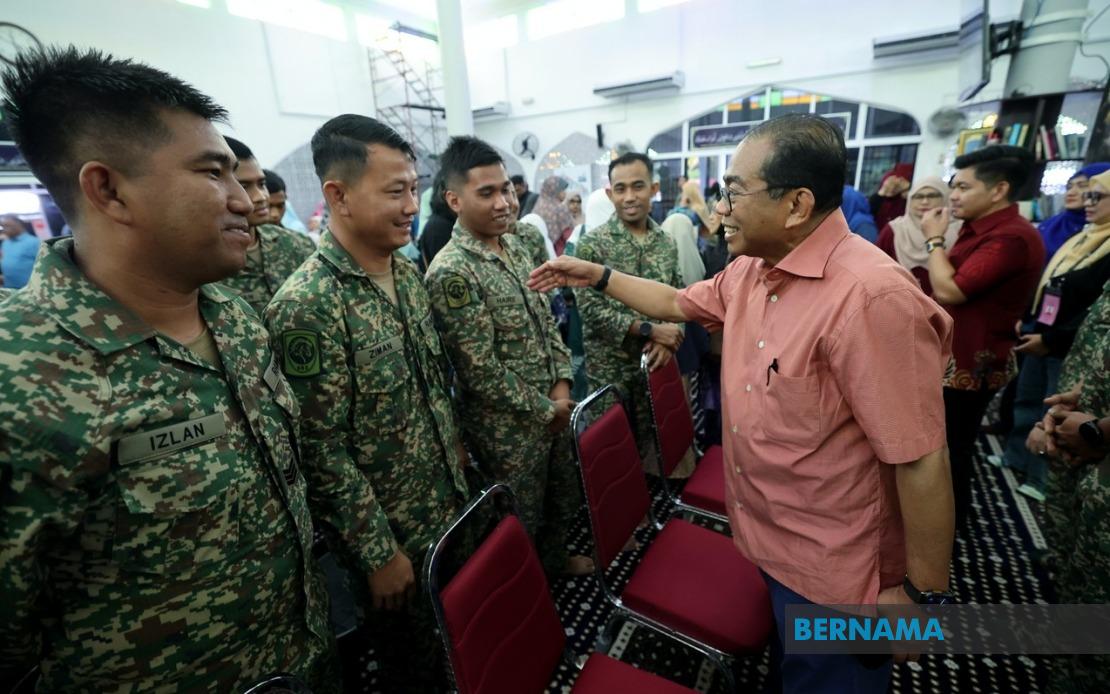
Mohamed Khaled made the disclosure while addressing media at Felda Air Tawar 2 in Kota Tinggi following his attendance at the 'Ilmu dan Muafakat' (PIKAT) programme. He emphasized that investigators are putting final touches to their findings before formal submission to the ministry, which will then determine appropriate follow-up measures. The timeline for delivery represents a significant milestone in what has become an increasingly scrutinized examination of training protocols at the Kedah facility.
The incident that triggered this investigation occurred at approximately 10.57 am on June 16 at the camp. Two service members—Corporal Norazmi Abu Bakar from the Sixth Battalion, Royal Malay Regiment (RAMD), and Private Siti Khadijah Sungip of the First Squadron, Royal Engineers Regiment (RAJD)—sustained critical injuries when an explosive device detonated during their training exercise. Both were immediately evacuated to Sultan Abdul Halim Hospital in Sungai Petani, but medical staff were unable to save them; they were pronounced dead en route to the facility.
The fatality of Siti Khadijah Sungip carried particular significance within Malaysia's military community, as female combat engineers remain a minority within the Royal Engineers Regiment. Her death raised questions about whether female service members receive equivalent safety briefings and protective equipment compared to their male counterparts, though the Defence Ministry has not yet addressed this aspect publicly.
The concerning pattern of incidents at the same location has intensified pressure on military leadership to implement systemic reforms. Just two weeks after the grenade explosion, on June 29, another accident occurred at Hobart Camp during a combat enhancement training (LPT) exercise. This second incident involved an unintended firearm discharge at 6.15 pm that injured two soldiers: Sergeant Mohamad Firdaus Che Shaharudin and Corporal Felix Franchis of the Fourth Battalion, Royal Ranger Regiment (4 RRD). Both personnel sustained leg injuries from shrapnel ejected by the weapon discharge.
The clustering of two separate accidents within a fortnight at the same training facility has raised eyebrows among military analysts and defence observers across Southeast Asia. Such incidents are exceptionally rare among the relatively well-trained Malaysian armed forces, suggesting potential lapses in supervision, equipment maintenance, or adherence to standard operating procedures. The Defence Ministry's decision to commission an investigation into training methodologies reflects the seriousness with which military leadership views these accidents.
Mohamed Khaled indicated that the Malaysian Army will undertake a broader assessment of its entire training framework in response to these incidents. The Defence Minister stressed the importance of identifying not merely the immediate causes of the June 16 explosion, but also any systemic vulnerabilities that might have contributed to the subsequent firearm discharge. This holistic approach suggests that authorities are considering whether the two incidents share common root causes, such as inadequate supervision, fatigue among training personnel, or insufficient emphasis on safety protocols.
The Defence Minister's statement that "we need to determine whether there were any other shortcomings or weaknesses" signals an openness to more extensive organizational changes beyond addressing the specific circumstances of each accident. For the Malaysian military, which has maintained a relatively strong safety record compared to regional counterparts, these incidents represent an anomaly that demands thorough examination and corrective action.
For Malaysian defence procurement and training policy, the implications extend beyond the immediate investigation. If the report identifies systemic issues, it may trigger upgrades to safety equipment, enhanced training regimens for instructors, or modifications to how live exercises are conducted at military facilities. Regional observers will be watching closely, as Malaysia's military training standards influence approaches across ASEAN.
The expected mid-July submission of the investigation report will mark a critical juncture in how the Defence Ministry responds. Mohamed Khaled's commitment to update the public on the findings once received suggests the government recognizes the need for transparency following military fatalities. The investigation's recommendations will likely shape training protocols not only at Hobart Camp but across the Malaysian Armed Forces' broader institutional framework.
Meanwhile, the families of the two deceased service members await answers about how such preventable accidents could occur at a facility that has hosted military training for decades. The investigation report, once completed, will provide both accountability and, authorities hope, actionable insights to prevent similar tragedies. Until then, training activities at Hobart Camp will remain under heightened scrutiny as the military determines whether additional safety measures should be implemented immediately rather than awaiting the formal investigation conclusions.

