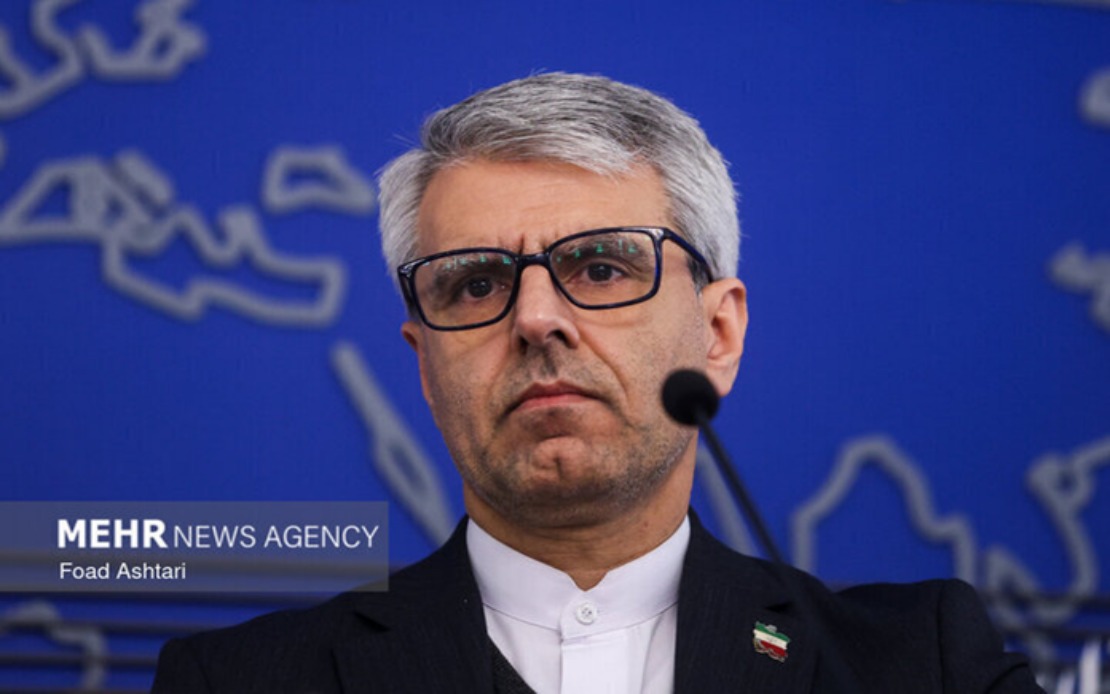
Iran and Oman have pledged to maintain regular consultations aimed at establishing a shared understanding on maritime safety in the Strait of Hormuz, according to an announcement by Iranian Foreign Ministry spokesman Esmaeil Baghaei on Sunday. The commitment emerged following a high-level visit to Muscat by Iranian Foreign Minister Abbas Araghchi, underscoring the Gulf neighbours' determination to address one of the world's most strategically critical waterways through dialogue rather than confrontation.
The diplomatic engagement represents a significant development amid escalating regional tensions. Earlier, Iran's Islamic Revolutionary Guard Corps declared its intention to restrict passage through the Strait until American interference in regional affairs ceases, announcing that vessels would be prohibited from transiting the vital chokepoint. This dramatic stance reflected broader frustrations over perceived external military involvement in Iranian affairs and regional conflicts.
Baghaei emphasised that consultations would proceed across three complementary tracks—political, legal, and technical—demonstrating the comprehensive approach both nations are adopting to tackle the multifaceted challenge of maintaining secure maritime corridors. By engaging across these dimensions, Tehran and Muscat signal their intent to address not merely the immediate security concerns but also the underlying institutional and regulatory frameworks governing passage through these waters.
The spokesman further articulated a significant principle: that the future governance structure of the Strait of Hormuz should emerge through bilateral engagement between Iran and Oman rather than through external diktat. This formulation carries particular weight given regional history and reflects Iran's broader insistence that major powers respect the agency of littoral states. The recent military operations by the United States and Israel targeting Iranian positions have intensified this narrative, with Tehran framing regional management as properly the domain of countries most directly affected by shipping disruptions.
Qatar's participation in these discussions adds another layer of diplomatic complexity. The Gulf state, which has cultivated relationships across regional divides and maintains dialogue channels with both Iranian and American officials, appears positioned as a facilitating power in these consultations. Doha's involvement suggests that broader mechanisms for managing Gulf security remain active, even as bilateral tensions between Tehran and Washington remain elevated. Qatar's mediation experience offers potential pathways for de-escalation that might extend beyond the immediate Strait negotiations.
The Strait of Hormuz holds extraordinary geopolitical significance for global energy markets and trade flows. Approximately one-fifth of the world's oil passes through this narrow waterway, making its security a matter of international concern extending far beyond the Persian Gulf region. Any sustained disruption could reverberate through energy prices and supply chains affecting economies worldwide, including Southeast Asian nations heavily dependent on Gulf petroleum imports. Malaysia, as a significant trader and energy consumer, has direct stakes in maintaining unobstructed maritime commerce through these waters.
The backdrop to current negotiations includes months of escalating military incidents and rhetoric. The IRGC's declaration regarding Strait closure, while partly tactical positioning in ongoing disputes, reflects genuine security concerns from Iran's perspective regarding American and Israeli military posturing. These tensions have created an imperative for regional actors to find de-escalatory mechanisms that preserve national security interests while preventing kinetic conflict from disrupting global commerce.
The focus on technical cooperation alongside political dialogue suggests both countries recognise that sustainable solutions require institutional architecture—coordinated maritime protocols, communication channels, and safety standards that reduce accident risk and miscalculation. Technical discussions offer potentially less politically fraught ground for negotiation compared to explicitly political demands, potentially allowing both parties to build trust incrementally.
Oman's particular role warrants consideration. As a sultanate that has historically maintained balanced relations across regional divides and avoided entanglement in major power rivalries, Oman possesses unique diplomatic standing. Muscat's willingness to host these consultations and work alongside Iran reflects both its security interests and its broader commitment to Gulf stability. The sultanate's track record as a mediator in regional disputes positions it well to shepherd discussions toward practical outcomes.
The involvement of three separate tracks—political, legal, and technical—also suggests recognition that singular-track negotiations often deadlock on fundamental disagreements. By compartmentalising discussions, Iran and Oman create space for incremental progress and agreement on specific technical measures that might build momentum toward broader understanding. Legal frameworks governing maritime safety and technical protocols for vessel communication represent achievable intermediate objectives that could yield tangible security improvements regardless of ultimate political settlements.
For Southeast Asian observers and policymakers, these developments carry direct implications. The region's dependence on secure Gulf trade routes and energy supplies means that escalation in the Strait would impose material costs on Malaysian and ASEAN economies. The commitment by Iran and Oman to pursue consultations therefore aligns with broader regional interests in maintaining open maritime corridors and stable global energy markets.
The diplomatic initiative also reflects broader patterns in regional conflict management where direct external intervention by major powers increasingly encounters resistance from regional actors asserting their own agency and decision-making autonomy. Iran's insistence that Strait governance emerge from consultations between immediately affected states challenges Washington and its allies to respect mechanisms that may differ from their preferred frameworks while still preserving legitimate security interests.
As these consultations proceed, international observers will assess whether dialogue between Tehran and Muscat can translate into concrete mechanisms that reduce maritime risks while addressing underlying security concerns. The success or failure of these efforts will significantly influence both regional stability and global energy market dynamics, making the outcome relevant far beyond the Gulf itself.

