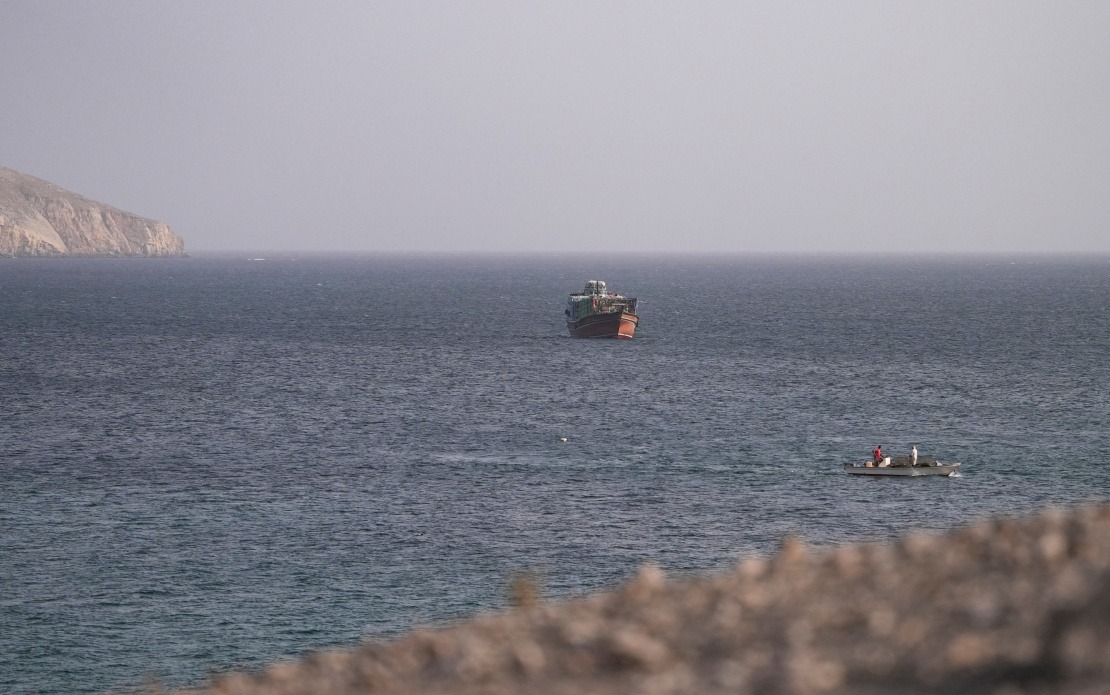
Iran and Oman are putting the finishing touches to a landmark agreement that would reshape maritime traffic through one of the world's most strategically vital waterways, according to comments from Iranian Deputy Foreign Minister Kazem Gharibabadi. The emerging accord represents a significant shift in how the Islamic Republic approaches control over shipping lanes it considers strategically important, marking a departure from policies maintained over the past six decades. Gharibabadi's statement this week signals that Tehran is willing to work with regional partners on transit arrangements even as it continues high-stakes negotiations with Washington on separate matters.
The proposed arrangement with Oman differs substantially from what Iran has pursued historically. Rather than fully reopening the Strait of Hormuz to unrestricted international passage, the new framework establishes designated shipping corridors that would route a substantial portion of commercial traffic through Iranian territorial waters. This represents a middle-ground approach—neither closing the waterway nor accepting the pre-existing international status quo. The distinction matters significantly for global energy markets, as the Strait of Hormuz channels roughly one-third of all seaborne traded oil and remains critical to energy security across Asia, including for major consumers such as Japan, South Korea, and China.
The central unresolved question involves whether Iran will levy transit fees on vessels using these new routes. Gharibabadi indicated that this decision rests with Iran's supreme authorities and will be influenced by American actions and the trajectory of broader nuclear negotiations. This framing suggests Tehran is potentially conditioning its maritime policy on progress in talks aimed at restoring the 2015 Joint Comprehensive Plan of Action, commonly known as the JCPOA. The withholding of a definitive stance on fees may represent a negotiating tool, allowing Iran flexibility as diplomatic discussions evolve.
Timings appear significant. Gharibabadi's comments suggest that a bilateral agreement with Washington could materialise within days, adding urgency to the Iran-Oman arrangement. The deputy minister confirmed that Iran has received communications from the United States indicating willingness to "return to its commitments," though he declined to elaborate on which specific obligations Washington might resume or the mechanism through which these messages were transmitted. This language typically refers to the United States rejoining or honouring provisions of the 2015 nuclear accord that the Trump administration abandoned in 2018.
For Southeast Asian nations, the implications extend beyond maritime protocol. The region's shipping companies and oil importers operate within the Strait of Hormuz's constraints and any new arrangements affect supply chains and energy costs. Malaysia, Vietnam, Thailand, and Singapore all depend on unimpeded passage through this chokepoint for trade and energy supplies. Any agreement that clarifies transit rules—even one requiring fees—may ultimately prove preferable to the ambiguity and occasional tensions that have characterised the past five years. Conversely, if negotiations between Tehran and Washington collapse, the situation could revert to greater volatility.
Oman's role deserves particular attention. As a sultanate with historically close ties to Iran and a tradition of regional mediation, Oman has positioned itself as a credible broker. Its willingness to negotiate new shipping protocols with Tehran, even amid broader international sanctions and tensions, reflects its strategic interest in regional stability and its diplomatic standing with both Western and Middle Eastern powers. The sultanate's involvement lends legitimacy to arrangements that might otherwise face scepticism from the United States and European allies.
The technical details of the agreement remain largely unpublished, but observers can infer certain contours. New designated lanes presumably allow commercial vessels to transit while providing Iran with enhanced oversight and data collection on maritime movements. The arrangement may also include provisions for emergency passage rights and dispute resolution mechanisms. Such specifics matter to shipping insurers, maritime law experts, and port operators across Asia who must understand their legal standing and obligations.
From Tehran's perspective, the agreement with Oman serves multiple purposes. It demonstrates that Iran can cooperate constructively on regional issues despite international isolation, it potentially generates revenue through transit arrangements, and it positions the Islamic Republic as a rational actor in maritime governance rather than an unpredictable threat. This image-building matters as Iran negotiates its return to global energy markets should nuclear talks succeed. The ability to point to orderly, cooperative arrangements suggests that Iran's economic reintegration need not destabilise Middle Eastern shipping.
The broader context involves Iran's nuclear programme and the sanctions architecture that has constrained its economy since 2018. Resolving the nuclear question would unlock Iranian oil exports, increase global supply, and potentially moderate energy prices—outcomes relevant to oil-importing nations throughout Asia. The Strait of Hormuz agreement thus sits within a larger diplomatic puzzle. If nuclear negotiations succeed, the Strait arrangement becomes a symbol of normalisation; if they fail, it may remain an isolated, precarious achievement.
Uncertainties persist. American political calculations could shift, particularly given domestic divisions over Iran policy. Iranian hardliners remain skeptical of engagement with the West. Regional actors—including Saudi Arabia and the United Arab Emirates—may have concerns about arrangements that enhance Iranian leverage over critical shipping lanes. These competing interests mean that even a finalised Iran-Oman agreement could face implementation challenges or future renegotiation.
For Malaysian policymakers and the regional business community, the situation warrants close monitoring. Clarity on Strait of Hormuz transit arrangements benefits maritime commerce and energy security. Whether an agreement includes fee structures, dispute mechanisms, or exemptions for particular nations affects operational planning for shipping lines and petroleum companies. Malaysia's position as a shipping hub and energy trader gives it a stake in these outcomes, even though it remains a distant party to the negotiations.

