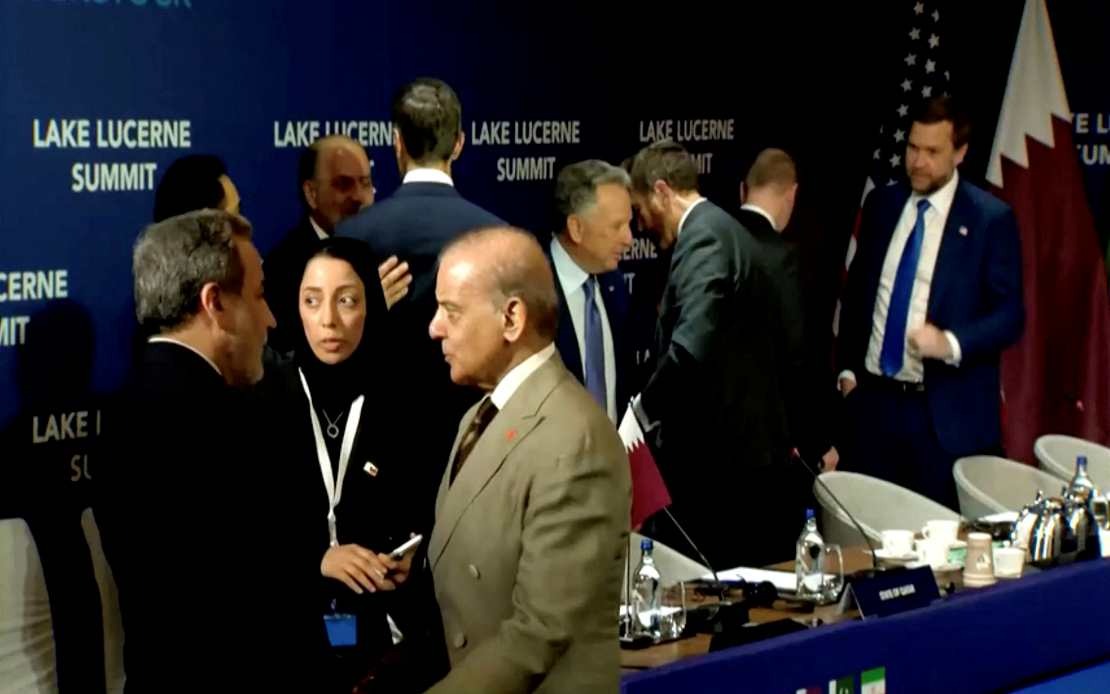
Diplomatic progress between Iran and the United States has accelerated following the conclusion of technical negotiations in Switzerland, where officials have finalised a draft arrangement addressing temporary sanctions relief on Iranian crude oil shipments. Hossein Ghorbanzadeh, a member of Iran's negotiating delegation, announced the development on Sunday, marking a significant step in implementing the broader Islamabad Memorandum of Understanding that the two nations agreed to in mid-June.
The draft agreement on oil sanctions represents a tangible outcome from discussions held at the Burgenstock resort, situated in the heart of Switzerland's diplomatic landscape. These talks operated within the framework of the Islamabad memorandum, an accord reached through Pakistani mediation that seeks to establish a comprehensive resolution to hostilities and restore normal diplomatic relations between Tehran and Washington. The negotiations expanded beyond headline issues to encompass specialised technical sessions designed to address the intricate details necessary for implementation, with these working groups successfully producing the oil sanctions relief text.
According to Ghorbanzadeh's statements to Iran's Tasnim news agency, the memorandum of understanding between Iran and the United States contains several critical conditions that must be satisfied before its broader provisions become operative. Most significantly, the remaining elements contained within the agreement will only take effect once a definitive final settlement is achieved regarding the ongoing conflict in Lebanon. This conditionality reflects the complex regional dynamics that have characterised Iran-US relations, with Lebanon representing a crucial flashpoint where multiple regional powers maintain strategic interests and proxies.
The broader Islamabad Memorandum of Understanding itself was formally announced on June 14 following intensive mediation efforts led by Pakistan, which positioned itself as a neutral broker capable of bridging the deep mistrust that has characterised Tehran-Washington relations over many years. The document comprises fourteen specific points designed to address multiple dimensions of bilateral hostility and regional instability. Following electronic signature by Iranian President Masoud Pezeshkian and US President Donald Trump on June 18, the memorandum entered into force, establishing the legal framework within which current negotiations proceed.
The comprehensive nature of the agreed framework extends well beyond the oil sanctions matter now under discussion. The memorandum's provisions encompass the cessation of military operations across all regional theatres where Iran and US-aligned forces confront each other, a commitment with obvious implications for Lebanon given the entrenchment of various armed groups throughout the country. Additionally, the agreement addresses maritime security through proposals to reopen the strategically vital Strait of Hormuz, a waterway through which roughly one-third of global seaborne petroleum traffic transits, making its status a matter of international economic significance. The framework also contemplates removal of the US naval blockade that has been imposed against Iranian shipping and territorial waters.
For Malaysian and Southeast Asian observers, the thawing of Iran-US tensions carries substantial ramifications for regional stability and commercial interests. The Strait of Hormuz remains critical infrastructure for global energy security, and any disruption to transit through these waters affects petroleum supplies and shipping insurance costs throughout Asia. Malaysia, as a significant maritime trading nation and energy importer, maintains direct interests in the normalisation of geopolitical conditions in the Persian Gulf region. Should the current diplomatic trajectory prove sustainable, reopening the strait could reduce energy costs and mitigate the risk premiums currently incorporated into Asian oil prices due to geopolitical uncertainty.
The temporary nature of the oil sanctions relief arrangement warrants careful examination, as it signals that more durable arrangements remain subject to negotiation and the satisfaction of preconditions. This staged approach to sanctions removal reflects a compromise position wherein the United States retains leverage over Iran's compliance with the broader settlement, while Iran achieves some immediate economic relief from the comprehensive sanctions regime that has constrained its petroleum export capacity for years. The distinction between temporary and permanent relief suggests that negotiations may extend over an extended timeline, with economic benefits potentially fluctuating as various implementation milestones are reached or missed.
Simultaneously, the Iranian delegation engaged in discussions with Qatari representatives concerning the release of Iranian assets that have been frozen abroad due to sanctions enforcement. Qatar's involvement underscores the regional diplomatic infrastructure that supports these negotiations, with the Gulf state traditionally maintaining closer ties to both Iran and the United States than many neighbouring countries. The recovery of frozen assets constitutes another important economic dimension of any sanctions relief agreement, potentially unlocking billions of dollars for Iranian use in domestic development and regional investments.
The technical complexity revealed by the extended discussions in Switzerland demonstrates that moving from political agreement to operational implementation requires extensive coordination across multiple functional domains. Teams addressing financial mechanisms, maritime protocols, sanctions administration procedures, and verification protocols must align their respective frameworks to create coherent cross-cutting arrangements. This granular technical work, though less visible than headline announcements, ultimately determines whether diplomatic agreements translate into genuine changes in behaviour and economic activity.
The coming weeks will prove critical for determining whether this draft arrangement progresses to final agreement and implementation. The explicit conditioning of broader memorandum provisions on achieving final settlement in Lebanon introduces a temporal element that could accelerate or impede overall progress, depending on developments in that conflict. For regional observers, the trajectory of these negotiations will provide important signals about the durability of broader geopolitical accommodation between the United States and Iran, with implications extending well beyond the immediate bilateral relationship to encompass Middle Eastern stability and international energy markets that affect Southeast Asian economies directly.
%22%2F%3E%3C%2Fpattern%3E%3C%2Fdefs%3E%3Crect%20width%3D%22100%25%22%20height%3D%22100%25%22%20fill%3D%22url(%23ph1dyt3g)%22%2F%3E%3Crect%20width%3D%22100%25%22%20height%3D%22100%25%22%20fill%3D%22url(%23ph1dyt3p)%22%2F%3E%3Ctext%20x%3D%2250%25%22%20y%3D%2250%25%22%20text-anchor%3D%22middle%22%20dominant-baseline%3D%22central%22%20fill%3D%22rgba(255%2C255%2C255%2C0.95)%22%20font-family%3D%22Georgia%2C%20'Times%20New%20Roman'%2C%20serif%22%20font-weight%3D%22700%22%20font-size%3D%22170%22%20letter-spacing%3D%22-0.02em%22%3ESelangor%3C%2Ftext%3E%3C%2Fsvg%3E)
%22%2F%3E%3C%2Fpattern%3E%3C%2Fdefs%3E%3Crect%20width%3D%22100%25%22%20height%3D%22100%25%22%20fill%3D%22url(%23ph3uv4ig)%22%2F%3E%3Crect%20width%3D%22100%25%22%20height%3D%22100%25%22%20fill%3D%22url(%23ph3uv4ip)%22%2F%3E%3Ctext%20x%3D%2250%25%22%20y%3D%2250%25%22%20text-anchor%3D%22middle%22%20dominant-baseline%3D%22central%22%20fill%3D%22rgba(255%2C255%2C255%2C0.95)%22%20font-family%3D%22Georgia%2C%20'Times%20New%20Roman'%2C%20serif%22%20font-weight%3D%22700%22%20font-size%3D%22272%22%20letter-spacing%3D%22-0.02em%22%3EQatar%3C%2Ftext%3E%3C%2Fsvg%3E)