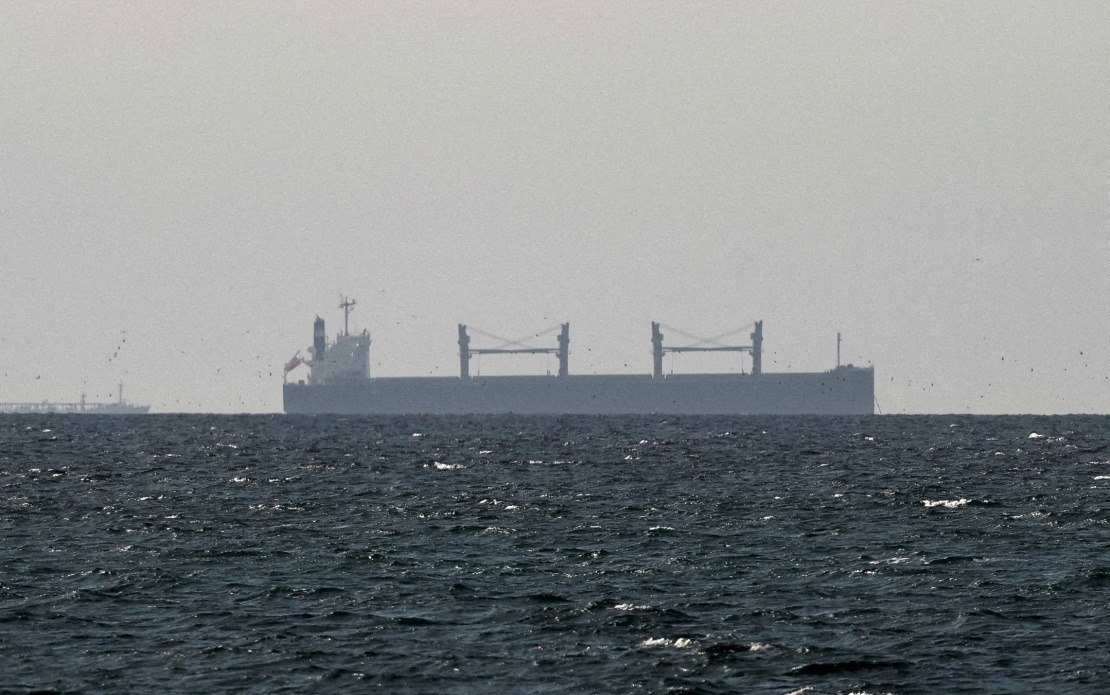
Iran's Islamic Revolutionary Guard Corps claimed Friday that two oil tankers were caught in explosions and engulfed in flames after navigating through a minefield in the southern section of the Strait of Hormuz, according to reports from state media. The IRGC Navy made the allegation through a formal statement distributed via Iran's Fars News Agency, though the military offered no identification of the vessels, details regarding potential casualties, or information about their nationality and ownership. Independent verification of the Iranian claim has not yet been established, leaving the incident shrouded in uncertainty as regional powers assess the situation.
According to the IRGC's account, the tankers had entered the contested waters earlier that day following encouragement from American intelligence services, though no evidence supporting this assertion has been presented. The Iranian military's framing of the incident reflects deepening mistrust between Tehran and Washington, with each side accusing the other of provocative actions in one of the world's most strategically important maritime corridors. This narrative construction serves both to justify Iran's military posture and to warn international shipping companies of the hazards they may face when transiting the region.
The IRGC's statement characterised the Strait of Hormuz as "extremely unsafe" and "completely closed," signalling a hardening of Iran's position regarding the waterway's status. The military authority declared that regional exports encompassing crude oil, natural gas, and chemical fertilisers would remain disrupted until the United States halted its military operations in the vicinity. This ultimatum represents a significant escalation in rhetoric and potentially in actual disruptions to commerce, as the Strait serves as the principal chokepoint for energy supplies destined for global markets and for the economic lifeblood of numerous nations dependent on reliable Middle Eastern exports.
Warnings issued by the IRGC to commercial shipping fleets carry substantial weight given the Iranian military's demonstrated capacity to disrupt maritime traffic. The Guard instructed merchant vessels to avoid entering the contested zone altogether, cautioning that any ships proceeding would face serious risks of physical damage and loss of personnel. Such warnings, whether backed by actual minelaying operations or primarily serving as deterrence, inevitably discourage commercial navigation and raise insurance costs for operators willing to take the risks involved in transiting these waters.
The Strait of Hormuz functions as an indispensable artery in the global energy infrastructure, linking the enclosed Persian Gulf with the broader Indian Ocean system via the Gulf of Oman and the Arabian Sea. Roughly one-fifth of the world's petroleum passes through this narrow passage, alongside substantial quantities of liquefied natural gas essential for heating and power generation across Asia, Europe, and beyond. Any sustained disruption threatens economic stability far beyond the Middle East, with direct implications for Malaysian energy security and the broader Southeast Asian region's economic performance.
Tensions encircling the Strait have markedly intensified amid an ongoing pattern of mutual accusations and military posturing between Washington and Tehran. The two adversaries have engaged in a cycle of attacks and counter-attacks that continues despite diplomatic efforts aimed at de-escalation. Last month, Pakistan brokered a memorandum of understanding ostensibly designed to terminate hostilities and establish conditions for a sustainable peace settlement, yet the recent incidents suggest that underlying hostilities persist and fundamental disagreements remain unresolved.
For Malaysia and other Southeast Asian economies, incidents in the Strait of Hormuz represent a critical vulnerability given regional dependence on stable energy imports. Approximately sixty percent of Southeast Asia's oil imports and a substantial portion of liquefied natural gas requirements transit this waterway. Disruptions would translate into elevated energy costs, potential supply shortages, and inflationary pressure on already-strained regional economies grappling with post-pandemic recovery challenges. Malaysian firms operating in petrochemical refining and energy-intensive manufacturing would face particular exposure to price volatility and supply uncertainty.
The credibility of the IRGC's specific claims remains contested, as independent maritime authorities, international shipping organisations, and intelligence services have not corroborated the account of mine strikes. However, the mere assertion that mines are present fundamentally alters shipping behaviour and affects insurance premiums, lending the claim significant practical impact regardless of its factual basis. Insurance underwriters and risk managers have begun adjusting their assessments of the corridor's safety profile, a response that itself generates economic friction.
The incident underscores the fragile nature of security in the Persian Gulf region and the vulnerability of global commerce to localised conflicts. For Malaysian policymakers and business leaders, the situation reinforces the strategic imperative of diversifying energy sources and seeking alternative maritime routes for energy supplies. Investments in regional liquefied natural gas infrastructure, renewable energy capacity, and efficiency improvements take on heightened importance in an environment where conventional maritime chokepoints face recurring disruption threats. The unfolding crisis demands sustained diplomatic attention from regional stakeholders and major powers to prevent further deterioration that could impose substantial costs across Southeast Asia's interconnected economies.

