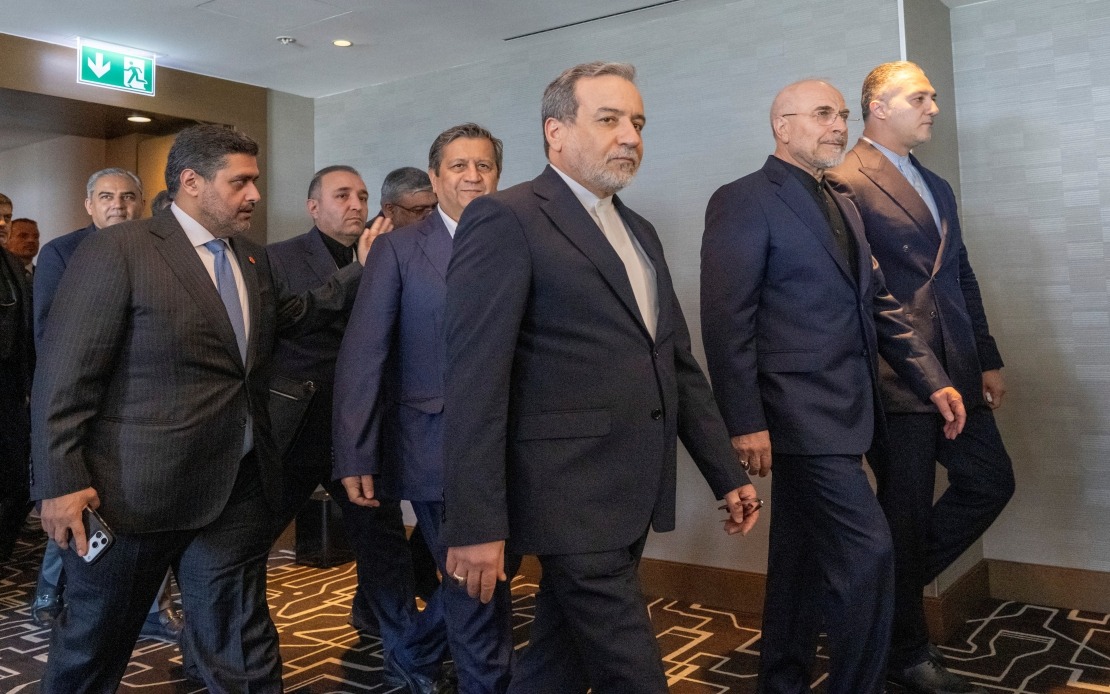
Iran's delegation headed home to Tehran on Monday after nearly 18 hours of arduous negotiations with the United States at the Lake Lucerne Summit in Burgenstock, Switzerland, signalling a potential thaw in one of the world's most contentious diplomatic standoffs. The Iranian contingent, led by Parliament Speaker and chief negotiator Mohammad Bagher Qalibaf, concluded talks that mediators from Qatar and Pakistan characterised as taking place in a markedly positive and constructive environment.
The extended duration of the discussions itself carries significance for regional observers and international analysts monitoring the trajectory of US-Iran relations. Eighteen consecutive hours of talks suggest both sides came prepared with detailed proposals and a willingness to engage substantively on the issues dividing them, rather than engaging in symbolic posturing. This level of intensity has been comparatively rare in recent years, reflecting perhaps a shift in the political calculations of both nations regarding the urgency of finding common ground.
Mediator nations Qatar and Pakistan, which have long maintained channels of communication with both Washington and Tehran, reported that the negotiations produced what they described as encouraging progress. This characterisation, while careful to avoid overstating the outcome, suggests that participants moved beyond merely airing grievances and positions. The fact that third-party mediators felt compelled to publicly describe the atmosphere and results in positive terms indicates that tangible developments occurred during the summit, likely including agreement on procedural frameworks for continued engagement.
Particularly noteworthy among the outcomes was the establishment of specific mechanisms designed to sustain momentum toward a comprehensive settlement. The creation of a high-level committee signals commitment from both delegations to maintaining serious dialogue at senior levels, ensuring that technical negotiations do not stall due to lack of political will or authority. Such oversight committees typically serve as forums for resolving deadlocked issues and clarifying the parameters within which technical teams operate.
The formation of technical working groups represents the kind of practical infrastructure needed for multilayered negotiations involving complex issues spanning nuclear arrangements, sanctions regimes, and broader security concerns. These groups allow specialists in different domains to work in parallel on distinct aspects of a potential agreement, increasing efficiency and reducing the likelihood that progress in one area becomes hostage to disputes elsewhere. For Southeast Asian nations with economic interests in the Gulf region, the establishment of such machinery suggests a more systematic approach to negotiations than has characterised recent years.
The 60-day roadmap toward a final agreement provides both sides with a concrete timeline and clear benchmarks for assessing progress. This structured approach contrasts with the open-ended negotiations that have characterised previous phases of US-Iran diplomacy, where the absence of firm deadlines sometimes led to indefinite stalling. The two-month window creates urgency while remaining sufficiently generous to allow for substantive work on contentious issues, suggesting negotiators anticipate needing at least several weeks to bridge remaining gaps.
Technical discussions are scheduled to resume later in the week, indicating that negotiators intend to capitalise on the momentum generated at the Lake Lucerne Summit without allowing extended gaps that might permit hardliners on either side to undermine the process. The continuation of technical talks at this pace represents a departure from the stop-start pattern that has often plagued these negotiations, where periods of intensive engagement have alternated with prolonged silences.
For Malaysia and other Southeast Asian economies dependent on stable Gulf oil supplies and secure shipping lanes through the Strait of Hormuz, progress in US-Iran negotiations carries practical implications beyond diplomatic significance. Regional stability affects energy security, insurance costs for maritime commerce, and the broader investment climate. A breakthrough reducing US-Iran tensions could ease geopolitical risk premiums affecting commodity prices and regional economic activity, though conversely, any collapse of these talks could trigger increased volatility.
The composition of Iran's delegation, notably with Mohammad Bagher Qalibaf in the lead negotiator role, suggests Tehran is investing considerable political capital in these discussions. The Parliament Speaker's participation elevates negotiations beyond the technical level, indicating Iran's legislative branch is directly engaged in charting policy direction on this critical national priority. This level of high-level involvement typically signals that delegations possess sufficient flexibility to explore compromises.
The role of mediators Qatar and Pakistan deserves emphasis, as their willingness to convene these discussions and provide public commentary on progress reflects their strategic interests in regional de-escalation. Qatar's extensive diplomatic networks and Pakistan's historical connections to both Iran and the United States position them uniquely to facilitate communication and propose compromise language acceptable to both parties. Their visibility in this process underscores how regional powers have become essential participants in managing major power relationships affecting the broader Middle East.
The next phase of technical discussions carries heightened importance, as negotiators must now translate the diplomatic goodwill demonstrated over 18 hours into concrete written agreements addressing specific concerns. The technical experts tasked with this work must convert political commitments into verifiable, implementable provisions that can withstand scrutiny from domestic constituencies on both sides, a task fraught with complexity and potential for misunderstanding.
Longer-term stability in the region hinges on whether the momentum evident in Switzerland can survive the grinding detail work ahead. Previous attempts at comprehensive agreements have faltered when technical implementation proved more contentious than broad political frameworks suggested. Success will require not just continued dialogue but genuine willingness from both sides to accept compromises that neither initially favoured but both can live with.