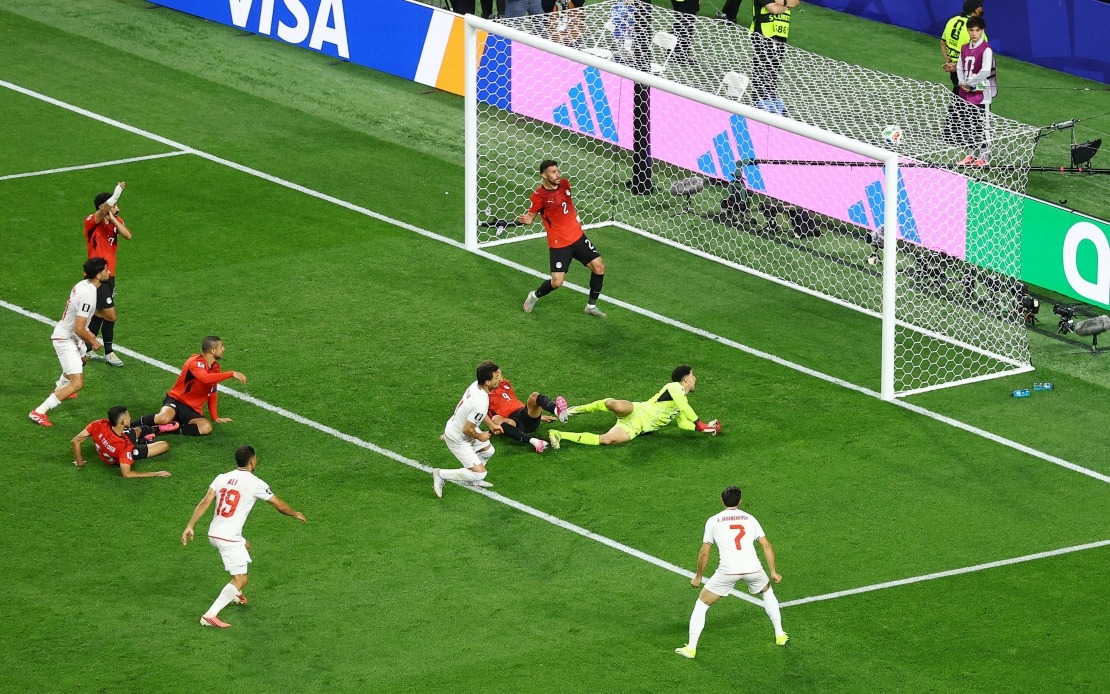
Iran's participation in the World Cup concluded on an acrimonious note Saturday as the team departed with formal accusations of discriminatory conduct and questionable sporting decisions. Following a 1-1 stalemate against Egypt that eliminated them from knockout stage contention, the Iranian Football Federation issued a statement criticizing what officials described as "unfair and unsportsmanlike" treatment throughout their tournament involvement, framing their exit within a broader narrative of hostility toward the delegation.
The disputed result against Egypt became emblematic of Iran's frustrations with the competition's management. A goal scored by Iran was nullified following an extended video assistant referee review, ultimately denying them a winning margin that might have altered their tournament trajectory. This decision crystallized concerns the Iranian delegation had aired repeatedly during the competition, as they navigated through a tournament already shadowed by geopolitical tensions between Iran and the United States.
Logistical complications marked Iran's entire World Cup experience and contributed substantially to their formal grievances. The team had originally been scheduled to establish their operational base in Arizona, a location within the continental United States. However, they relocated to Tijuana, Mexico, a significant displacement that required substantial readjustment of preparation routines and team logistics. This relocation, coupled with unspecified travel restrictions imposed on the Iranian delegation for matches held on American soil, created what officials characterized as an unfair competitive environment compared to other participating nations.
The geopolitical dimension underlying Iran's complaints cannot be separated from the broader context of United States-Iran relations, which have been strained for decades. The delegation's experience reflected the real-world consequences of diplomatic tensions manifesting within international sporting competitions. For Malaysian and Southeast Asian observers, this situation underscores how political conflicts between distant powers can disrupt the principle of equal treatment that should theoretically govern global sporting events. It raises uncomfortable questions about whether international tournaments can maintain political neutrality when hosted by nations involved in active disputes with participating countries.
In their departure statement, the Iranian Football Federation adopted a diplomatic tone while maintaining clear criticisms. Officials thanked international media organizations for documenting both their sporting performances and the procedural challenges they encountered, emphasizing that journalists had fulfilled their responsibility to report factually on circumstances extending beyond conventional athletic competition. This approach sought to ensure that record would be preserved regarding their claims of unequal treatment, potentially influencing international sporting governance discussions.
A particularly striking element of Iran's statement involved expressions of gratitude toward Mexico and the city of Tijuana specifically. The Iranian delegation praised Tijuana's residents for providing warm hospitality and genuine welcome, contrasting sharply with their characterization of their treatment in the United States. This distinction highlighted how their relocation, though disruptive, had resulted in what they experienced as more respectful treatment. The heartfelt appreciation for Mexican generosity suggested that Iran's primary grievances were directed specifically at restrictions and decisions in American territory, not at the tournament itself or the sport's governing bodies exclusively.
For Southeast Asian nations, Iran's experience offers instructive lessons about the vulnerability of smaller or politically isolated countries within major international competitions. Malaysia and other regional states have occasionally faced suspicions or restrictions in international forums, making Iran's documented experience relevant to understanding how diplomatic tensions can affect sporting participation. The case demonstrates that unfair treatment within competitions can stem from governmental actions rather than purely sporting governance failures.
The broader implications extend to future World Cup hosting arrangements and the responsibilities incumbent upon host nations to ensure equal treatment of all participating delegations. The tournament's credibility depends on impartial implementation of rules and fair provision of competitive conditions, regardless of political relationships between host countries and participating nations. When substantial barriers exist between host and participant nations, international sporting bodies face dilemmas in balancing security concerns against principles of fair competition.
Iran's formal complaints, documented through official statements, likely influence ongoing discussions within international football governance about hosting procedures and delegation protections. These concerns, whether substantively validated through formal investigation or not, have entered the public record and may inform future World Cup organizational standards. Other nations, particularly those with contentious international relationships, will monitor how seriously international sporting organizations address Iran's allegations when making decisions about future tournament hosting locations and security arrangements.
The immediate consequence for Iran was a premature tournament exit coinciding with a sense of injustice that extended beyond conventional athletic disappointment. This compounds the disappointment of failing to advance through group stages by incorporating grievances about systemic fairness. While Iran's performance ultimately determined their elimination, the framing of their departure emphasizes how external factors beyond player performance can define a tournament experience and shape international perceptions of sporting impartiality.

