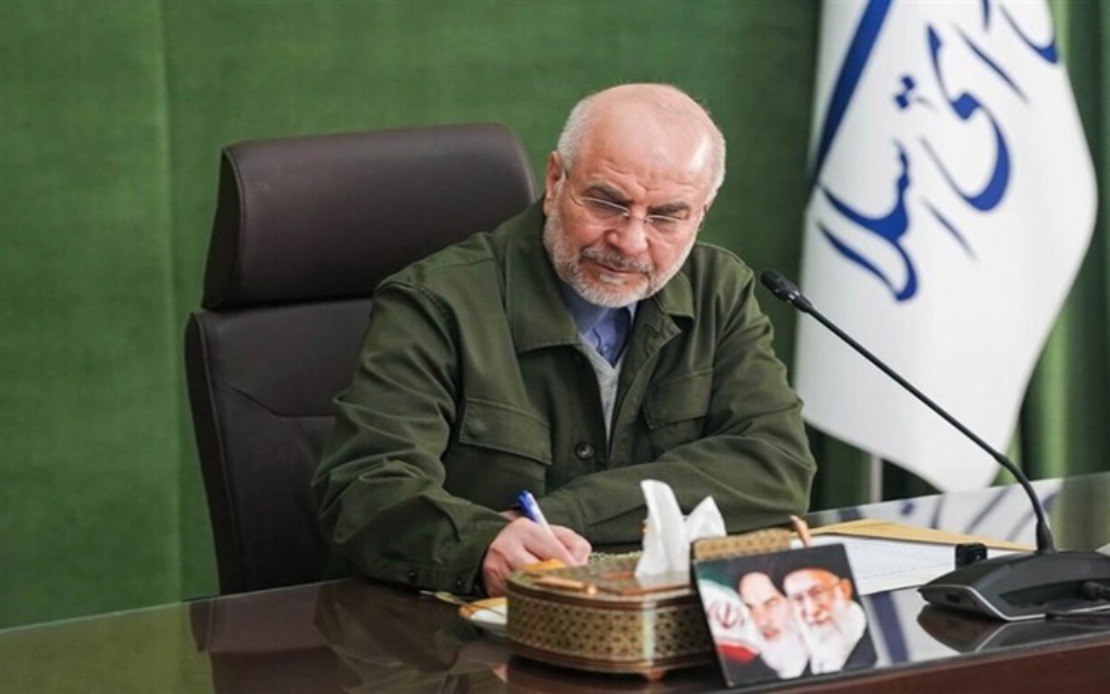
Iran's Parliament Speaker Mohammad Bagher Ghalibaf has forcefully disputed recent assertions from the United States that Iran's unfrozen assets would be channelled into purchasing American agricultural products. The rejection, posted on social media platform X on Thursday, represents another flashpoint in the contentious relationship between the two nations, even as diplomatic efforts ostensibly inch forward. Ghalibaf, who serves as a senior Iranian negotiator in the broader peace process, employed pointed rhetoric to rebut Washington's characterisations, suggesting that decades of mistrust rather than genuine mutual cooperation define the dynamic.
The dispute stems from recent pronouncements by senior American officials about how Iran might deploy its released assets. US Vice President JD Vance asserted on Monday that the unfrozen funds could logically flow toward purchases of American soybeans, corn, and wheat. President Donald Trump amplified this position the following day, indicating that the assets would be held within a US-controlled escrow arrangement and deployed exclusively for acquiring American food and medical supplies, encompassing grains such as corn and wheat alongside pharmaceutical products.
Iranian officials have presented a markedly different interpretation of what the released funds signify and how they should be deployed. Foreign Ministry spokesperson Esmaeil Baghaei stated on Tuesday that Iran would exercise complete discretion over the unfrozen assets, directing their use according to national priorities without external constraints. His remarks emphasised that purchasing decisions would rest entirely on practical considerations of price competitiveness and product quality rather than geopolitical preferences.
Central Bank Governor Abdolnaser Hemmati reinforced this position, clarifying that Iran harbours no legal or moral obligation to procure American agricultural commodities. However, he acknowledged that such purchases would not be categorically excluded if American goods proved economically rational choices in comparison with alternatives available from other trading partners.
The disagreement illuminates a fundamental misalignment in how Tehran and Washington perceive the implications of asset unfreezing. The American framing appears designed to ensure that released Iranian resources flow back into the American economy, thereby limiting their deployment for potentially destabilising regional activities. The Iranian perspective treats unfrozen assets as legitimate national resources to be allocated according to independent development priorities, regardless of origin country preferences.
These disputes occur within the framework of a broader reconciliation effort, the memorandum of understanding signed on June 18. This document commits both parties to sixty days of intensive negotiations aimed at forging a comprehensive accord on Iran's nuclear capabilities and the removal of international sanctions. The recent negotiation round occurred in Switzerland over the preceding weekend and Monday, suggesting technical discussions continue despite the rhetorical friction.
The disagreement over asset utilisation carries broader implications for Malaysia and Southeast Asian nations. As middling powers navigating great power competition, regional economies benefit when Iran and America manage their differences through negotiation rather than escalation. Unfrozen Iranian assets could affect global commodity markets, shipping routes through strategically crucial waterways, and investment patterns throughout Asia. Conversely, failure to resolve these disputes could trigger renewed sanctions cycles that disrupt regional trade and complicate supply chains.
Iran's pushback also reflects the asymmetry of leverage in these discussions. While American officials frame the asset release as a concession requiring reciprocal restraint from Tehran, Iranian negotiators view unfrozen resources as rightfully theirs, unjustly sequestered through prior sanctions. This conceptual gap suggests that merely releasing funds will not automatically translate into cooperative behaviour unless underlying disputes about fairness and legitimacy are addressed.
The memorandum framework establishes a critical window for both sides to bridge these divides. Success requires moving beyond competing claims about how assets should be deployed toward substantive agreements on nuclear constraints and verification mechanisms. The agricultural commodity dispute, while seemingly technical, actually reflects deeper disagreements about sovereignty, trust, and the nature of reciprocal obligations in international relations.
For regional observers, the trajectory of these negotiations matters considerably. A successful agreement could stabilise the Gulf, reduce military expenditures devoted to deterrence against Iranian capabilities, and open markets currently constrained by sanctions regimes. Conversely, a breakdown could prompt escalatory rhetoric and actions, potentially drawing in regional and global powers with interests throughout the Middle East and Asia. Malaysia's economic exposure to oil price volatility and shipping security makes these outcomes directly consequential.
The sixty-day negotiation window mentioned in the accord represents a genuine deadline rather than mere diplomatic language. Both sides appear invested in demonstrating progress, though the asset utilisation disagreement shows how readily technical details can become proxy battles over larger strategic concerns. The coming weeks will reveal whether negotiators can compartmentalise disagreements and advance on nuclear matters, or whether mutual recriminations over asset deployment presage broader negotiation failure.

