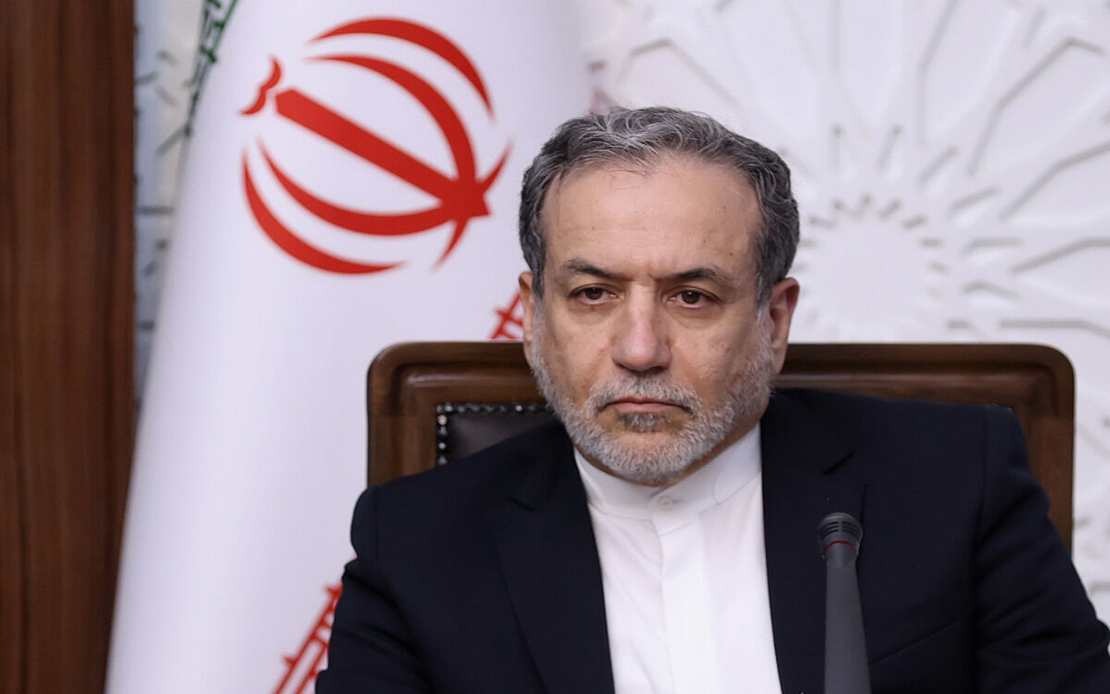
Iran is signalling a renewed commitment to diplomatic engagement on regional security, with Foreign Minister Abbas Araghchi conducting high-level telephone discussions on Tuesday with Pakistan's Army Chief, Field Marshal Asim Munir, and Qatar's Foreign Minister Mohammed bin Abdulrahman Al Thani. The conversations centred on mechanisms to reduce tensions across the Middle East and Gulf regions, according to Iran's Foreign Ministry, underscoring Tehran's continued preference for dialogue even as military incidents continue to punctuate the broader geopolitical landscape.
The timing of these outreach efforts carries particular significance against the backdrop of recent military escalations between the United States and Iran. In late February, American and Israeli forces launched a coordinated strike on Iranian territory, triggering Tehran's retaliatory strikes against both countries' assets scattered across the region. Last month, the cycle intensified when Washington resumed military operations, prompting fresh Iranian countermeasures targeting US military installations in allied Arab states. This pattern of tit-for-tat military action has created an environment where diplomatic channels are especially vital for preventing further deterioration.
During his engagement with Pakistan's Asim Munir, Araghchi emphasised the importance of sustained consultation and collaborative initiatives to strengthen peace and security across the region. Pakistan, given its geographic proximity to the Persian Gulf and its strategic relationships with multiple regional players, occupies a unique position as a potential honest broker in these disputes. The conversation reflects Tehran's recognition that Islamabad's military establishment wields considerable influence over regional stability and can play a constructive role in mediating between competing interests.
Simultaneously, the Iranian Foreign Minister's discussion with Qatar's Al Thani highlighted the critical role of diplomatic channels and coordinated mediation efforts. Al Thani stressed Qatar's unwavering support for diplomatic solutions and initiatives designed to de-escalate tensions while establishing a sustainable framework for regional peace. Qatar has consistently positioned itself as a neutral mediator in Gulf conflicts, leveraging its economic resources and diplomatic influence to foster dialogue between adversarial parties. The mention of Qatar's backing provides Tehran with external validation for its diplomatic approach and potentially signals willingness from Doha to intensify mediation efforts.
A significant development emerged from separate discussions between Iran and Oman, where the two nations announced a joint framework for establishing a temporary shipping corridor through the Strait of Hormuz and conducting collaborative mine-clearance operations in the waterway. This proposal represents a pragmatic approach to one of the region's most contentious issues—maritime navigation through one of the world's most critical chokepoints. The Strait of Hormuz, through which approximately one-third of global seaborne traded oil passes, has been a flashpoint for US-Iran tensions, with Washington consistently opposing any arrangement that might grant Iran formal management roles or the ability to impose fees on international shipping.
Qatar's Foreign Ministry indicated that Al Thani and Araghchi specifically discussed these Oman-Iran maritime initiatives, with Qatar emphasising its commitment to solutions guaranteeing unobstructed navigation rights and creating conditions for comprehensive regional peace agreements. This framing suggests Doha is positioning itself as supportive of pragmatic compromises that satisfy international maritime interests while acknowledging legitimate security concerns of regional states. For Malaysian readers and Southeast Asian observers, the implications are significant—disruptions to Hormuz shipping directly impact global oil supplies and energy costs, affecting economies across Asia.
The announcement of the Oman-Iran framework emerged from a Tehran meeting between Omani Foreign Minister Badr Albusaidi and Araghchi, demonstrating Muscat's active role in facilitating productive dialogue between Tehran and the international community. Oman has historically maintained diplomatic relations across sectarian and political divides, positioning itself as a neutral ground for negotiations. This latest initiative builds on that tradition, offering a concrete proposal for addressing one of the most sensitive security issues in the Gulf.
However, the diplomatic efforts face substantial headwinds from Washington. US President Donald Trump claimed that the American Navy had cleared or detonated all mines in international Hormuz waters, a characterisation that directly contradicts Iranian positions and raises questions about verification and sovereignty. More fundamentally, the United States maintains that the Strait constitutes an international waterway requiring open navigation without fees or Iranian involvement in traffic management. Washington's preference for alternative southern shipping routes near Oman, coupled with its continued economic sanctions regime against Iran, suggests the Biden-successor administration views the Iranian proposals with significant scepticism.
The earlier June memorandum of understanding signed by the US and Iran, facilitated by Pakistani and Qatari mediation, represented a tentative breakthrough that ultimately stalled over precisely these Strait of Hormuz implementation details. The unresolved disagreement over maritime management reflects deeper questions about Iranian sovereignty and international maritime law. For Malaysia and the broader region, these unresolved disputes create ongoing uncertainty affecting energy security, insurance costs, and supply chain stability across Southeast Asia.
The current diplomatic initiatives suggest three competing visions for Hormuz's future: Iran's preference for co-management and formal recognition; the international community's emphasis on unobstructed passage and Iranian non-interference; and the United States' insistence on maintaining strategic superiority through military presence and economic pressure. The involvement of Pakistan and Qatar as mediators indicates regional states recognise that lasting stability requires moving beyond military posturing toward negotiated settlements.
Pakistan's involvement proves particularly instructive for understanding regional dynamics. As a nation straddling South Asian and Middle Eastern concerns, Islamabad has incentives to prevent Persian Gulf instability from spreading. Similarly, Qatar's diplomatic activism reflects its interests in maintaining regional stability while preserving influence as a key player in Gulf affairs. These motivations explain why both countries continue engaging with Tehran despite American pressure and sanctions.
For Southeast Asian nations dependent on stable energy supplies and secure maritime passages, the Oman-Iran shipping corridor proposal and broader de-escalation discussions carry direct relevance. Any framework that reduces military incidents in the Strait of Hormuz benefits regional prosperity and stability. Conversely, further escalation could trigger energy shocks rippling across Asian economies and disrupt maritime commerce affecting Malaysia, Singapore, and other regional traders.
The diplomatic intensity evident in this week's discussions suggests both sides recognise that indefinite military cycling produces costs neither can sustain indefinitely. Whether these conversations translate into actionable agreements depends on whether the gap between Iran's demands for recognition and management rights versus international insistence on unfettered navigation can be bridged through creative compromises. The Oman-Iran framework represents such a potential compromise, suggesting space exists for negotiated solutions if political will prevails over military positioning.

