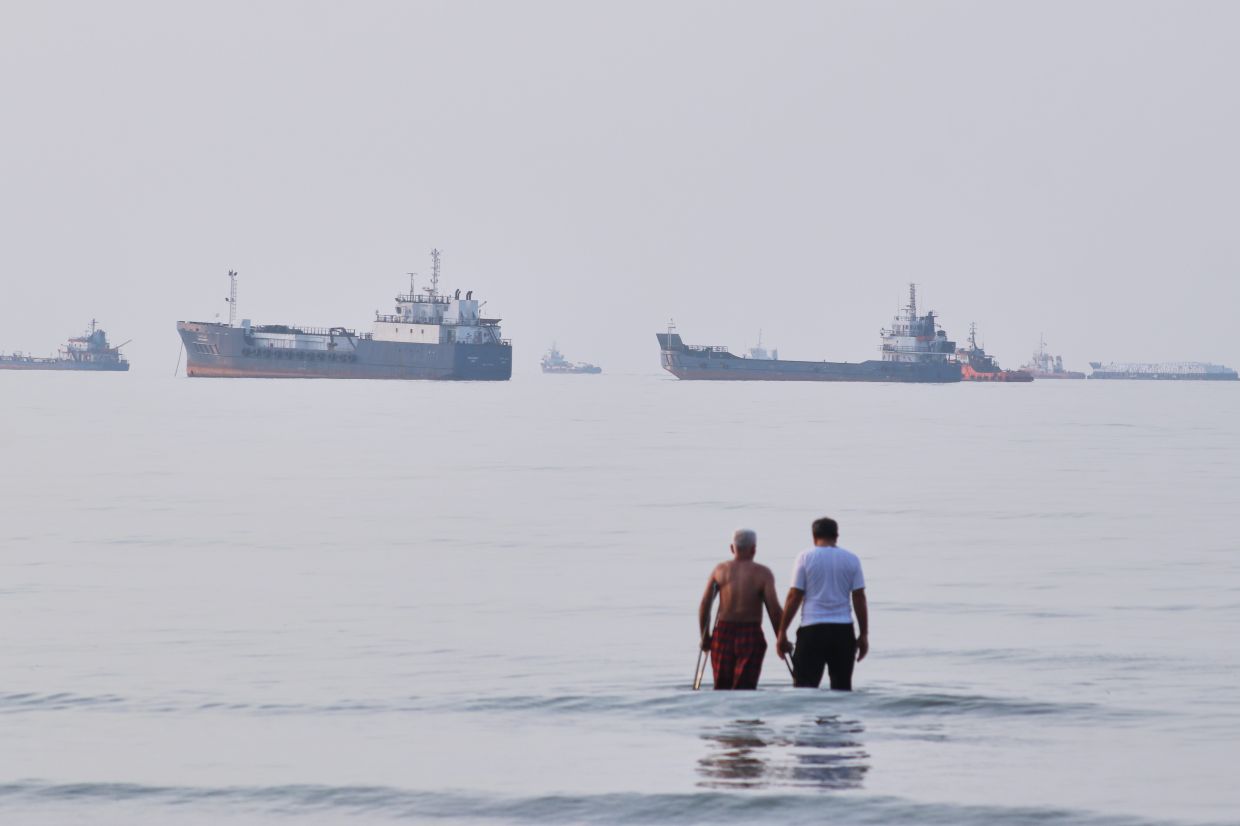
The diplomatic impasse between Washington and Tehran has deepened as Iran categorically rejected President Donald Trump's suggestion that peace negotiations could proceed independently of a ceasefire arrangement. Instead, Iranian authorities have stipulated that the United States must first satisfy a series of preconditions concerning maritime access through one of the world's most strategically vital waterways and the restoration of its international oil trading capacity. This hardening of Iran's negotiating position represents a significant obstacle to any near-term resolution of the conflict that has consumed the region since February.
Trump's mixed messaging has further clouded the diplomatic landscape. While publicly expressing a desire to maintain dialogue channels with Tehran, he simultaneously issued a provocative threat on Friday evening, vowing to unleash a thousand missiles against Iran should the country act upon purported threats against his life. The American president's social media declaration referenced assassination plots that Israeli intelligence reportedly brought to his attention, allegations allegedly voiced during funeral ceremonies for Supreme Leader Ayatollah Ali Khamenei. The combative rhetoric underscores how far removed the two sides remain from constructive engagement, with trust between Washington and Tehran having reached historic lows.
Iran's negotiating demands center on two interconnected issues affecting its economic survival. Tehran insists that Washington must honour previously agreed understandings regarding the Strait of Hormuz before meaningful talks can commence. Simultaneously, the Iranian government seeks the restoration of its ability to export oil freely on global markets—a capability severely constrained by American sanctions and the recent US Treasury decision to revoke waivers that had permitted Iranian petroleum sales. These demands reflect Tehran's assessment that its strategic leverage remains intact despite the military pressures it faces, and that Washington must make tangible concessions to unlock further negotiations.
The Trump administration, meanwhile, has escalated its own demands with considerable specificity. Senior officials told reporters on condition of anonymity that the United States is requiring Iran to issue a public declaration confirming that all navigation channels through the Strait of Hormuz remain open to international shipping and that Tehran pledges not to launch attacks against civilian vessels traversing these waters. American officials warned that failure to provide such assurances would trigger serious consequences for Iran, though details of those potential repercussions were left deliberately vague. This American approach reflects Washington's primary concern: the security of global energy supplies that transit through waters Iran can readily disrupt.
The current crisis represents the most severe test of the ceasefire that both sides had agreed to in mid-June. Over the past week, escalating military strikes have shattered the relative calm. The United States initiated several nights of airstrikes against Iranian targets, prompting Tehran to retaliate with strikes against American military installations across the region. These tit-for-tat strikes have already reverberated through global oil markets, pushing energy prices significantly higher and threatening the economic stability of oil-importing nations worldwide. The cycle of military action and counter-action has fundamentally undermined the ceasefire framework, with Trump explicitly declaring on Friday that he no longer considers the June agreement binding.
The Strait of Hormuz represents the core issue dividing the combatants. This crucial waterway channels approximately one-fifth of the world's petroleum supply, making it essential infrastructure for global energy security and economic stability. Iran's geography grants it significant leverage over this chokepoint, allowing Tehran to threaten shipping and thereby manipulate oil prices and global trade. The United States and its regional allies view Iranian threats to close or restrict the Strait as unacceptable challenges to international commerce and maritime freedom. Conversely, Iran has employed threats against Strait traffic as a deterrent against American and Israeli military action, viewing such leverage as necessary compensation for its military disadvantages.
Despite the apparent diplomatic breakdown, American officials indicated that technical discussions between the two countries are expected to continue at the expert level. This suggests that even as public positions harden, quiet channels remain open for potential compromise solutions. Iranian Foreign Minister Abbas Araghchi's Saturday travel to Oman signals Tehran's willingness to maintain diplomatic engagement, with Oman historically serving as an intermediary between Washington and Tehran. These Omani-based discussions could provide space for creative solutions that allow both sides to claim victory while moving away from further escalation.
The domestic political situation in Iran adds considerable complexity to negotiations. The nation is currently observing a three-day memorial ceremony for Ayatollah Khamenei, the second phase of mourning following extended funeral rites that attracted enormous crowds across Iran and Iraq. Khamenei's death in late February, following coordinated airstrikes by the United States and Israel, fundamentally altered Iran's political landscape and triggered the current conflict. His successor, his son Mojtaba Khamenei, has assumed the supreme leadership position, though his physical absence from public view since the February attacks has raised questions about his wounds and capacity to lead.
Mojtaba Khamenei's Saturday call for revenge against his father's killers demonstrates that Iran's new leadership remains focused on military resistance rather than compromise. In a post on social media platform X, he declared that avenging his father constitutes an undeniable duty, language that resonates powerfully within Iranian political culture and sets expectations for continued confrontation. The new supreme leader's apparent injuries from the same attack that killed his father, combined with his complete absence from public or video appearances, have generated speculation about the extent of his involvement in active decision-making regarding negotiations. Iranian officials have publicly acknowledged that Mojtaba sustained injuries but insist he remains engaged in directing the conflict, though independent verification of his condition and decision-making capacity remains impossible.
For Malaysia and the broader Southeast Asian region, the Iran-United States conflict carries direct economic implications. As a significant oil importer, Malaysia faces potential disruptions to its energy supplies should the Strait of Hormuz become subject to Iranian restrictions or sustained military confrontation. Elevated oil prices resulting from regional tensions increase production costs across manufacturing and transportation sectors that form the backbone of Southeast Asia's economies. Additionally, the broader geopolitical instability risks attracting regional extremist groups or destabilizing existing conflicts in neighbouring areas where Iranian and American influence intersect.
The fundamental challenge facing both Washington and Tehran appears to be the absence of mutual trust and the presence of incompatible maximalist demands. Iran insists on American concessions before negotiations can commence, while the United States demands Iranian assurances before lifting pressure. This reciprocal conditioning reflects deeper strategic competition over regional influence and the nature of any eventual settlement. Without significant movement on either side, the pattern of military escalation and diplomatic stalemate seems likely to persist, perpetuating uncertainty in global energy markets and regional security.

