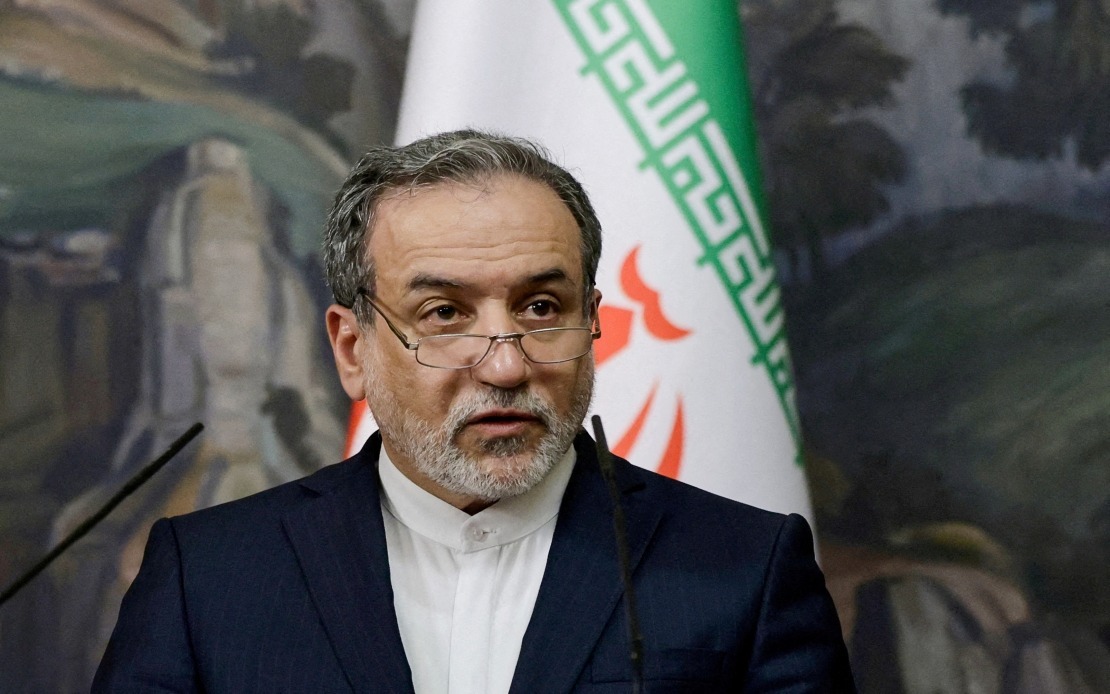
Speaking in Istanbul on August 15, Iran's Foreign Minister Abbas Araghchi delivered a carefully calibrated message about the state of Iran-US relations: diplomatic channels remain open through intermediaries, but this should not be mistaken for a resumption of substantive negotiations. The clarification underscores the profound tension between maintaining communication lines and avoiding the impression of capitulation that could damage Iran's standing domestically and regionally.
Araghchi's comments directly addressed persistent speculation about the future of the Islamabad memorandum, a June framework agreement brokered by Pakistan that had captured international attention. Reports in recent weeks had suggested that a 60-day period outlined in the document was set to expire and might require extension. The Iranian foreign minister firmly rejected this characterisation, reframing the entire nature of the accord in a way that reshapes the diplomatic timeline. According to his interpretation, the memorandum stipulated an end to military hostilities rather than a temporary ceasefire with built-in expiration, a distinction with significant legal and political ramifications.
The breakdown of the arrangement, as Araghchi explained it, stemmed from American actions that violated the memorandum's terms. Once the United States breached the accord, Iran argues, the fighting resumed as a direct consequence rather than as a separate escalation. This framing absolves Iran of responsibility for any renewal of conflict and positions the country as a victim of American aggression rather than as an aggressor itself. The narrative proves particularly important for domestic consumption, where Iranian hardliners have consistently questioned whether diplomatic engagement with Washington serves national interests.
Regarding the 60-day window referenced in the Islamabad memorandum, Araghchi articulated a starkly different purpose than commonly understood. Rather than establishing the duration of a ceasefire, he argued, the period was intended as an opportunity for negotiations to culminate in a comprehensive final agreement. This reinterpretation effectively extends Iran's theoretical timeframe for pursuing diplomatic solutions without conceding that any deadline has passed or that extension negotiations should now begin. The semantic precision reveals how deeply contested even the technical aspects of Iran-US diplomacy have become.
Continuing mediation by Qatar and Pakistan demonstrates that communication channels remain functional, yet Araghchi took pains to distinguish between message relay and genuine negotiation. Both countries maintain contact with Tehran and presumably with Washington, yet the foreign minister was explicit that these exchanges should not be characterised as talks in the formal sense. The distinction matters enormously in the context of Iranian domestic politics, where any appearance of returning to the negotiating table prematurely could invite criticism from conservative factions who view engagement with the United States as inherently disadvantageous to Iranian interests.
Parallel to the stalled US negotiations, Iran is pursuing separate technical discussions with Oman focused on establishing new maritime routes through the Strait of Hormuz. According to Araghchi, previous shipping lanes had become unusable, necessitating the design and implementation of alternative corridors. The talks involve technical experts from both countries alongside Iran's armed forces, suggesting that security considerations weigh heavily in these arrangements. Araghchi indicated that these discussions could reach conclusion in the near term, reflecting what appears to be genuine progress in at least this dimension of regional maritime diplomacy.
Crucially, Araghchi separated the Omani shipping lane discussions from any broader effort to reopen the Strait of Hormuz, a waterway of immense strategic importance through which roughly one-third of global sea-borne petroleum trade passes. He framed the maritime planning as purely technical in nature, distinct from geopolitical questions about access and freedom of navigation. Once Iran and Oman determine the new routes, Araghchi suggested, the question of whether the strait returns to full international usage depends on whether the United States fulfills additional unstated conditions that Iran has established.
The foreign minister's careful construction of Iran's diplomatic posture reflects the complex balancing act that Tehran must perform. On one hand, maintaining communication through mediators demonstrates flexibility and a willingness to explore diplomatic solutions, a posture that could appeal to regional and international observers seeking de-escalation. Conversely, insisting that no formal negotiations are imminent and that American violations have derailed previous arrangements allows Iran to avoid appearing weak or overeager to reconcile with Washington. This rhetorical strategy buys time while preserving optionality.
For Southeast Asian nations with interests in Middle Eastern stability and freedom of navigation through the Strait of Hormuz, Araghchi's statements carry particular weight. Any prolonged closure or restriction of the strait would disrupt energy supplies and trade flows affecting economies across the region, making the outcome of Iran-US relations a matter of direct concern. Malaysia and other ASEAN members depend heavily on stable sea lanes through the Persian Gulf, making developments in Iran-US relations indirectly consequential for regional economic security.
The broader implications of Iran's current diplomatic posture suggest a prolonged period of tension without immediate resolution. While intermediaries continue their quiet work, the fundamental disagreements that triggered the original breakdown remain unaddressed. Iran's insistence that the United States must meet additional unspecified conditions before the strait reopens suggests that Tehran is not prepared to return to negotiations on terms it views as disadvantageous. This stalemate, unless interrupted by significant shifts in either side's strategy, appears likely to persist for months to come, with consequences rippling throughout global energy markets and regional security calculations.
Looking ahead, the question becomes whether the technical maritime discussions with Oman might eventually serve as a stepping stone toward broader Iran-US negotiations, or whether they will remain compartmentalised discussions separate from larger geopolitical questions. Araghchi's determined separation of the two issues suggests that Iran currently views them as distinct matters that need not influence each other. However, the longer Iran-US tensions persist, the greater the pressure on regional mediators to find mechanisms that gradually build trust and create pathways back toward dialogue, even if formal negotiations remain officially off the table.

