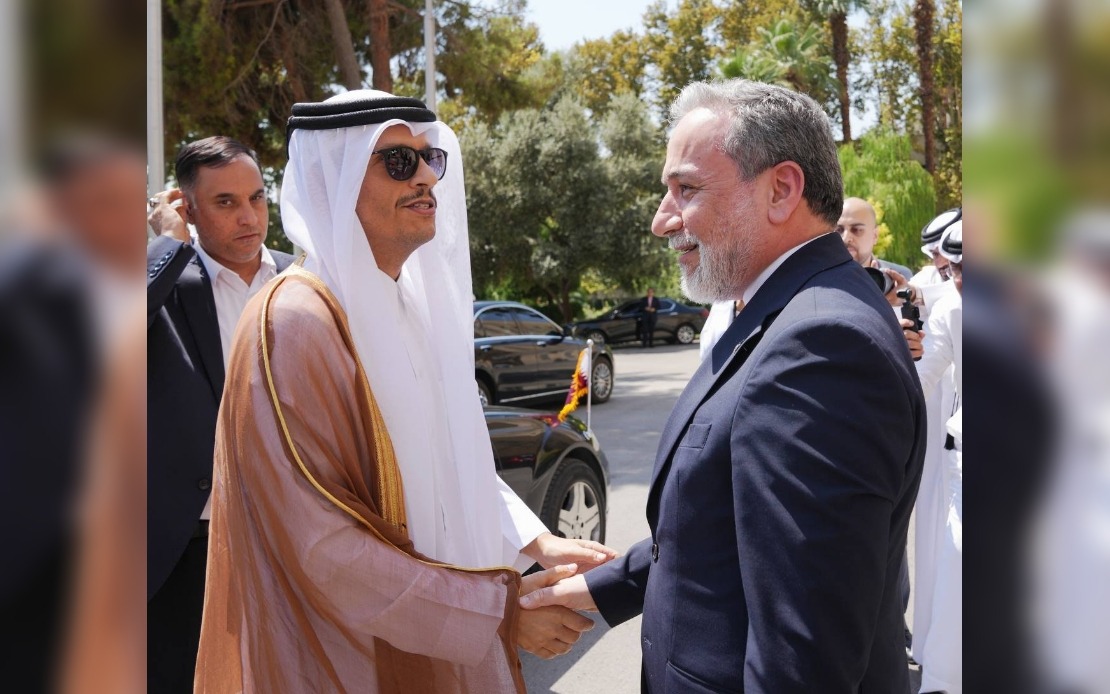
Iran has indicated fresh willingness to pursue diplomatic channels with the United States, with Foreign Minister Abbas Araghchi declaring that restoring dialogue between the two nations is far from an insurmountable obstacle. Speaking after high-level talks in Tehran on Friday, Araghchi struck a notably optimistic tone about the prospects for renewed engagement, even as broader regional tensions persist. His comments come amid intensive mediation efforts by Qatar, which continues to position itself as a key diplomatic intermediary in defusing the volatile relationship between Washington and Tehran.
The Iranian foreign minister's remarks carry particular significance given the deteriorating state of relations between Iran and the US over recent months. Araghchi's statement that putting diplomacy back on track "isn't impossible" represents a notable shift in rhetoric, suggesting that Tehran may be reconsidering its approach to negotiations. However, his comments also came with specific conditions, signalling that Iran will not simply return to the negotiating table without substantive changes in how the US conducts its dealings with the Islamic Republic. The emphasis placed on these preconditions indicates that any diplomatic breakthrough will require careful calibration from both sides.
Central to Araghchi's position is his assertion that American pressure tactics have proven ineffective and counterproductive in advancing mutual interests. He articulated a clear message to Washington: coercive measures will not bend Iran's resolve, and instead risk deepening the impasse. This reflects a broader Iranian strategy of demonstrating resolve while leaving room for dialogue, a delicate balance that Tehran has attempted to maintain throughout its protracted confrontation with the United States. By publicly stating this position, Araghchi appears to be sending both a warning and an invitation to the American administration.
The Iranian foreign minister outlined a framework for constructive engagement that emphasizes mutual respect and acknowledgement of legitimate rights. Araghchi called on the US to approach negotiations with a commitment to building genuine trust rather than pursuing confrontational posturing. He further insisted that Washington must uphold any commitments made during diplomatic discussions, an implicit reference to past disagreements over the implementation of international agreements. These demands suggest that Iranian leadership views previous negotiations as having been marked by bad faith or inconsistent application of agreed terms.
Qatar's diplomatic shuttle appears to have gained momentum, with Sheikh Mohammed bin Abdulrahman bin Jassim Al Thani's visit to Tehran representing an important phase in mediation efforts. The Qatari foreign minister, who serves as both head of government and foreign minister, held extensive discussions with Iran's most senior officials during his Thursday visit. These talks encompassed meetings with President Masoud Pezeshkian, Parliament Speaker Mohammad Bagher Qalibaf, and Security Council Secretary Mohsen Rezaei, demonstrating the comprehensive nature of Qatar's engagement with Tehran's leadership structure.
The agenda discussed during the Qatari mediation extended beyond traditional diplomatic messaging to include concrete technical proposals designed to reduce tensions in strategically critical areas. Discussions focused on creating conditions favourable to resumed dialogue between Iran and the US, while also addressing practical maritime concerns. A particularly notable component involved proposals for establishing a temporary joint navigational corridor through the Strait of Hormuz, one of the world's most critical waterways through which a substantial portion of global oil supplies pass. This initiative reflects recognition that even amid political tensions, both sides have mutual economic interests in maintaining stability in crucial shipping lanes.
Mine-clearing efforts in the region also featured prominently in the Qatari-mediated discussions, highlighting the practical security challenges that persist despite broader political disagreements. The Strait of Hormuz remains a potential flashpoint where military miscalculation could easily escalate into open conflict, making technical cooperation on such matters increasingly urgent. By proposing collaborative approaches to navigation safety and mine removal, mediators appear to be attempting to establish working relationships that could eventually expand into broader political negotiations.
The timing of Sheikh Mohammed's visit assumes added weight given the broader regional context. This represented his first official journey to Tehran since escalated military operations commenced in late February, when coordinated US and Israeli strikes targeted Iranian positions. The decision to resume high-level visits signals both renewed diplomatic engagement and a degree of diplomatic normalization following a period of heightened military tensions. For Qatar, maintaining open channels with all major regional actors remains essential to its role as a neutral mediator and diplomatic hub.
For Malaysian and Southeast Asian observers, the potential normalisation of Iran-US relations carries significant implications. The stability of Middle Eastern politics directly influences regional security architecture, energy markets, and maritime security throughout the Indian Ocean and beyond. A successful de-escalation between Iran and the US could reshape regional alignments and potentially ease tensions in the broader Indo-Pacific region where major powers maintain competing interests. Conversely, continued deterioration could trigger military escalations with unpredictable spillover effects affecting global commerce and security.
Araghchi's carefully calibrated optimism appears designed to test American receptiveness without appearing desperate for engagement. By insisting that the initiative must come from Washington while simultaneously opening diplomatic doors, Iran seeks to maintain the upper hand in negotiations. The emphasis on respect, trust-building, and commitment to agreements suggests that Tehran views previous diplomatic failures as rooted in structural mistrust and American unwillingness to negotiate in good faith. This framing allows Iranian leadership to justify participation in renewed talks to domestic constituencies who might otherwise oppose engagement.
Qatar's ongoing mediation reflects its broader strategic interests in maintaining stability and influence across the Gulf region. As a small state surrounded by larger neighbours, Qatar has invested heavily in developing sophisticated diplomatic capabilities and cultivating relationships with major global powers. Its success in maintaining communication channels between antagonistic parties enhances its value to international stakeholders and bolsters its position within regional geopolitics. The willingness of both Iran and the US to engage with Qatari mediation suggests that both parties recognize the utility of having a trusted intermediary facilitate discussions.
The path forward remains uncertain, dependent largely on whether Washington responds constructively to Iranian signals. American willingness to engage would require shifting its approach from pressure-based strategies to negotiation-focused diplomacy, a significant policy reorientation. Conversely, Iranian commitment to sustained dialogue would need demonstration through concrete actions and consistency in messaging. The role of Qatar in sustaining momentum and preventing backsliding by either party will prove crucial in determining whether current diplomatic openings translate into substantive progress toward reducing regional tensions and addressing longstanding grievances between Tehran and Washington.

