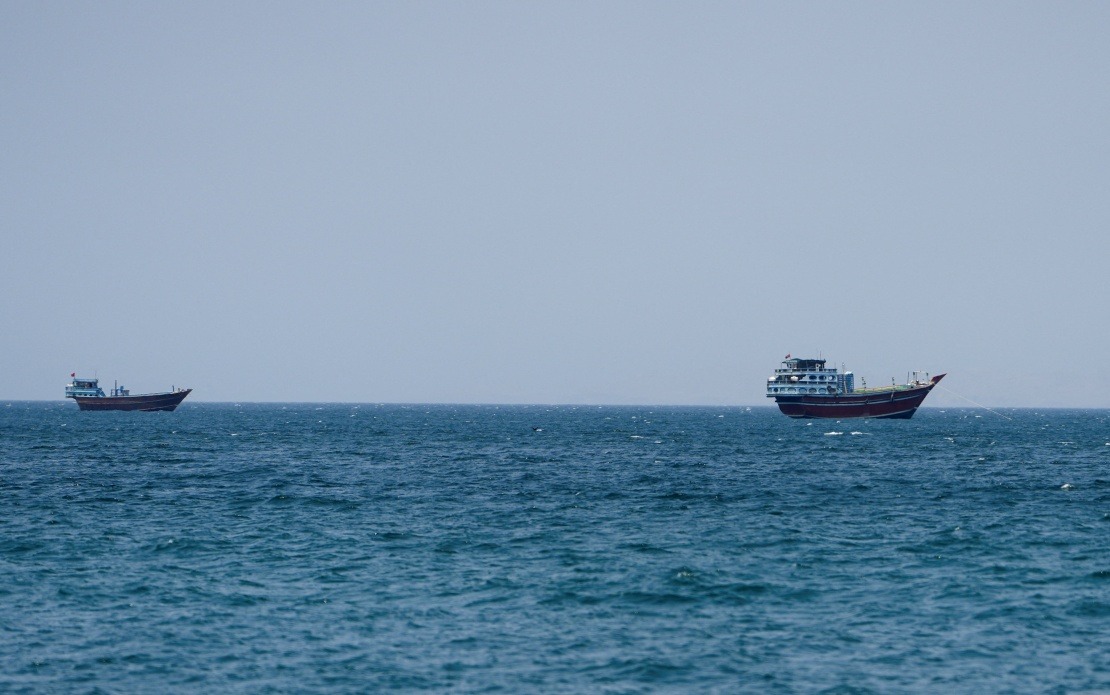
Iran's newly appointed head of the Supreme National Security Council has placed strict conditions on the reopening of the Strait of Hormuz, one of the world's most critical shipping chokepoints, signalling that Tehran will maintain its restrictions until Washington fundamentally alters its regional posture. Mohsen Rezaei, during a meeting with China's ambassador to Tehran, Zong Piyu, underscored that the strategic waterway will remain constrained as long as the United States refuses to shift its approach toward Iran and its regional partners.
The Strait of Hormuz has been partially restricted by Iran since March following what Tehran characterizes as American and Israeli military aggression against the country. Control over this waterway is enormously consequential for global energy markets—roughly one-third of seaborne petroleum trade passes through its narrow passages, making any prolonged disruption capable of causing severe international economic repercussions. The strait's geography, squeezed between Iran and Oman at its narrowest point, gives Tehran substantial leverage over international shipping and energy supplies.
Rezaei articulated three core prerequisites for full reopening: the United States must cease its military and political support for operations affecting Iran, terminate what he describes as the war being waged against Iranian regional allies, and release Iranian financial assets that have been frozen under international sanctions regimes. These demands reflect Tehran's broader grievances regarding American foreign policy in the Middle East and underscore how deeply entrenched the dispute between the two nations has become. The security chief's public articulation of these conditions to a major international player like China indicates that Iran is not negotiating these points privately but rather staking out a clear public position.
Beyond the specific demands delivered to Washington, Rezaei revealed that Iranian officials have communicated additional unstated conditions through intermediary nations that have engaged in back-channel discussions with American counterparts over recent weeks. The existence of these hidden conditions adds another layer of complexity to any potential negotiations, suggesting that the immediate demands constitute only the visible portion of Iran's negotiating position. This approach creates uncertainty for international policymakers attempting to understand precisely what threshold the United States would need to cross to achieve normalization of shipping through the strait.
An important aspect of Rezaei's positioning concerns Oman's role in the equation. Iran emphasized that even if it were to reach a separate agreement with Oman—the other nation bordering the strait—regarding safe transit corridors, such an arrangement would hold no bearing on Iran's ultimate decision to maintain or lift its restrictions. This statement effectively neutralizes any potential diplomatic pathway that might have attempted to circumvent Iran's authority by securing Omani cooperation. It reinforces that Iran views control over the strait as a sovereign right linked to its broader security interests rather than a technical shipping issue to be resolved between neighboring states.
China's position in this dispute carries particular significance for regional dynamics and for Malaysia's broader geopolitical environment. Rezaei explicitly commended Beijing for opposing what Iran characterized as an illegal and anti-Iranian resolution at the UN Security Council during the March escalation. This diplomatic alignment highlights how the Iran-US confrontation increasingly divides major powers along recognizable lines, with China positioning itself as a counterweight to American influence in Middle Eastern affairs. For Southeast Asian nations like Malaysia, which maintain economic relationships with both the United States and China while depending on Strait of Hormuz shipping, this polarization creates difficult navigational challenges.
The emphasis placed on Iran-China strategic partnership—specifically their shared membership in organizations like the Shanghai Cooperation Organisation and BRICS—suggests Tehran is deliberately strengthening alignments with powers outside the Western-led international order. These partnerships provide Iran with economic alternatives and diplomatic support as it faces Western sanctions and pressure. For countries in Southeast Asia seeking to maintain pragmatic relationships across geopolitical divides, Iran's deepening ties with China and other non-Western powers represent an evolving regional architecture that may affect future trade and security arrangements.
The timing of these statements through Rezaei, in his newly appointed capacity, signals a potential hardening of Iran's negotiating stance on the Strait of Hormuz issue. Rather than suggesting movement toward compromise, the public reiteration that conditions remain unchanged and will not shift until American behavior changes fundamentally suggests that Iran is preparing for extended confrontation. This posture could indicate confidence in Iran's ability to sustain the current restrictions despite their economic costs, or it could represent a negotiating tactic designed to signal resolve to domestic audiences while leaving room for quiet discussions with intermediaries.
For Malaysian businesses and policymakers, the implications are substantial and multifaceted. Malaysia's significant dependence on shipping through the Strait of Hormuz for both petroleum imports and general trade means that prolonged restrictions directly affect economic costs and supply chain stability. Insurance premiums for vessels transiting the region remain elevated, transportation costs climb, and the risk premium on Middle Eastern oil imports increases. These expenses ultimately flow through to Malaysian consumers and manufacturers. The unresolved nature of the Iran-US dispute, with Iran now publicly conditioning resolution on major American policy reversals, suggests the situation could persist at current tension levels for the foreseeable future.
The broader implication extends to Southeast Asia's position in an increasingly multipolar world. The Strait of Hormuz crisis exemplifies how regional disputes in distant parts of the globe can fundamentally affect Asian economies that depend on open international waterways and predictable trade flows. Malaysia and its neighbors must carefully calibrate their relationships with all parties while advocating for de-escalation and the maintenance of freedom of navigation. The region's prosperity depends on the ability of major powers to manage their differences without allowing regional disputes to spiral into broader conflicts that could disrupt vital chokepoints.

