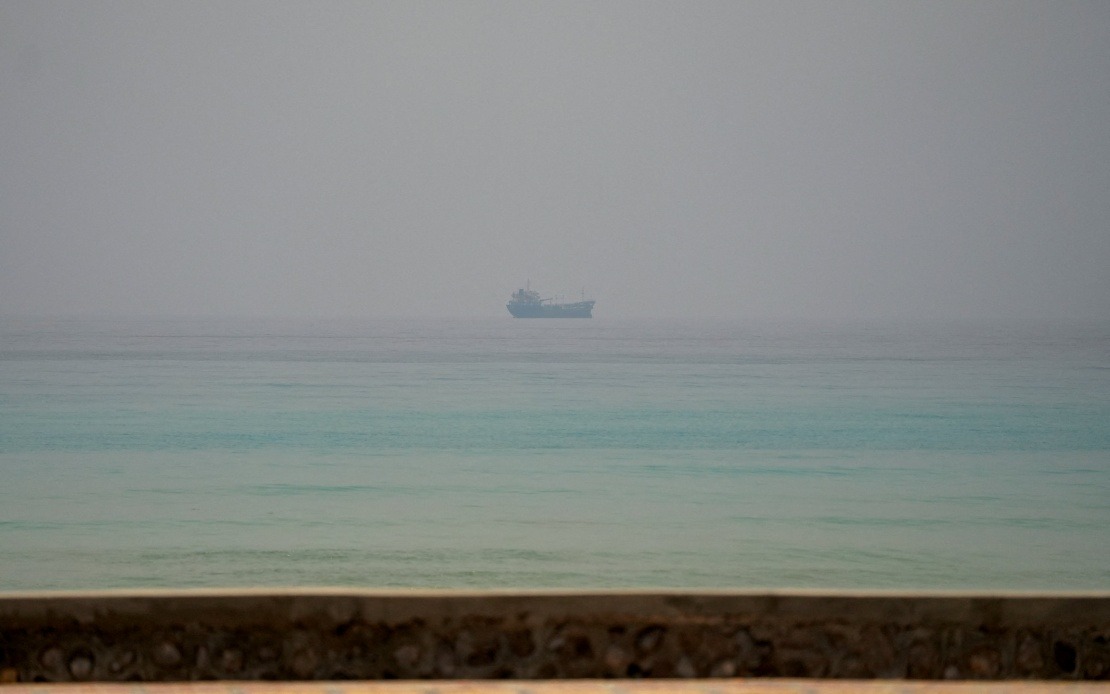
Iran's Parliament Speaker Mohammad Bagher Qalibaf struck a defiant tone on Thursday, insisting that access to the Strait of Hormuz would be determined by Tehran alone rather than through American coercion. His statement came in response to a fresh round of US military operations that targeted locations across southern and southeastern Iranian territory, marking an intensification of broader tensions between Washington and Tehran over control of one of the world's most strategically important maritime corridors.
Qalibaf used social media to broadcast Iran's hardline position, posting that "the US has yet to learn that bullying and breaking promises no longer come without cost." The message carried unmistakable defiance, with the senior Iranian official warning directly that any American strike would invite Iranian retaliation. This rhetoric reflects the escalating cycle of military action and counter-action that has characterised US-Iran relations in the Gulf region, where both powers maintain significant military assets and competing strategic interests.
The timing of Qalibaf's remarks underscores the tensions triggered by the latest American military operation. The US Central Command acknowledged that American forces had launched additional strikes specifically designed to degrade Iran's capacity to threaten maritime passage through the Strait of Hormuz. This operational objective highlights Washington's concern about Iranian capabilities to disrupt shipping traffic, a prospect that carries profound implications for global energy markets and international commerce.
The Strait of Hormuz remains one of the world's critical chokepoints for petroleum transport. Approximately one-third of seaborne traded oil passes through these narrow waters between Iran and Oman, making control or disruption of shipping routes a matter of acute concern for energy-dependent nations across Asia, Europe, and beyond. Malaysia, as a major oil importer and maritime trading nation, has a direct interest in maintaining unimpeded passage through these waters. Any sustained Iranian action to block or significantly restrict transit would reverberate through Southeast Asian economies and supply chains.
Iran's assertion that only "Iranian arrangements" would govern Hormuz access represents a significant escalation in rhetoric and represents Tehran's attempt to assert regional dominance through control of critical infrastructure. This posture challenges the international principle of freedom of navigation and reflects Iran's strategy of leveraging geographic advantage as a counterweight to American military superiority. The Iranian position assumes that threatening the global economy's energy security could deter further US military action, creating a precarious balance of deterrence based on mutual vulnerability.
The broader context involves Iran's ongoing development of military capabilities designed to threaten shipping and American naval assets in the Gulf. Previous incidents have included drone attacks on commercial vessels, mining of waterways, and seizure of merchant ships. Each such action prompts a US response, creating a spiral of escalation that raises risks of miscalculation or an unplanned confrontation that neither side may ultimately desire. The recent US strikes signal Washington's determination to prevent Iranian capabilities from reaching levels that could meaningfully threaten freedom of navigation.
For regional powers like Malaysia and other Southeast Asian nations, this dynamic creates an uncomfortable situation. These countries depend heavily on reliable access to Gulf resources and maritime trade routes connecting Asia with Europe and beyond. A prolonged US-Iran confrontation raises insurance costs, prolongs shipping delays, and introduces geopolitical risk premiums into global energy prices. Moreover, any direct military conflict in the Gulf could force regional states to navigate complex diplomatic pressures from both Western and Gulf-aligned powers.
Qalibaf's tough statements also carry domestic political significance within Iran. The Parliament Speaker's role as a prominent hardliner means his public posturing addresses multiple audiences simultaneously: demonstrating resolve to Iran's security establishment and public, signalling to the United States that compromise is unlikely, and rallying nationalist sentiment around the government during a period of economic pressure from international sanctions. Such rhetoric often serves to consolidate domestic political support during times of international tension.
The fundamental disagreement between Washington and Tehran over maritime rights in the Persian Gulf remains unresolved and shows few signs of near-term diplomatic resolution. The US insists on maintaining freedom of navigation through international waters, while Iran increasingly asserts control over passage through waters adjacent to its coastline. This collision of principles and interests has persisted through multiple US administrations and various Iranian governments, suggesting deep structural causes rather than differences amenable to quick negotiated settlement.
Moving forward, the risk of further escalation remains elevated. Each round of US strikes creates pressure on Iran's leadership to respond in ways that demonstrate resilience and deterrence capability. Yet excessive Iranian provocations invite further American military action, creating a cycle that could eventually trigger broader conflict. For Southeast Asian observers and policymakers, the situation demands careful monitoring and diplomatic engagement aimed at reducing tensions and preventing any disruption to critical maritime corridors that underpin regional prosperity and stability.

