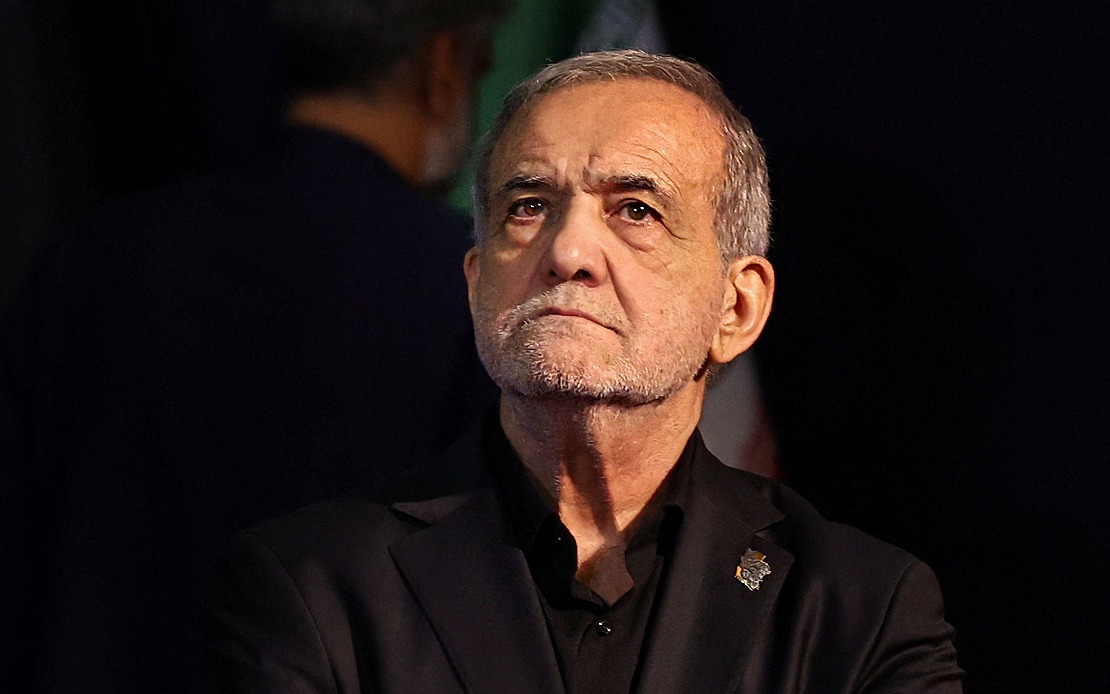
Iranian President Masoud Pezeshkian has demanded that competent international organizations pursue legal action regarding extensive damage inflicted on Iran's transport infrastructure, framing recent American attacks on civilian facilities as constituting war crimes. The declaration came during an official visit to the Ministry of Roads and Urban Development, where the president conducted an on-site inspection as part of his broader field monitoring programme across government agencies and institutions.
During the ministry visit, senior officials provided the president with comprehensive briefings on the current operational status of Iran's critical transport networks. These presentations encompassed border crossing terminals, maritime ports, road networks, rail systems, air transport capabilities, and the broader logistics infrastructure responsible for moving essential goods throughout the country. The assessment aimed to give Pezeshkian a full picture of the damage sustained and the effectiveness of current recovery efforts.
Roads and Urban Development Minister Farzaneh Sadegh delivered a detailed technical report documenting the scale of destruction across multiple transport sectors. The damage inventory included strategic facilities such as port installations, border terminals, bridge structures, highway systems, railway lines, and logistics hubs that together form the backbone of Iran's economic connectivity. The minister's presentation underscored the extensive nature of the infrastructure attacks and their potential impact on the country's ability to maintain normal supply chains and international trade.
In response to the briefing, Pezeshkian issued a series of directives aimed at accelerating the restoration timeline for damaged transport assets. His orders emphasized the need to rebuild infrastructure more rapidly, activate alternative transportation routes to maintain connectivity despite current damage, and implement measures designed to increase the overall resilience of transport networks against future disruptions. The president stressed the importance of ensuring that essential services remain available to the public despite the physical damage sustained.
The Iranian leader used the occasion to publicly commend ministry staff for their efforts in maintaining transport operations throughout the period of aerial bombardment. Pezeshkian framed the infrastructure challenge within a broader narrative of national resilience, suggesting that sustained public backing combined with government determination would ultimately defeat what he characterized as adversarial efforts to cripple Iran's critical infrastructure. His remarks sought to position the transport sector's recovery as a symbol of national unity and resolve.
The president's statements followed a period of heightened military tensions during which the United States conducted sustained air operations against Iranian targets. Over the course of approximately two weeks, American aerial campaigns inflicted damage on multiple bridge systems and road networks, particularly in Iran's southern regions. These attacks specifically targeted transport infrastructure that forms essential links within Iran's broader economic and logistical framework.
The aerial campaign came to an end after Iran executed what its military characterized as decisive retaliatory operations against American forces positioned throughout the Middle Eastern region. Iran's military leadership had previously articulated an explicit doctrine of proportional response, indicating that any American military action would be answered with equivalent Iranian counteraction. This doctrine appeared to have sufficient deterrent effect to halt the American bombing campaign against Iranian civilian infrastructure.
The infrastructure attacks represent a broader pattern within the regional conflict dynamic, where transport networks increasingly become targets during periods of interstate tension. For Malaysia and other Southeast Asian nations with growing trade relationships and investment connections to Iran, the stability and functionality of Iranian transport infrastructure carries direct economic implications. Disruptions to Iranian ports and logistics systems can affect supply chain reliability and shipping schedules for regional exporters and importers conducting business with Iranian counterparts.
The prospect of international legal proceedings raises complex questions about the application of international humanitarian law and the protection of civilian infrastructure during armed conflicts. The framing of civilian transport infrastructure damage as potentially constituting war crimes reflects Iran's effort to establish a legal record and seek accountability through multilateral institutions. This approach aligns with broader patterns whereby nations affected by military strikes attempt to document and formalize claims of violations against international norms.
From a regional stability perspective, the incident highlights how infrastructure destruction can serve as a mechanism of pressure and coercion within interstate relationships. The targeting of civilian transport facilities that ordinary citizens depend upon for economic activity and basic needs creates pressure for political resolution independent of military calculations. The vulnerability of critical infrastructure to aerial attack has emerged as a significant consideration in regional strategic calculations, affecting how countries assess the costs of military confrontation.
The recovery efforts that Pezeshkian authorized will require substantial capital investment and technical expertise, considerations that may influence Iran's broader economic and foreign policy calculations in the coming months. Countries in Southeast Asia monitoring these developments recognize that sustained infrastructure damage and the diversion of resources toward reconstruction can influence the economic attractiveness of trade partnerships and investment opportunities. The reconstruction timeline and effectiveness will signal Iran's ability to restore normal commercial operations and maintain reliable transport connectivity.
The legal action initiative announced by Pezeshkian potentially sets a precedent for how countries navigate accountability mechanisms when civilian infrastructure suffers damage during military conflicts. The outcome of any international legal proceedings could establish important precedent regarding what constitutes acceptable targeting of transport networks during interstate disputes. For regional actors watching these developments, the case may offer insights into available legal remedies and the practical feasibility of pursuing accountability through international forums.

