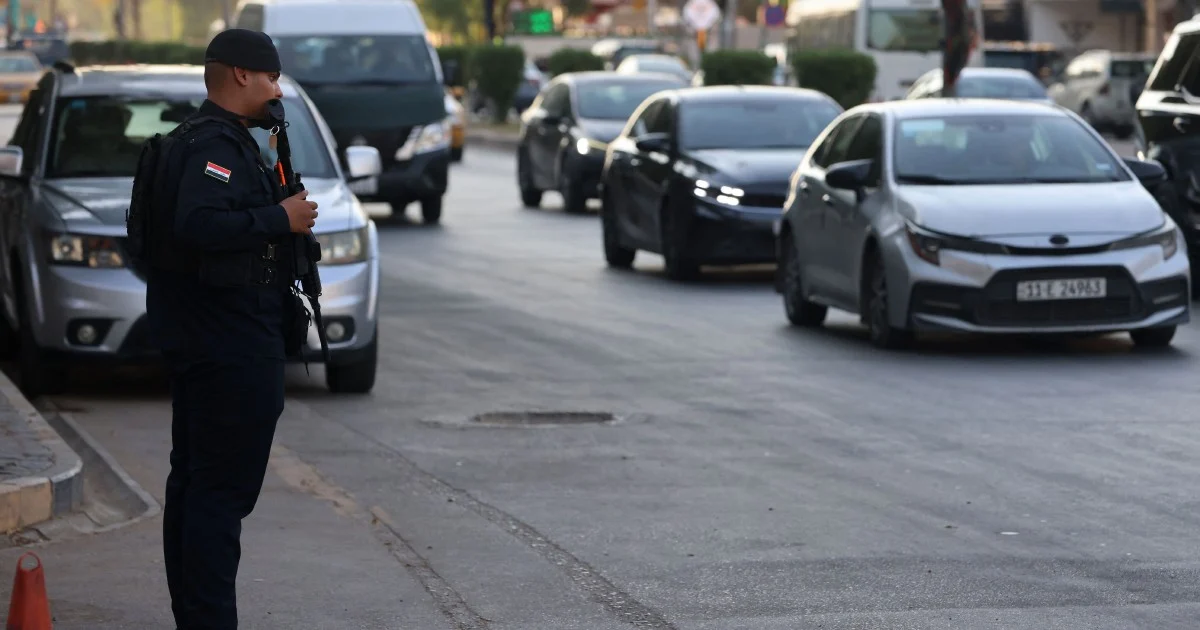
Iraqi authorities executed a major anti-corruption sweep on Sunday, detaining 47 officials across government ranks in what state media characterised as a significant step toward combating endemic graft. The operation, which encompassed members of parliament alongside bureaucrats and security personnel, signals renewed momentum in Baghdad's struggle against institutional corruption—an issue that has constrained state capacity and fuelled public frustration for decades.
The scale of the arrests underscores how deeply corruption has infiltrated Iraq's administrative machinery. Beyond the immediate challenge of prosecuting individual cases, the detention of parliamentary figures carries particular symbolic weight, as Iraq's legislature has long been perceived as a repository of patronage networks and factional interests. By targeting elected representatives, the crackdown suggests authorities are willing to address higher echelons of power rather than confining enforcement to lower-ranking functionaries, a pattern that has characterised previous anti-corruption campaigns in the region.
Iraq's struggle with corruption reflects broader structural vulnerabilities in state institutions. Oil revenues, which constitute the overwhelming majority of government income, have historically been channelled through patronage systems rather than transparent budgeting mechanisms. This dynamic creates incentives for officials at every level to extract illicit rents, from customs officials at borders to senior administrators managing contracts. The cyclical nature of such graft—whereby corrupt officials recruit subordinates into networks of mutual obligation—makes piecemeal enforcement inherently limited unless accompanied by institutional reform.
The timing of the operation carries political significance. Iraq's government has faced mounting domestic pressure to demonstrate competence and accountability, particularly as oil prices fluctuate and public services deteriorate. Citizens across Baghdad and other major cities have protested inadequate electricity provision, water shortages, and unemployment despite the nation's vast resource wealth. Public grievances directly connect institutional corruption to these service failures; money earmarked for infrastructure and utilities frequently disappears through embezzlement rather than reaching intended beneficiaries. Anti-corruption campaigns therefore serve dual purposes: genuinely targeting wrongdoing whilst simultaneously attempting to restore legitimacy.
For regional observers, Iraq's approach carries implications extending beyond its borders. Corruption has long constrained development across the Middle East and Southeast Asia alike. Malaysia, which has undertaken its own significant anti-corruption initiatives in recent years, provides instructive parallels. Like Iraq, Malaysia's experience demonstrates that sustained institutional reform requires more than periodic arrests; it demands reformed procurement processes, strengthened oversight bodies, and genuine prosecutorial independence. The comparative lesson is sobering: without such structural changes, arrest campaigns risk becoming performance theatre that satisfies public demands for visible action without fundamentally altering the conditions permitting corruption.
The involvement of parliamentary members raises questions about judicial independence and political will. In many developing democracies, prosecuting elected representatives invites accusations of political persecution, particularly if competing factions selectively target opponents. The Iraqi operation's credibility therefore hinges partly on whether detentions reflect prosecutorial principle or factional rivalry. International observers and civil society organisations monitor such campaigns closely, as their trajectory reveals whether anti-corruption efforts represent genuine institutional development or cyclical purges serving political interests.
Iraq's judicial system faces additional pressures when processing large numbers of corruption cases simultaneously. Courts already contend with overwhelming caseloads including terrorism prosecutions and sectarian violence investigations. Channelling resources toward graft cases risks creating backlogs, whilst insufficient prosecution resources may result in detained officials languishing indefinitely without trial—itself a human rights concern that compounds rather than resolves institutional dysfunction. Effective anti-corruption work demands not merely enforcement capacity but functioning courts, independent investigation services, and witness protection mechanisms that Iraq's institutions have struggled to establish.
The arrested individuals reportedly span multiple government ministries and security apparatus branches, suggesting a coordinated operation rather than targeting a single faction or sector. This breadth potentially reflects a genuine institutional commitment to rooting out graft comprehensively, though confirmation awaits evidence of successful prosecutions and convictions. Previous campaigns have sometimes seen initial fanfare followed by quiet acquittals or release of detainees, particularly if they possessed sufficient political protection or wealth to secure favourable outcomes.
International engagement shapes Iraq's anti-corruption trajectory. The United States, through its diplomatic presence and military advisors, periodically encourages institutional reform. International financial institutions similarly condition lending on transparency improvements. Yet external pressure proves most effective when coupled with domestic political will; Iraq's fractious governing coalitions and competing militia interests have historically limited coherent anti-corruption policy. The degree to which Sunday's operation reflects coordinated governmental strategy versus a particular faction's initiative remains unclear but consequential for assessing its sustainability.
Moving forward, the operation's ultimate significance will depend on prosecutorial outcomes. Iraqi courts must navigate complex cases whilst protecting investigators and judges from intimidation or corruption themselves. Media reporting and civil society monitoring contribute essential accountability mechanisms, ensuring the process remains visible and subject to scrutiny. For Malaysia and other Southeast Asian democracies observing Iraq's trajectory, the fundamental lesson persists: institutional corruption yields only gradually to enforcement, and only when accompanied by comprehensive reform of budgeting, procurement, and oversight systems that address corruption's structural roots rather than merely its symptoms.

