Malaysia's religious establishment is mobilising to educate the public about the Royal Commission of Inquiry's findings into Tabung Haji, with Islamic scholars and spiritual leaders preparing to disseminate the report's conclusions across the nation through mosques, schools and community forums. The comprehensive awareness initiative, unveiled by Datuk Seri Dr Mujahid Yusof Rawa, aims to ensure that ordinary Malaysians grasp how the institution managed the savings entrusted to it by nearly ten million Muslim depositors planning their hajj pilgrimage.
The nationwide campaign represents a significant institutional response to the RCI investigation, which examined how Tabung Haji—one of the world's largest Islamic financial institutions—administered public funds. By enlisting religious figures as messengers, the initiative seeks to leverage the trust and influence these leaders hold within communities, translating complex financial and governance findings into comprehensible explanations for the average Muslim. This approach reflects recognition that public confidence in Tabung Haji requires more than bureaucratic reporting; it demands credible voices from within the Islamic community itself.
Dr Mujahid, who previously served as Minister in the Prime Minister's Department (Religious Affairs) and now holds the position of Amanah deputy president, articulated the moral imperative driving the campaign. He emphasised that safeguarding Tabung Haji constitutes a collective religious obligation rooted in the Islamic principle of Hifz al-Mal—the protection and preservation of wealth. This framing transforms the RCI's technical findings into a matter of spiritual responsibility, positioning the defence of depositors' savings as an article of faith rather than merely a governance issue. The messaging strategy recognises that many Muslims view their Tabung Haji accounts as sacred trusts, not simply financial products.
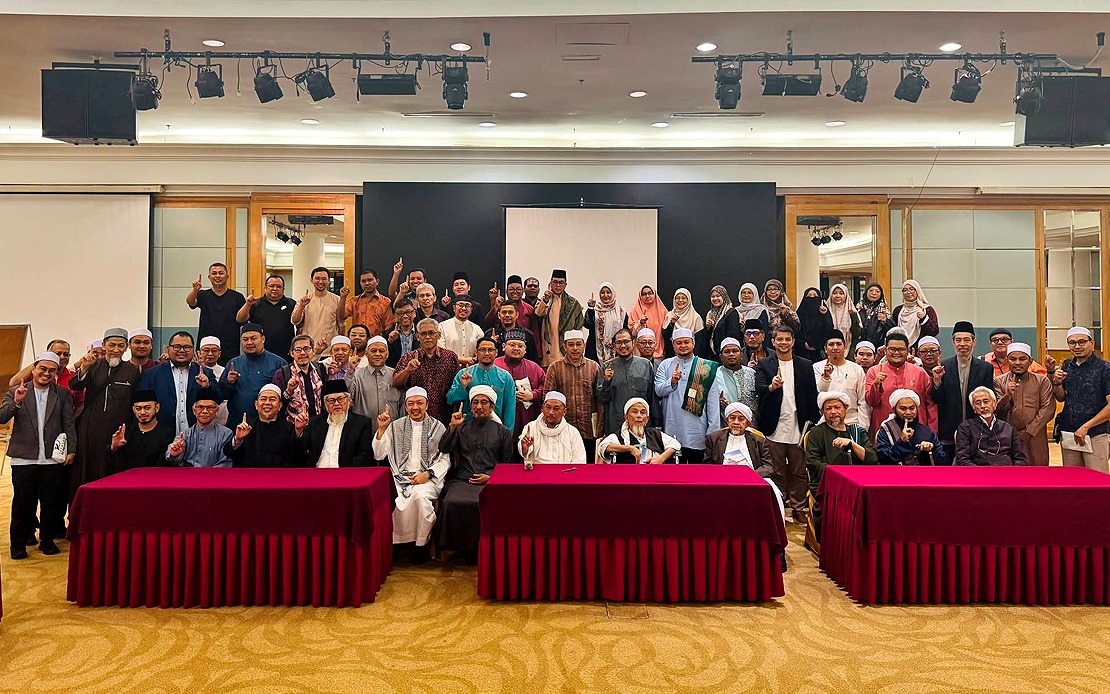
The groundwork for the nationwide push was laid at a special conference called Hifz al-Mal held at De Palma Hotel in Ampang, which convened more than one hundred scholars and religious leaders from across Malaysia. The Malaysian Ulama Secretariat organised the event in partnership with the Malaysian Ulama Council's Mursyid al-'Am (Spiritual Leader) Abdul Rahim Abdul Rahman, lending significant institutional weight to the initiative. This convergence of religious authority underscores the seriousness with which Malaysia's Islamic leadership regards the Tabung Haji matter and its implications for community trust.
What distinguished the Ampang conference was its deliberate assembly of expertise spanning multiple disciplines and professions. Beyond religious scholars and pondok educators, the gathering included chartered accountants, legal practitioners, economic commentators and financial specialists. This multidisciplinary approach enabled discussion of the RCI's findings across religious, financial, accounting, legal and governance dimensions simultaneously. Such breadth reflects the complexity of Tabung Haji's operations and the reality that defending the institution's integrity requires both spiritual guidance and technical credibility. Religious leaders alone cannot explain intricate financial transactions; they must be equipped with insights from professionals who can bridge the gap between moral principle and operational reality.
The campaign will operate through multiple channels and venues carefully selected to maximise reach across Malaysian society. Messages will flow through mosques and surau, the traditional gathering places for Muslim communities, ensuring that Friday sermons and religious discussions incorporate RCI findings. Universities and colleges will host educational sessions, helping younger depositors understand the institutional dynamics affecting their savings. Government departments will facilitate information sessions for their staff, many of whom are likely Tabung Haji participants. Community education platforms will provide accessible forums for neighbourhood-level discussion. This distributed approach recognises that Malaysians receive information through varied channels and that no single communication method suffices to build national comprehension.
The timing and scope of the initiative reflect lingering concerns about public understanding of what occurred at Tabung Haji. The RCI investigation had examined significant controversies surrounding the institution's deposit management, and the push to explain its findings through religious leaders suggests that authorities recognise a trust deficit that requires systematic, high-credibility intervention. By positioning Islamic scholars as explainers rather than apologists, the campaign attempts to restore confidence in both Tabung Haji's governance and in the broader ecosystem of Islamic financial institutions that Malaysian Muslims depend upon.
For Malaysian policymakers and religious authorities, the campaign embodies a recognition that technical reports alone cannot restore institutional legitimacy. When a major Islamic financial institution faces scrutiny, explaining the facts through trusted community voices becomes essential to preventing broader erosion of confidence in the Islamic financial sector. Tabung Haji's 9.7 million depositors represent a substantial portion of Malaysia's Muslim population—many of whom are ordinary working Malaysians saving methodically for the spiritual journey of hajj. Their faith in the institution directly affects both their financial security and their ability to fulfil a pillar of Islam.
The initiative also positions Malaysia's Islamic scholarly establishment as active participants in financial governance rather than merely spiritual authorities divorced from worldly affairs. By engaging accountants, lawyers and economists alongside religious teachers, the Hifz al-Mal conference signalled that protecting Islamic institutions requires integrated expertise. This reflects broader global trends among Islamic finance scholars who increasingly argue that religious learning and technical financial knowledge must develop in tandem.
Looking forward, the success of this nationwide campaign will partly depend on how effectively religious leaders can simplify complex RCI findings without sacrificing accuracy or appearing to minimise serious governance lapses. The public messaging must acknowledge legitimate concerns about how deposits were managed while simultaneously emphasising corrective measures and renewed institutional safeguards. Religious credibility, once lost, proves difficult to restore, and the campaign represents an intensive effort to prevent that outcome. For depositors anxious about their savings, the involvement of respected Islamic figures may provide reassurance that the institution's future rests on both technical competence and moral commitment to protecting their trust.

