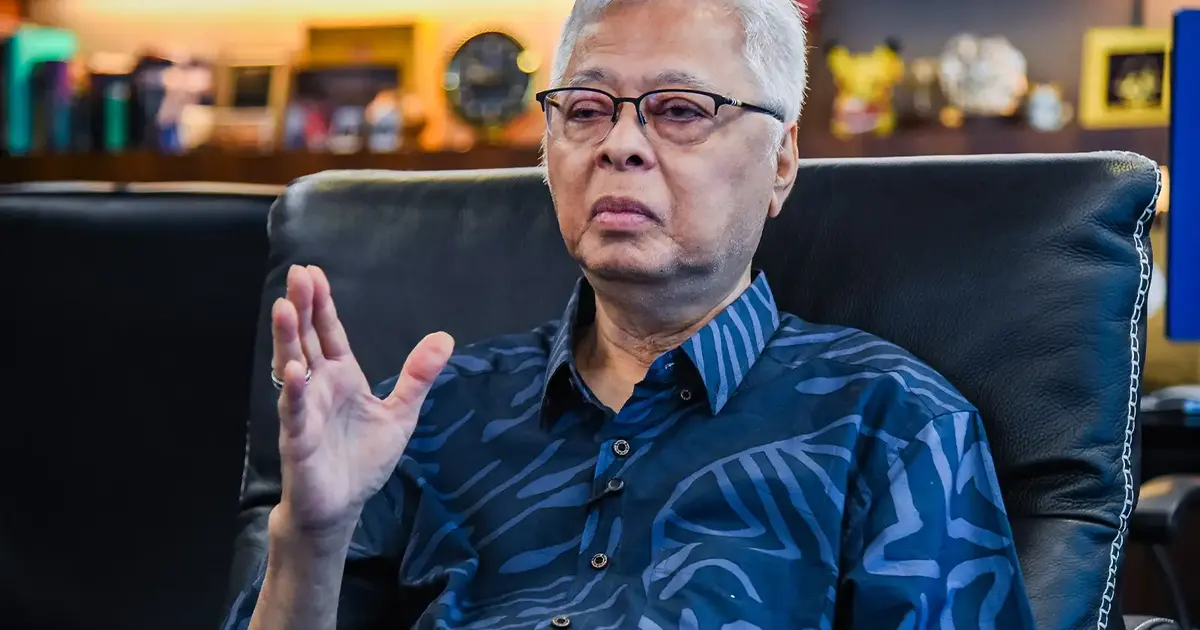
The court has postponed legal proceedings against former Prime Minister Ismail Sabri Yaakob, granting him an adjournment to undergo a planned heart procedure. The hearing will now take place on August 27, pushing back the original date to allow the former leader time for medical treatment and recovery.
This development comes as Ismail Sabri faces charges in connection with his tenure as prime minister. The adjournment signals the court's recognition of his medical circumstances, a not uncommon occurrence in Malaysian judicial proceedings when individuals involved in cases require urgent health interventions. The delay underscores how even high-profile political figures navigating the legal system must sometimes step aside to address serious health concerns.
Ismail Sabri's political career has been marked by significant upheaval since his tenure as Prime Minister ended in August 2022. His leadership came during a tumultuous period for Malaysian politics, characterised by coalition instability and mounting pressure from various political factions. The charges he now faces are part of the broader reckoning that has continued to affect numerous political figures following changes in government.
For Malaysian observers, the postponement raises questions about the trajectory of ongoing legal cases involving prominent political personalities. The Malaysian court system has increasingly had to navigate the complexities of trying sitting or former leaders, balancing the demands of justice with practical considerations. Such adjournments are formally granted when courts determine that the defendant's health or personal circumstances warrant delay, ensuring that legal proceedings do not compromise an individual's wellbeing.
The August 27 date signals that the court expects Ismail Sabri to have completed his cardiac procedure and recovered sufficiently to participate in the hearing by then. Heart procedures typically require several weeks of recovery, suggesting that medical professionals have advised on a timeline that allows for adequate healing before courtroom proceedings resume. This timeframe is consistent with standard recovery periods following cardiac interventions.
Ismail Sabri's case represents one thread in the complex tapestry of post-2022 Malaysian politics, where numerous former government officials have faced legal challenges. These cases reflect the shifting political landscape and the consequences that leaders face once electoral dynamics change. The postponement itself becomes part of the public record, serving as a reminder of the intersection between personal circumstances and political accountability.
The adjournment also illustrates the procedural flexibility of the Malaysian legal system, which must accommodate genuine medical emergencies while maintaining the integrity of judicial processes. Courts regularly grant such delays when medical evidence supports the need, recognising that fair trials require the full participation of defendants in good health. This approach balances the public interest in pursuing legal cases with humanitarian considerations.
For Ismail Sabri specifically, this break from courtroom proceedings may provide respite during a challenging period. Former prime ministers in Malaysia have increasingly found themselves subject to legal scrutiny, and the stress of ongoing cases can compound existing health concerns. His medical situation is not unique among Malaysia's political establishment, where several figures have required health-related court accommodations in recent years.
The resumption of hearings in late August will likely attract significant media attention, given Ismail Sabri's high profile. His case continues to be monitored closely by political observers and the general public alike, as outcomes may have implications for how future political accountability matters are handled. The Malaysian legal system's handling of such high-profile cases sets precedents for the broader political culture.
From a Southeast Asian perspective, Malaysia's approach to prosecuting former leaders reflects broader regional trends where post-political transitions have brought increased judicial scrutiny of those who previously held power. This pattern exists across several countries in the region, suggesting a growing expectation that political accountability is not suspended once leaders leave office. The way Malaysian courts manage these cases influences regional perceptions of judicial independence and rule of law.
The August 27 hearing date provides both a timeline for resolution and an opportunity for the legal process to proceed with full participation from all parties. As Malaysia continues to grapple with questions of political accountability and institutional integrity, cases like that of Ismail Sabri will remain subjects of public interest and political significance. The interplay between personal circumstances, legal responsibility, and political consequence remains a defining feature of contemporary Malaysian governance.

