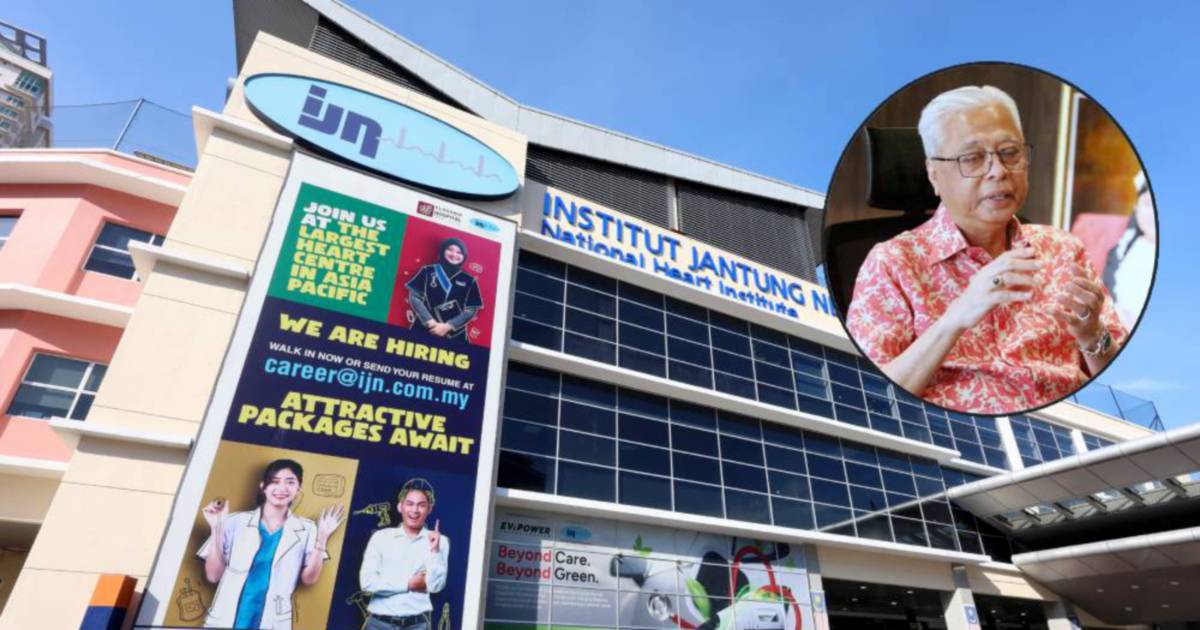
Datuk Seri Ismail Sabri Yaakob, who served as Malaysia's Prime Minister until August 2022, has completed a successful leadless pacemaker implantation procedure at the National Heart Institute (IJN) in Kuala Lumpur. The former leader was admitted to the facility after medical evaluations detected an abnormal heart rhythm requiring intervention. The minimally invasive procedure represents a modern approach to cardiac rhythm management, addressing his condition whilst minimising trauma to surrounding tissue.
The decision to proceed with a leadless pacemaker rather than a conventional device reflects advances in cardiac technology that have gained traction across Malaysian and regional healthcare systems. Unlike traditional pacemakers requiring surgical leads tunnelled through veins to the heart, leadless systems are implanted directly into the cardiac chamber, reducing infection risk and eliminating complications associated with lead displacement or fracture. This approach has become increasingly popular among specialists managing arrhythmia cases in private and public healthcare institutions throughout Southeast Asia.
At 68 years old, Ismail Sabri's health situation brings broader attention to cardiovascular wellness among Malaysia's political and business elite. Abnormal heart rhythms, or arrhythmias, represent a significant public health concern domestically and regionally, affecting millions regardless of socioeconomic status. The condition can range from benign to life-threatening depending on its type and severity, making prompt diagnosis and appropriate management crucial for maintaining quality of life and preventing serious complications such as stroke or sudden cardiac events.
The National Heart Institute, where the procedure took place, stands as one of Malaysia's premier cardiac facilities and a regional referral centre for complex heart conditions. The institution's expertise in advanced procedures like leadless pacemaker implantation underscores the capability of local healthcare infrastructure to deliver world-class cardiac care, reducing the necessity for Malaysian patients to seek treatment abroad. Such competency enhancement strengthens Malaysia's position as a medical tourism destination whilst improving outcomes for domestic patients requiring specialised intervention.
Medical advisors have recommended a period of rest and recovery following the implantation, a standard protocol allowing the device to properly integrate with cardiac tissue and ensuring the implantation site heals adequately. This recuperation phase typically involves activity restrictions, avoidance of strenuous exertion, and adherence to follow-up appointments for device interrogation and monitoring. During recovery, patient compliance with medical guidance proves essential for preventing complications and optimising long-term device function and overall cardiac health outcomes.
The successful completion of the procedure suggests Ismail Sabri's overall health status and medical management remain sound, with trained cardiac specialists confident in the intervention's efficacy. His case illustrates how modern pacemaker technology offers excellent success rates across diverse patient populations, with leadless systems demonstrating comparable or superior longevity and complication profiles relative to conventional alternatives. Malaysian cardiologists have increasingly adopted this technology, reflecting both local expertise development and patient demand for less invasive options.
For a public figure like Ismail Sabri, the hospitalisation and recovery process naturally attract media attention and public interest. However, his medical situation also serves an inadvertent educational function, raising awareness among Malaysians regarding cardiovascular health screening and the importance of timely intervention when cardiac irregularities are detected. Many individuals remain unaware of symptoms warranting cardiac evaluation, and prominent figures undergoing successful treatment occasionally prompt increased screening rates within the general population.
The implications of this procedure extend beyond Ismail Sabri's personal health trajectory. The case demonstrates Malaysia's healthcare system's capacity to manage complex cardiac conditions using contemporary technology, reassuring both domestic and international patients regarding the quality of local medical infrastructure. International accreditation and specialist training ensure that procedures conducted at institutions like IJN meet global standards, positioning Malaysia competitively within the regional healthcare marketplace.
Arrhythmia management has evolved substantially over recent decades, transitioning from purely pharmacological approaches to device-based therapies offering superior efficacy and safety profiles for appropriately selected patients. Leadless pacemakers represent the frontier of this evolution, combining efficacy with minimal invasiveness. As technology continues advancing and clinician experience accumulates, these systems will likely become increasingly prevalent in Malaysian cardiac practice, expanding treatment options for patients with various conduction abnormalities and rhythm disturbances.
The recovery period ahead will require Ismail Sabri to follow careful post-operative protocols, including activity modification and scheduled follow-up assessments. Successful long-term outcomes depend substantially on patient adherence to medical recommendations and healthcare provider oversight during the critical initial weeks following implantation. With appropriate management, leadless pacemaker recipients typically resume normal activities gradually, returning to productive and active lives whilst benefiting from continuous cardiac rhythm monitoring and automatic adjustments the device provides.
Looking forward, Ismail Sabri's recovery trajectory will likely be monitored both by his medical team and indirectly by public observers given his previous prominent governmental role. His experience may influence perceptions regarding cardiac health management within Malaysia's leadership circles and broader society, potentially encouraging others to seek appropriate cardiac evaluation and treatment. The successful outcome demonstrates that even significant health challenges need not preclude individuals from maintaining engagement in public and professional pursuits, provided appropriate medical management and personal discipline are maintained throughout the recovery and long-term management phases.

