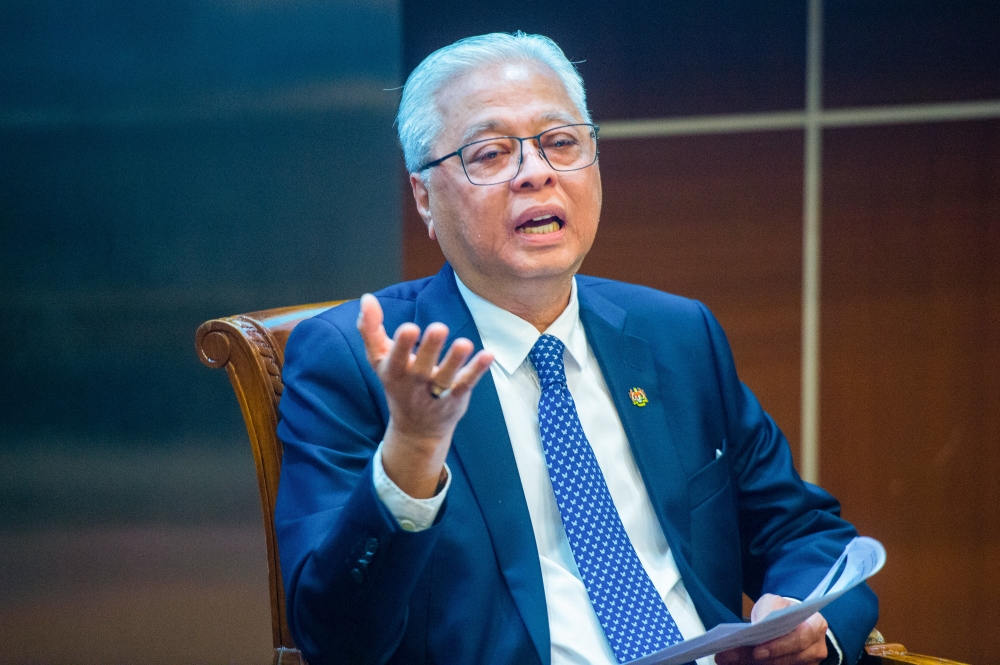
Former Prime Minister Datuk Seri Ismail Sabri Yaakob has recovered well from pacemaker implantation surgery conducted at Institut Jantung Negara (IJN) in Kuala Lumpur, with his medical team confirming his condition remains stable post-procedure. The cardiac intervention, which took place on August 7, marks a significant health milestone for the veteran politician who previously served as Malaysia's prime minister from August 2021 to November 2022.
The successful implantation of the pacemaker addresses a cardiovascular condition that required medical intervention, a development that underscores the health challenges increasingly common among senior political figures in Malaysia. Pacemakers function as electronic devices that regulate abnormal heart rhythms, either by stimulating the heart when it beats too slowly or managing situations where the organ's electrical system malfunctions. The procedure typically involves surgeons inserting the device beneath the collarbone through a minor surgical incision, with the process generally lasting between one and three hours depending on complexity.
IJN, Malaysia's premier cardiac institution, has established itself as the nation's leading centre for complex heart procedures and interventions. The institute, which operates under the Ministry of Health, regularly handles high-profile cases and serves as a referral centre for the most challenging cardiac conditions across the country. The fact that Ismail Sabri chose IJN for his treatment reflects the institution's reputation for excellence and its track record in managing intricate cardiovascular cases involving both routine and complicated presentations.
The timing of the procedure carries particular significance given Malaysia's political landscape. Though Ismail Sabri no longer holds the office of prime minister, he remains an influential figure within the United Malays National Organisation (UMNO) and continues to play an active role in parliamentary affairs as a member of the Dewan Rakyat. His recovery and return to normal activities would be closely monitored by political observers, as any prolonged absence from parliamentary duties could impact UMNO's legislative strategy and voting strength during critical parliamentary sessions.
From a medical perspective, the successful implantation and stable recovery represent positive outcomes that suggest Ismail Sabri should be able to resume his regular duties in the near future. Modern pacemaker technology has advanced considerably, with devices now offering improved battery longevity, wireless monitoring capabilities, and sophisticated arrhythmia detection systems. Patients typically require a brief recovery period of several days to a week before returning to light activities, with full recovery usually achieved within four to six weeks as incisions heal completely.
The announcement of the procedure and its success reflects broader trends in Malaysian public life, where transparency regarding the health of senior political figures has become more normalized. Previous generations of political leadership often kept such medical matters private, but contemporary practice increasingly involves public disclosure to maintain confidence and manage potential succession planning concerns. This openness serves to reassure both the public and party members about continuity of leadership and political stability.
For Ismail Sabri's supporters within UMNO, the successful completion of the procedure without complications provides reassurance about his ability to continue contributing to party affairs and parliamentary activities. The politician has maintained a visible presence in recent months, participating in party meetings and legislative debates, suggesting he remains engaged in political discourse despite his departure from the prime ministerial office. His recovery will likely enable him to sustain this level of involvement going forward.
The broader context of political health management in Malaysia also merits consideration. The demands of high office and subsequent parliamentary duties place considerable stress on senior politicians, contributing to various chronic health conditions that emerge over time. The successful management of such conditions through modern medical intervention demonstrates how contemporary healthcare capabilities enable public figures to maintain active roles even while managing significant health challenges. This development has implications for how Malaysia approaches succession planning and leadership transitions within political parties.
Institut Jantung Negara's involvement in treating prominent political figures also highlights the critical importance of maintaining and funding Malaysia's premier medical institutions adequately. The institute's reputation for handling complex cases attracts both local and international patients, generating revenue that supports its research programs and training initiatives. Such cases also provide valuable clinical experience that enhances the institution's expertise in rare and complicated cardiac presentations, ultimately benefiting the broader Malaysian population requiring heart care.
As Ismail Sabri recovers from his procedure, attention will turn to his rehabilitation timeline and resumption of full parliamentary participation. The medical team at IJN will likely conduct follow-up assessments to ensure the pacemaker functions optimally and that his heart responds as expected to the device. Patients typically undergo device checks at regular intervals to confirm proper functioning and battery status, with modern remote monitoring systems allowing cardiologists to assess device performance without requiring in-person visits.
The successful treatment of Ismail Sabri's cardiac condition represents a positive outcome that should enable him to continue his active role in Malaysian politics and parliamentary affairs. His case exemplifies how modern cardiac medicine has extended the productive years of older professionals across various sectors, allowing individuals with significant experience and expertise to contribute longer to their fields. Looking ahead, the former prime minister's recovery will be monitored both from a medical perspective and by the political community, with his return to full activities likely occurring within the coming weeks.

