Calls are mounting for former prime minister Datuk Seri Ismail Sabri Yaakob to publicly account for the extended delay in releasing a Royal Commission of Inquiry (RCI) report examining Lembaga Tabung Haji's operations and governance shortcomings. The report, which addressed systemic issues at the pilgrimage savings institution, remained classified and inaccessible to lawmakers and the public for nearly four years following its completion, raising fundamental questions about administrative transparency and the government's commitment to accountability mechanisms.
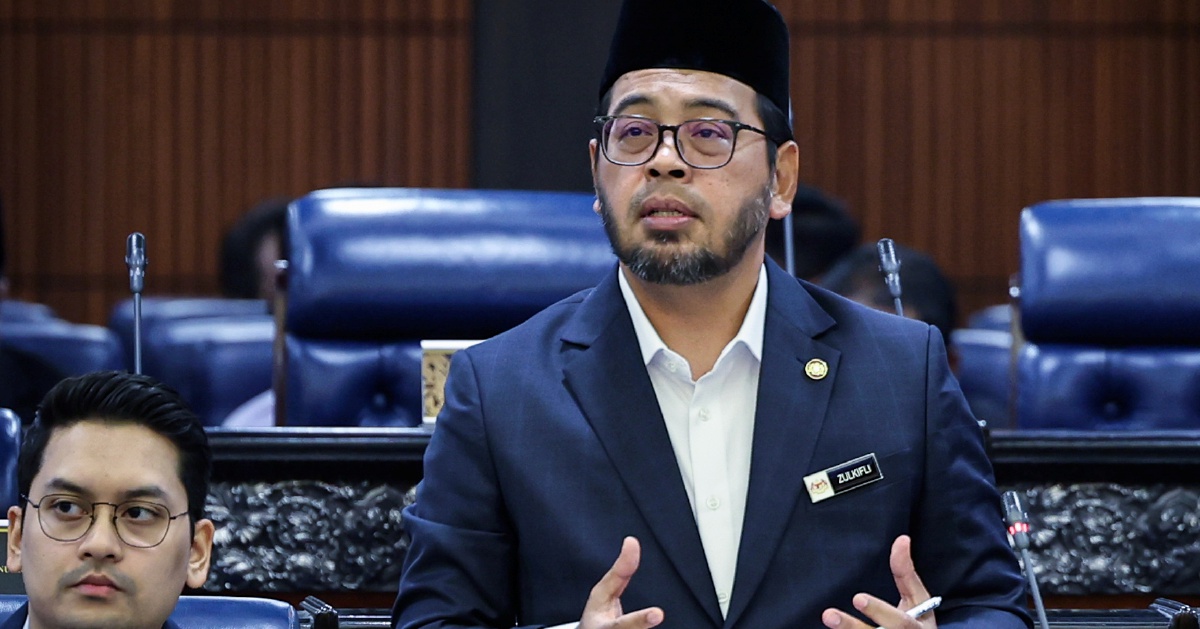
The withholding of the RCI findings has become a focal point for governance critics and opposition figures who view the prolonged concealment as emblematic of broader transparency deficits within Malaysia's institutional framework. Zulkifli Mohamad al-Bakri, a prominent voice in these discussions, contends that the former premier must provide substantive reasoning for maintaining the report's confidential status throughout his tenure leading the Perikatan Nasional administration. The demand reflects a wider sentiment that high-level inquiries into significant institutional failures warrant expeditious public disclosure rather than indefinite restriction.
Tabung Haji, which manages mandatory savings accounts for Malaysian pilgrims undertaking the Hajj pilgrimage, encountered serious governance and financial challenges that necessitated the RCI investigation. The institution's operations affect millions of Malaysian Muslims and their families, making transparency regarding investigative findings a matter of considerable public interest. When an official inquiry concludes its examination into institutional dysfunction, stakeholder expectations for timely information release typically supersede other considerations, particularly when public funds and citizen welfare remain at stake.
The classification of the report during Ismail Sabri's premiership, which extended from August 2021 to October 2022, stands in contrast to subsequent administrations' decisions regarding disclosure. Pressure from civil society organisations, legislative bodies, and the incoming administration ultimately compelled the release of findings that had previously remained sealed. This trajectory underscores inherent tensions between executive discretion over sensitive documents and institutional obligations toward democratic accountability, a dynamic increasingly scrutinised within Malaysia's political landscape.
Observers noting this sequence argue that prolonged non-disclosure of investigative reports carries particular weight when those reports address systemic failures within public institutions. The RCI mechanism itself represents a substantial investment of governmental resources and expert time, typically deployed when issues warrant comprehensive, independent examination. Withholding the resulting conclusions from relevant stakeholders—including Parliament members responsible for institutional oversight, affected citizens, and the general public—undermines the investigative process's fundamental purpose and creates information asymmetries that obscure accountability pathways.
The timing of the report's eventual release has prompted retrospective analysis of decision-making processes within the previous administration. Officials operating under the Ismail Sabri government presumably evaluated whether releasing the RCI findings warranted political costs, potential public backlash regarding institutional weaknesses, or other strategic considerations. This calculus, when applied to matters of substantial public concern, invites criticism from transparency advocates who argue that governmental interests should remain subordinate to citizens' rights regarding information affecting institutions they fund and depend upon.
For Malaysian governance frameworks, this episode illustrates persistent challenges in establishing robust norms around institutional reporting and public information access. While official secrets legislation and executive privilege retain legitimate purposes, their application to investigative conclusions requires principled boundaries. The four-year gap between report completion and public release suggests either insufficient clarity regarding appropriate classification periods or deliberate strategic withholding—both scenarios warranting examination and explanation by relevant officials.
The Tabung Haji inquiry's delayed disclosure carries particular resonance given the institution's fundamental importance within Malaysia's Muslim majority society. Pilgrims and their families depend on TH's financial stewardship, governance competence, and regulatory compliance. When investigations uncover deficiencies, affected stakeholders possess inherent entitlements to timely information enabling informed judgments about their financial interests and institutional trust. Extended concealment of such findings arguably violates implicit social contracts underpinning public institutions.
Moving forward, this incident may catalyse discussions regarding statutory timelines for RCI report disclosure or clearer frameworks distinguishing between legitimately sensitive material requiring extended confidentiality and findings warranting public transparency. Comparable democracies have established procedural safeguards ensuring that investigative conclusions reach relevant oversight bodies and stakeholders within reasonable timeframes, even when full public release faces temporary restrictions. Malaysia might consider analogous mechanisms balancing legitimate governmental confidentiality interests against democratic accountability principles.
The pressure on Ismail Sabri to justify the withholding reflects broader public expectations that senior officials, particularly former heads of government, remain answerable for significant administrative decisions affecting transparency and institutional confidence. His explanation regarding the classification decision could illuminate whether the delay resulted from procedural routines, deliberate strategic considerations, or other factors—illumination that observers regard as essential for understanding governance priorities during his administration and establishing precedents for successor governments managing similar institutional inquiries.

