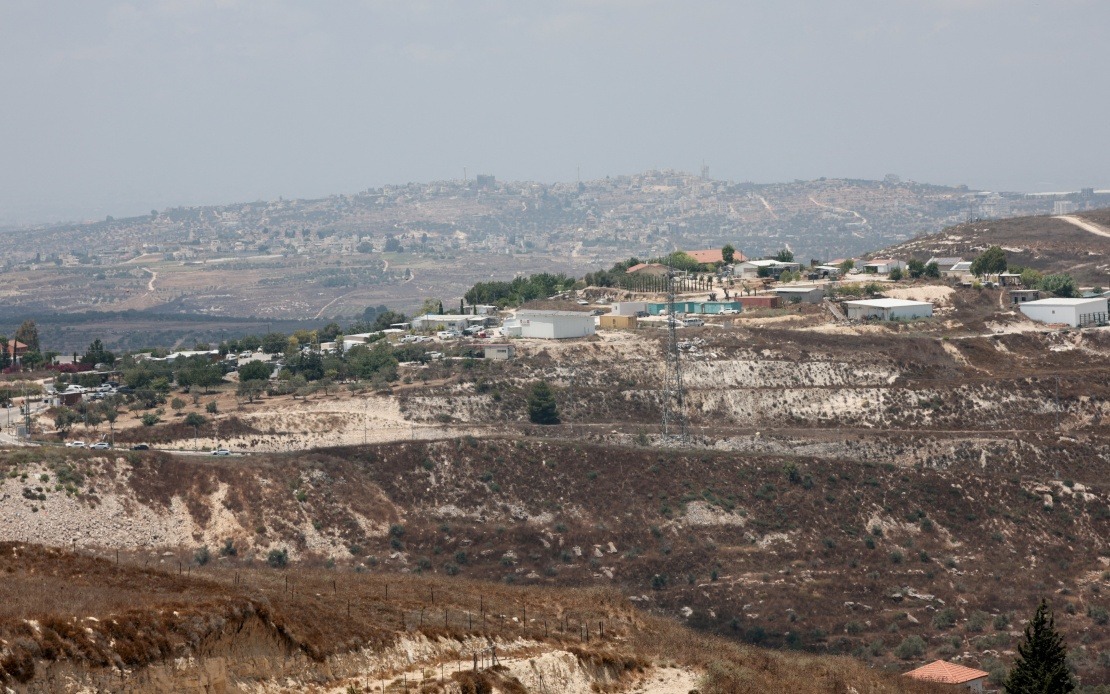
Israeli military forces and settlers have intensified operations across the occupied Palestinian territories, with fresh incidents reported on Monday involving attacks on civilians and the seizure of private property. The coordinated activities underscore the persistent pattern of confrontation that has characterised the region since October 2023, raising concerns about civilian safety and the humanitarian situation for Palestinians across the West Bank and East Jerusalem.
A late-night assault on the Al-Arara Bedouin community situated near Jaba, close to occupied East Jerusalem, resulted in injuries to multiple residents, including women and elderly individuals. According to the Jerusalem Governorate, the attackers were backed by Israeli military personnel, signalling an organised rather than spontaneous nature to the incident. The assault's severity was compounded by restrictions placed on medical personnel, as Israeli forces prevented ambulance crews from immediately accessing the area to treat the wounded. This obstruction of emergency services raises questions about adherence to international humanitarian standards and protocols governing conflict zones.
The Palestine Red Crescent Society, the territory's primary emergency medical organisation, initially encountered barriers to entering the attack site. However, teams subsequently managed to evacuate two injured Palestinians to a hospital in Jaba, allowing them to receive treatment for injuries sustained in the confrontation. The delayed access to medical care highlights the practical difficulties faced by humanitarian workers operating in contested areas where military control and civilian needs intersect.
Vandalism accompanied the assault, with Israeli occupiers throwing stones at Palestinian vehicles in the vicinity of the Jaba roundabout. Several automobiles sustained damage from this activity, though fortunately no additional casualties were reported from these incidents. Such property damage, while less severe than physical injuries, contributes to the broader pattern of destabilisation affecting Palestinian communities in the region.
In a separate development reflecting ongoing security tensions, Israeli forces conducted a raid on the town of Silwan in occupied East Jerusalem, where they detained Qusai Ghaith, son of Jerusalem Governor Adnan Ghaith. According to local sources, the detainee was subjected to physical assault before being transported to a detention facility in Jerusalem for interrogation. The arrest of a high-profile family member illustrates the reach of Israeli military operations into Palestinian administrative circles and the potential use of detention as a pressure mechanism against Palestinian leadership.
Property seizures have also marked recent Israeli operations in the central West Bank region. In the village of Deir Ammar, situated west of Ramallah, Israeli occupiers claimed a house under construction belonging to Palestinian resident Ezzedine Tahseen. Such takeovers of residential property have long been a contentious issue, with Palestinian and international observers characterising them as illegal under international law, while Israeli authorities typically cite security considerations or legal claims to justify such actions.
Agriculture and livestock herding, traditional livelihoods for many Palestinians, have become zones of conflict in eastern Ramallah. Israeli occupiers stormed a livestock pen in the village of Burqa operated by a Palestinian farmer, apparently intending to appropriate the animals. The farmer and local residents, however, managed to resist and force the occupiers to withdraw before livestock could be taken. This incident demonstrates how Israeli operations sometimes meet organised local resistance, though the inherent power imbalance means such victories remain exceptions rather than the norm.
Further north near Nablus, Israeli forces employed live ammunition during an attack on the outskirts of Asira al-Qibliya village. Following the gunfire incident, military personnel subsequently entered the village for a raid. The authority to use live fire, even when it does not result in reported casualties, underscores the potential lethality underlying these operations and the risks faced by civilian populations in proximity to confrontation zones.
These latest incidents must be contextualised within a larger escalation that occurred on Friday, when Israeli forces and settlers attacked the Palestinian town of Tell near Nablus. That engagement proved significantly more violent, resulting in four Palestinian deaths. The confrontation also claimed Israeli lives, with two Israelis killed during a shooting incident, indicating that resistance does occasionally inflict casualties on the Israeli side despite the overwhelming military disparity.
The Friday violence triggered a severe response from Israeli authorities, who imposed a comprehensive siege on Nablus and surrounding municipalities. Alongside the blockade, Israeli forces initiated mass arrest operations throughout the region and signalled intentions to launch a broad military campaign across the entire West Bank. Such large-scale operations typically involve roadblocks, checkpoints, and door-to-door searches aimed at apprehending suspected militants or gathering intelligence.
The human toll of the nine-month period since October 2023 has been substantial according to official Palestinian tallies. Israeli forces and settlers have killed at least 1,182 Palestinians across the West Bank, injured thousands of others, and detained approximately 24,000 individuals. These figures represent a significant humanitarian impact, affecting families and communities across the Palestinian territories. For Malaysian observers and policymakers, this situation underscores the ongoing volatility in the Middle East and the importance of regional stability to broader global peace and security considerations.
For Southeast Asian nations maintaining diplomatic relations with both Israel and Palestinian authorities, the escalating cycle of violence presents complex policy challenges. Malaysia, in particular, has historically maintained strong solidarity with the Palestinian cause while engaging cautiously with Israeli interests in various sectors. The continuation of these security incidents and property seizures reinforces Palestinian grievances and complicates regional diplomatic efforts to establish sustainable peace frameworks that respect the rights and security concerns of all populations involved.

