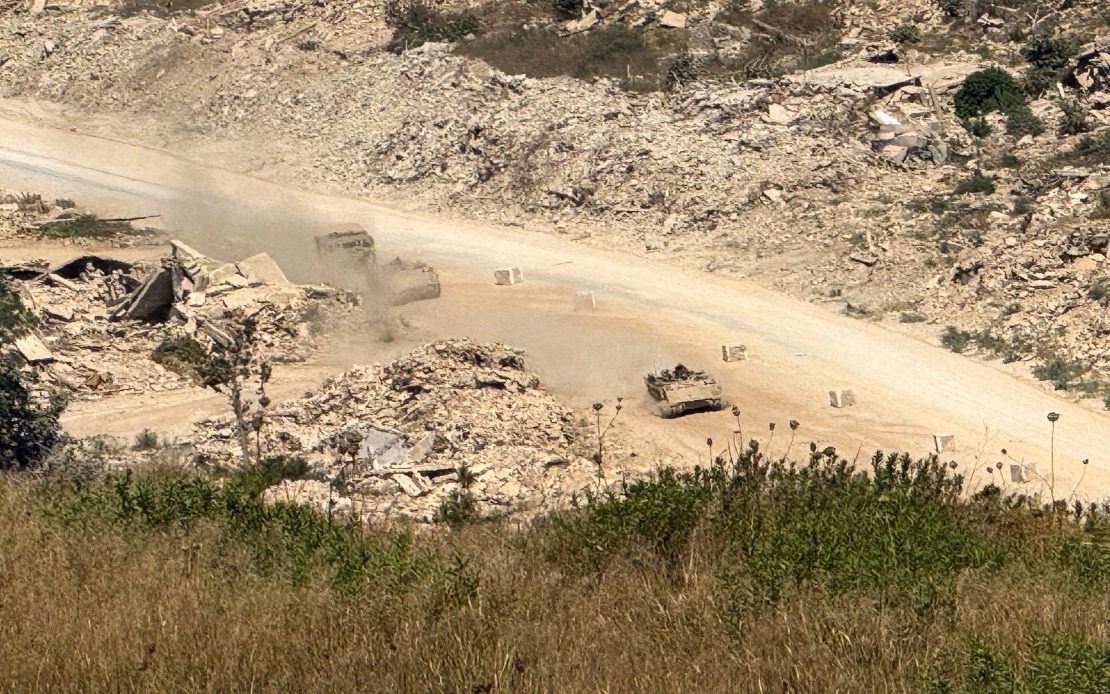
Fresh military escalation in southern Lebanon has underscored the fragility of diplomatic efforts aimed at resolving the months-long conflict between Israel and Lebanese forces. On Monday, the Israeli army deployed heavy artillery, executed ground manoeuvres, and systematically burned residential properties across multiple towns in Lebanon's south, actions that Lebanon's state news agency characterized as explicit violations of the existing ceasefire framework.
The scale of the operations reflected a pattern of persistent military pressure throughout the border region. Israeli ground forces penetrated the western approaches to Mays al-Jabal while simultaneously maintaining artillery bombardment, demonstrating both the breadth and intensity of the campaign. In the Mansouri area, military sources reported two separate explosions, while machine gun fire targeted communities in Wadi al-Salouqi within Nabatieh governorate. The town of Khiam witnessed systematic destruction of civilian housing as Israeli forces advanced through the settlement, adding to the humanitarian toll of the conflict.
The timing of these operations proved particularly significant given the diplomatic context. Just three days prior, representatives from Lebanon and Israel had concluded their seventh round of peace negotiations in Rome under United States mediation. Those talks, held Thursday, addressed implementation of a framework agreement initially reached on June 26. Lebanese President Joseph Aoun had publicly characterized discussions as generating "positive progress" on critical issues including border delineation and the status of detainees. The framework itself envisages a calibrated Israeli withdrawal beginning with designated pilot zones, contingent upon Lebanese military deployment and the disarmament of armed groups including Hezbollah.
Yet the Monday military actions suggested profound scepticism regarding the negotiating process, or alternatively, reflected efforts to establish favourable military conditions before any withdrawal implementation. Israeli forces have now penetrated more than ten kilometres into Lebanese territory during the current campaign, extending their presence far beyond the internationally recognized border. This depth of penetration complicates any withdrawal arrangement, as entrenched military positions typically require extended negotiations to extract.
The broader territorial context adds complexity to the current standoff. Israel maintains long-standing occupation of multiple Lebanese border areas, with some dating back decades and others established during the 2023-2024 conflict phase. These holdings provide strategic depth and buffering capacity that Israel has historically been reluctant to relinquish. The accumulation of occupied Lebanese, Palestinian, and Syrian territories reflects Israel's regional posture—one prioritizing military security arrangements over territorial restoration commitments embedded in relevant United Nations resolutions.
For Malaysia and regional observers, these developments carry significant implications. Southeast Asian nations maintain substantial diplomatic and economic interests in Middle Eastern stability, with many seeking to preserve balanced relationships across the conflict divide. The pattern of military operations persisting through peace negotiations demonstrates how entrenched security concerns can overwhelm diplomatic momentum, a lesson with potential applications across contested regions globally. The Lebanese situation illustrates the asymmetry between military capabilities and political will that characterizes prolonged conflicts.
The human cost of the ongoing hostilities underscores the urgency of genuine settlement. Lebanese authorities document 4,335 deaths and 12,277 wounded since operations commenced on March 2, with displacement exceeding one million people—figures representing roughly one-quarter of Lebanon's population. This humanitarian catastrophe has already reshaped Lebanese society, creating generational trauma and displacement patterns that will require years to address through reconstruction and reconciliation efforts.
The Monday operations also highlight the role of Israeli military autonomy within the broader political framework. Even as diplomatic channels remain open and governments negotiate, field commanders appear empowered to conduct tactical operations that military strategists view as operationally necessary. This separation between political dialogue and military action creates a structural challenge for ceasefire frameworks—formal agreements may lack enforcement mechanisms capable of constraining tactical-level military decisions.
Regional analysts emphasize that sustainable peace in Lebanon requires not merely ceasefire agreements but rather comprehensive political settlements addressing the underlying security concerns driving both Israeli and Lebanese actions. The framework agreement's provisions regarding Hezbollah disarmament represent particularly contentious territory, as any process that weakens non-state armed groups must simultaneously address Israeli security guarantees and withdrawal timelines—conditions that negotiating parties have struggled to reconcile.
Moving forward, the trajectory of these negotiations will substantially influence Lebanese stability and, by extension, regional dynamics across the Eastern Mediterranean. The Monday escalation may represent either a negotiating tactic designed to maximize Israeli advantages before implementing any withdrawal, or evidence that fundamental gaps remain between parties regarding acceptable settlement parameters. The coming weeks will reveal whether diplomatic channels can overcome the pattern of military operations that has persistently undermined previous ceasefire agreements in this contested border region.

