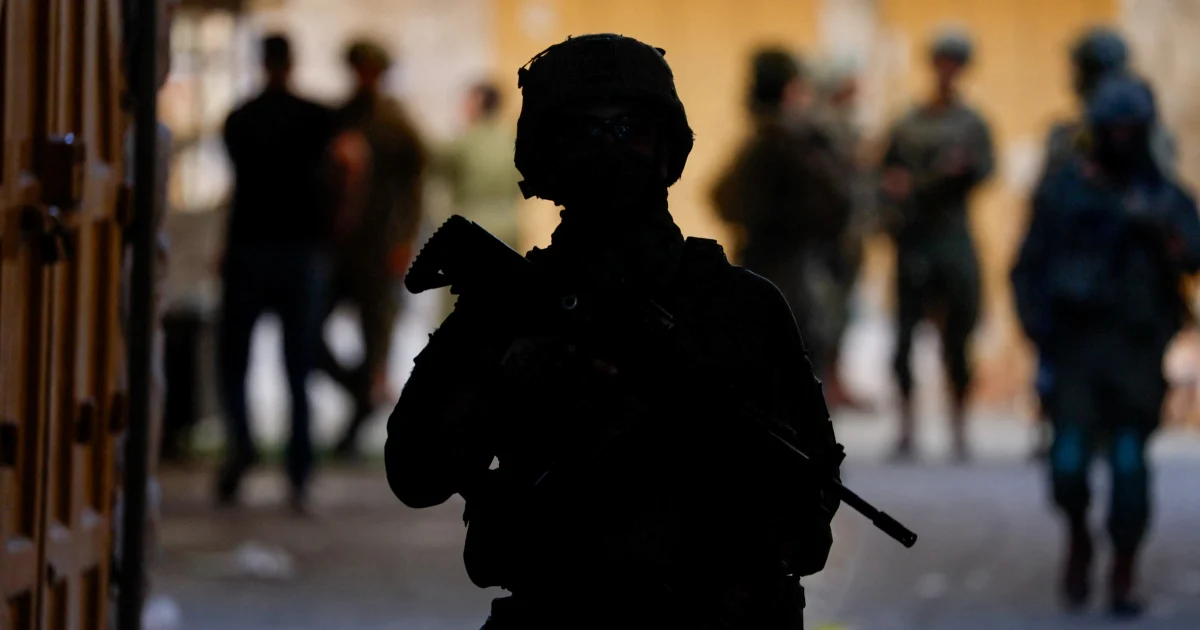
Israeli police have arrested four individuals suspected of deliberately damaging a vehicle carrying foreign journalists, including a CNN crew, operating in the occupied West Bank. The arrests, made on Saturday, mark a rare intervention by law enforcement in incidents involving international media personnel and Israeli settlers, reflecting heightened scrutiny over press freedom and safety in the contested region.
The incident represents a significant escalation in the friction between international news organisations and settler groups in Palestinian territories. CNN characterised the vehicle damage as an attack on its crew, signalling the broadcaster's view that the incident went beyond simple vandalism to constitute a deliberate confrontation with media operatives. Such characterisations carry weight in international discourse, potentially triggering broader diplomatic and reputational consequences for Israeli authorities if investigations fail to produce meaningful accountability.
The arrests signal a shift in how Israeli law enforcement responds to confrontations involving foreign media in the West Bank. Historically, journalists and camera crews have reported experiencing harassment, obstruction, and intimidation whilst documenting activities in settlement areas and during confrontations between Israeli forces and Palestinian civilians. The decision to pursue criminal charges against the four suspects suggests pressure from diplomatic channels, internal policy reassessment, or recognition that allowing such incidents to pass without consequence damages Israel's international standing.
For regional observers, including Malaysian policymakers and media professionals, this incident illuminates the precarious position of journalists operating in conflict zones. Southeast Asian news organisations maintain significant interests in Middle Eastern coverage, and the safety and legal protections afforded to their correspondents depend partly on how host governments manage tensions with non-state actors. The West Bank incident demonstrates that even major international broadcasters face physical risks when documenting contested territories, a sobering reminder for smaller regional newsrooms with limited security resources.
The broader context involves longstanding disputes over media access and narrative control in Palestinian territories. Settlers and some Israeli officials have frequently accused international journalists of biased reporting that portrays Israeli activities unfavourably, whilst human rights organisations and press freedom advocates counter that media personnel face disproportionate obstruction when attempting to cover settler activities or military operations. This Saturday's arrests, pending the outcomes of investigations, could either bolster arguments that Israel takes journalist safety seriously or be dismissed as performative if charges are ultimately reduced or defendants acquitted.
The incident also raises questions about the legal status of foreign journalists operating in occupied territories. International law, humanitarian conventions, and press freedom principles affirm journalists' rights to report from conflict zones, yet practical enforcement remains inconsistent. Israeli authorities must balance security concerns with media freedom, whilst settler groups operate in an ambiguous legal environment where Palestinian territorial claims collide with Israeli security jurisdiction. This complexity means that even straightforward incidents involving property damage become entangled in broader questions of sovereignty, accountability, and press access.
CNN's designation of the incident as an attack carries significant weight in global media circles. The broadcaster's decision to frame the damage as deliberate confrontation rather than random vandalism signals that crew members perceived hostile intent from the perpetrators. Such characterisations, once amplified through CNN's international platforms, shape public and governmental perceptions of security conditions in the region. Malaysian audiences, through regional English-language outlets and international services, absorb these narratives, influencing public opinion on Middle Eastern affairs and potentially affecting bilateral relations if Malaysian journalists face comparable treatment.
The timing and nature of arrests also merit examination. The relatively swift action by Israeli police suggests either eyewitness testimony, video evidence, or pressure from diplomatic channels to demonstrate responsiveness. Whether investigations proceed comprehensively toward conviction or stall at preliminary stages will indicate the seriousness with which authorities regard the matter. For international media organisations, the trajectory of legal proceedings becomes a bellwether for assessing operational safety and the likelihood of receiving police protection when incidents occur.
For Southeast Asian governments and news organisations, this incident reinforces the importance of maintaining robust diplomatic channels regarding journalist safety. The Association of Southeast Asian Nations and individual member states have periodically raised concerns about press freedom in various regional contexts, yet incidents in Middle Eastern territories receive less systematic monitoring. Malaysian media professionals, like their counterparts elsewhere, operate globally in diverse jurisdictions with varying protections, making international precedents particularly relevant for understanding the risks and remedies available when confrontations occur.
The broader implications extend beyond immediate journalism concerns. Settler activities in the West Bank remain one of the most contentious aspects of the Israeli-Palestinian conflict, with international law and various UN resolutions expressing concerns about their legality and expansion. Media documentation of these activities, settlements, and related security operations represents a crucial form of international oversight. When journalists face obstruction or attack, the investigative capacity diminishes, potentially leaving populations less informed about developments in territories of significant geopolitical importance.
Moving forward, the outcomes of these arrests and any subsequent prosecutions will establish precedents for how Israeli authorities handle similar incidents. If convictions are secured, it signals a commitment to protecting foreign media operatives and applying law consistently regardless of the perpetrators' political affiliations or ideologies. Conversely, if charges are dropped or sentences are minimal, international media organisations may respond by reducing West Bank coverage, decreasing documentary capacity, and further limiting public access to information about activities in occupied territories.
For Malaysian stakeholders, including government officials, journalists, and civil society observers, this incident serves as a reminder that global press freedom remains contested and unevenly protected. The ability to report from disputed territories, document security operations, and investigate sensitive geopolitical issues depends partly on the willingness of host authorities to maintain order and protect foreign correspondents. As international media environments become increasingly polarised and confrontational, incidents like the West Bank attack highlight enduring tensions between security concerns, political interests, and the public's right to information.

