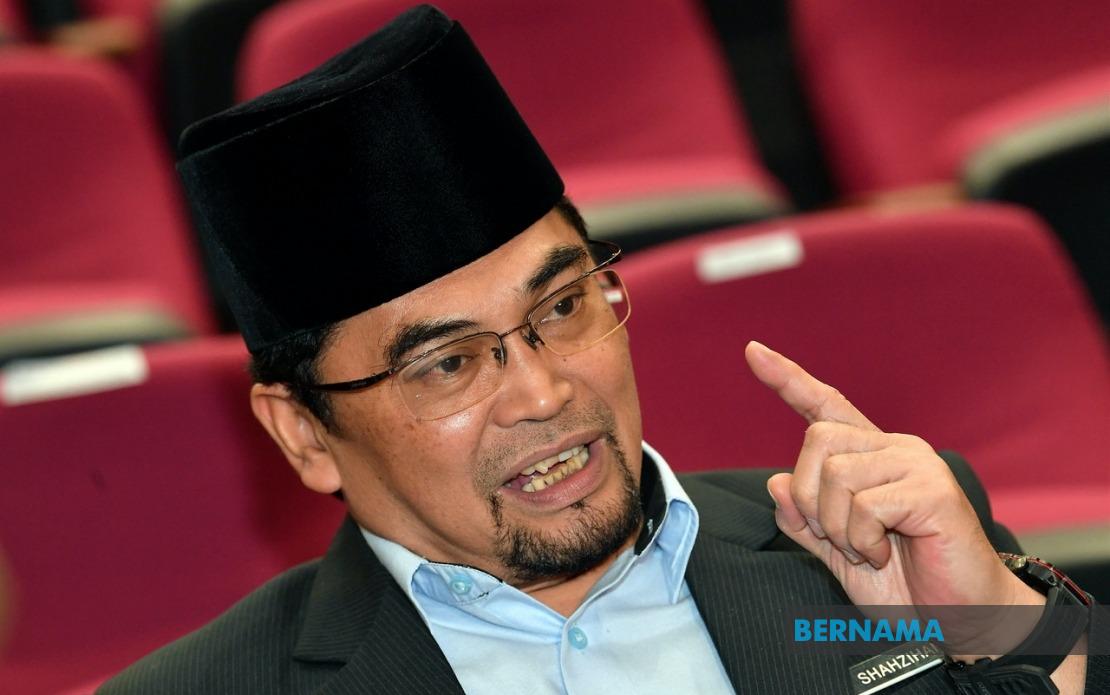
The Selangor Islamic Religious Department (JAIS) has signalled its commitment to implementing comprehensive safeguarding measures across the state's religious educational institutions, prompted by growing concerns over misconduct involving sexual offences. Speaking at the closing ceremony of Selangor's preparatory course for overseas-bound students in Shah Alam, Datuk Mohd Shahzihan Ahmad, the department's director, outlined plans being developed in consultation with relevant authorities to strengthen institutional protections and establish clearer boundaries between educators and pupils.
Central to the proposed reforms is a significantly tightened recruitment process for teaching staff at Islamic schools. Rather than relying on existing vetting mechanisms, JAIS is contemplating mandatory police clearance certificates as a prerequisite for employment—a standard measure that would align religious educational institutions with practices often seen in conventional schools and international best practice. The department recognises that thorough background verification represents a foundational layer in preventing individuals with criminal histories, particularly those with prior misconduct records, from gaining access to vulnerable populations within educational settings.
The implementation of enhanced screening protocols will require coordination between multiple stakeholders, particularly the School Registration Committee and law enforcement agencies. Mohd Shahzihan acknowledged that establishing such mechanisms demands careful planning with police to determine the most effective and efficient screening methodology. This collaborative approach reflects the complexity of institutional reform, where safeguarding measures must balance thoroughness with practicality, ensuring that vetting does not inadvertently create bottlenecks that delay legitimate hiring or divert resources from core educational functions.
Beyond recruitment standards, JAIS is developing comprehensive conduct guidelines that address the dynamics of teacher-student interactions within the religious school environment. These protocols seek to eliminate circumstances that might facilitate inappropriate relationships or create opportunities for exploitation. The proposed measures specifically target scenarios commonly associated with abuse dynamics—private meetings conducted outside normal operating hours, special treatment accorded to particular students, and memorisation sessions held in unsupervised or isolated locations. By establishing transparent expectations for legitimate professional conduct, the guidelines aim to create an institutional culture where deviation from accepted norms becomes immediately conspicuous.
The emphasis on stricter segregation reflects an acknowledgement that traditional Islamic educational frameworks, which often incorporate gender separation as a religious principle, require reinforcement through procedural safeguards. The proposed guidelines will delineate clear boundaries not only between male and female students but also establish protocols governing all adult-student interactions. Teachers, administrative personnel, and older students occupying positions of authority will be expected to maintain professional distance and ensure that any necessary interactions occur within contexts characterised by transparency and oversight. This multi-layered approach recognises that institutional safety depends on normalising scrutiny rather than treating supervision as exceptional.
The catalyst for these initiatives stems from reported allegations of sexual assault involving a teacher at a religious school in Selangor, an incident that was transferred to police investigation following state government intervention. While details of that specific case remain subject to legal proceedings, the incident has evidently prompted broader institutional reflection on systemic vulnerabilities. The department's proactive response suggests recognition that isolated policy interventions prove insufficient; rather, cultural and procedural transformation across the entire system is necessary to establish environments genuinely protective of students.
For Malaysian parents and guardians, particularly those enrolling children in religious educational institutions, these developments carry significant implications. The enhanced screening requirements and conduct guidelines should theoretically provide greater assurance regarding institutional diligence in protecting student welfare. However, the effectiveness of such measures ultimately depends on consistent implementation, staff training regarding the new protocols, and mechanisms for reporting suspected breaches without fear of institutional retaliation or social ostracisation. Transparency in how these guidelines are operationalised will prove crucial in building public confidence.
Within the broader Malaysian educational context, JAIS's initiatives align with growing recognition across various school sectors of the necessity for robust child protection frameworks. Public schools, private institutions, and boarding facilities have similarly grappled with developing safeguarding policies that acknowledge both institutional autonomy and child welfare imperatives. The religious school context presents distinctive challenges given the authority figures' spiritual status and the trust dynamics inherent in religious communities, which can inadvertently create environments where questioning authority becomes culturally fraught.
The implementation timeline and resource allocation for these measures remain to be finalised through discussions with the School Registration Committee and police. Questions persist regarding training requirements for existing staff, communication strategies to ensure parents understand new protocols, and mechanisms for independent oversight or auditing of compliance. Additionally, the effectiveness of police clearance requirements will depend on the comprehensiveness of criminal records databases and the timeliness of information updates, factors that have posed challenges in previous institutional reform efforts across Malaysia.
For Southeast Asian jurisdictions grappling with similar concerns about child safety in religious educational settings, JAIS's approach offers both lessons and cautionary considerations. The emphasis on systematic screening and clear conduct guidelines reflects international best practice, yet success depends on cultural acceptance and institutional commitment to implementation. The department's acknowledgement that guidelines alone prove insufficient—requiring instead integration with police cooperation and sustained oversight—demonstrates realistic understanding of safeguarding challenges.

