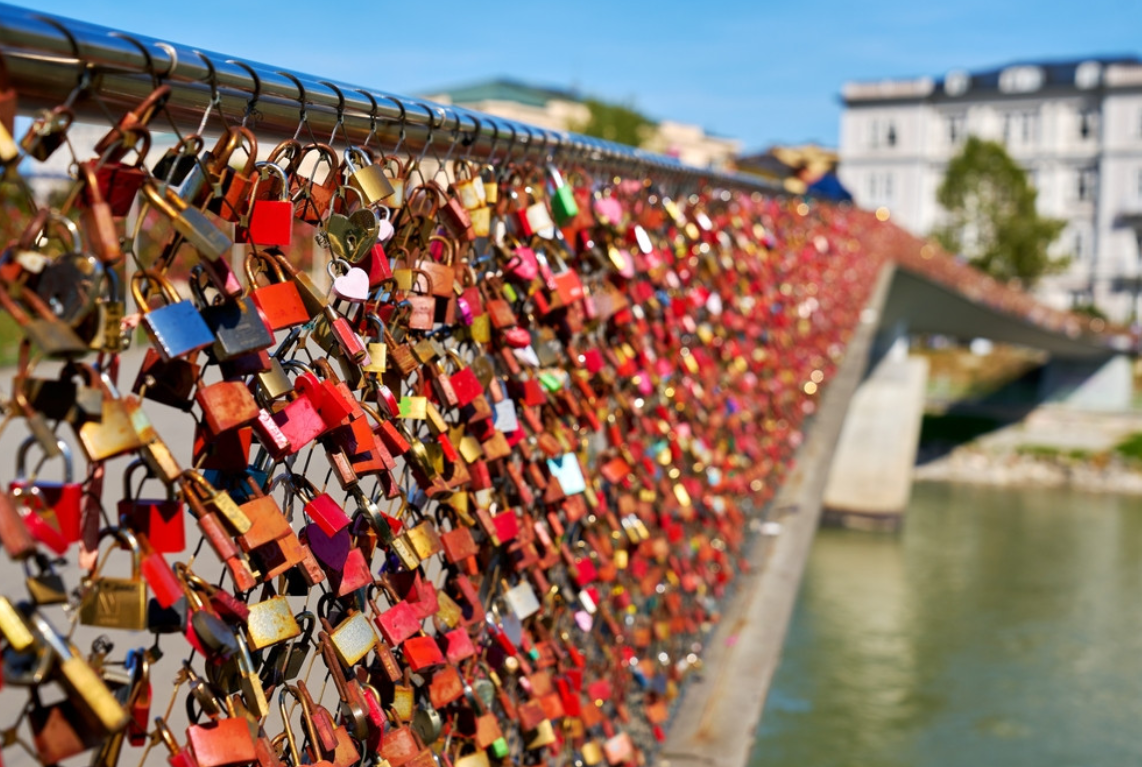
Jakarta's administration is charting a course that some see as misaligned with the city's most pressing needs. Governor Pramono Anung has proposed building three or four "love lock" bridges spanning the Cideng River alongside Jl. Rasuna Said, a major thoroughfare connecting to Jl. Kuningan Persada near the headquarters of the Corruption Eradication Commission. Drawing inspiration from similar installations in Paris and Seoul, the governor envisions the structures as spaces where young couples can attach padlocks and create colourful displays of romance. The Jakarta administration has earmarked Rp 91 billion—approximately US$5 million—from the city budget to revitalise the entire 3.8-kilometre stretch of road, which ranks among the capital's busiest highways. Beyond the romantic installations, this funds sidewalk renovations and the removal of deteriorating concrete monorail pillars abandoned decades ago from an early-2000s infrastructure venture.
Special gubernatorial staffer Cyril Raoul "Chico" Hakim has defended the project as part of a broader strategy to create what the administration terms a "romantic public space" with modern aesthetic design while maintaining pedestrian accessibility. However, the exact budget allocation for the bridge component remains unconfirmed, as the project lingers in preliminary planning stages pending detailed engineering specifications. This ambiguity itself reflects the tentative nature of the initiative, leaving observers uncertain about financial commitments and timelines.
The proposal has encountered considerable resistance from both ordinary Jakartans and professional observers who question whether this romantic gesture addresses the city's fundamental infrastructure shortcomings. Karlina, a 27-year-old office worker in the Mega Kuningan precinct, acknowledged the bridges might possess novelty value but expressed scepticism about their appeal to younger Jakartans, particularly given that the location sits within a commercial business district rather than an entertainment hub. She noted that spontaneous visits to the installation seemed unlikely, and suggested that the administration would better serve young residents by developing free, accessible gathering spaces connected to reliable public transportation networks—priorities that she identified as particularly important to Generation Z demographics.
Urban planning expert Trubus Rahadiansyah has been more pointed in his criticism, characterising the project as a "gimmick" that privileges symbolism over genuine functional improvements. He emphasised that the Jl. Rasuna Said corridor comprises predominantly vehicular traffic patterns rather than significant pedestrian movement, making it a fundamentally unsuitable location for initiatives targeting foot traffic. Instead of romantic bridges, Rahadiansyah advocates redirecting resources toward infrastructure where demand authentically exists and where improved safety saves lives.
The expert specifically referenced the catastrophic April collision in Bekasi, West Java, where a Commuter Line train struck the Argo Bromo Anggrek intercity service, resulting in sixteen fatalities and at least ninety-one injuries. Investigations revealed that the collision was triggered by a commuter train hitting an electric vehicle trapped at a level crossing, a scenario pointing to systemic safety failures across Jakarta's railway network. Rahadiansyah stressed that many railway crossings throughout the metropolitan area lack basic protective infrastructure including gates and proper bridging, creating recurring hazards that claim lives with predictable regularity. These life-or-death safety measures, he contended, represent genuine infrastructure priorities vastly outweighing aesthetic embellishments.
The philosophical divide between romantic beautification and utilitarian necessity has found articulation in the city council. Kevin Wu, a Jakarta councillor representing the Indonesian Solidarity Party (PSI), has publicly demanded transparent evaluation of the love lock bridge initiative. Wu framed his objection around equity principles, noting that residents across West, East, and North Jakarta neighbourhoods warrant equal development attention rather than concentrated investment in flagship projects unlikely to benefit the broader population. He specifically highlighted that foundational public amenities—properly maintained accessible sidewalks, genuinely safe pedestrian crossing infrastructure, and equitable distribution of green spaces—should command budget priority over installations designed primarily for visual impact or tourism appeal.
Wu's intervention reflects broader questions about municipal resource allocation in a sprawling megacity where basic infrastructure remains incomplete across numerous districts. The councillor warned against inadvertently signalling that iconic, attention-generating projects deserve precedence over unglamorous but essential public works that address residents' daily mobility and safety concerns. This tension between aspirational urban development and foundational service delivery recurs globally, yet takes particular significance in Jakarta where infrastructure deficits remain substantial and unequally distributed across the city's diverse neighbourhoods.
The love lock bridge proposal represents a broader phenomenon within Southeast Asian urban governance, where mayors and governors increasingly pursue distinctive, photographable projects intended to enhance city brand identity and attract young professionals and tourists. Similar initiatives flourish across the region's major cities, though critics argue such strategies sometimes reflect administrative preferences rather than authentic community needs. Jakarta's existing infrastructure challenges—from flooding vulnerabilities to congested public transportation networks to inadequate pedestrian facilities—suggest that the city's development capital might generate greater public value through less romantic but more essential investments.
The administrative response to these criticisms remains tentative. While Pramono Anung and his team have articulated the cultural and social aspirations motivating the love lock bridge concept, they have not directly addressed the opportunity cost calculations that Rahadiansyah, Wu, and ordinary residents raise. The project will likely proceed in some form, yet the public debate surrounding it reveals significant scepticism about whether Jakarta's resources align optimally with citizen welfare. For Malaysian observers monitoring governance patterns across Southeast Asia, the episode illustrates the persistent tension between city marketing ambitions and infrastructure realities that shapes development decisions throughout the region's metropolitan areas.

