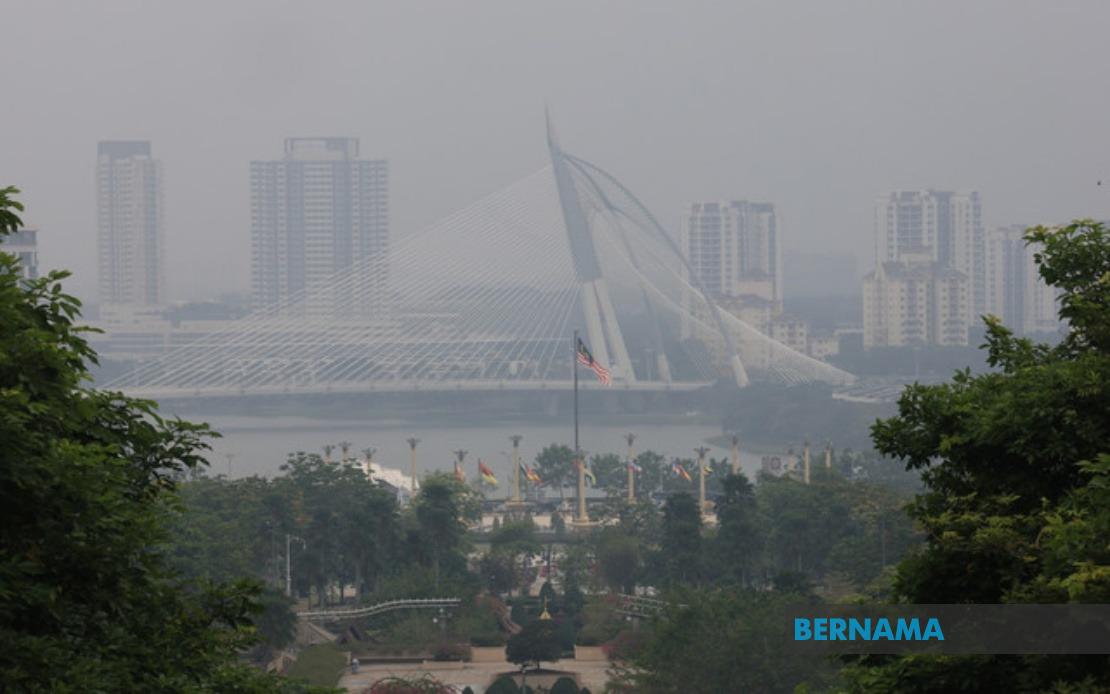
The Department of Islamic Development Malaysia will convene special prayers of petition at three prominent mosques this evening in response to the transnational haze crisis currently affecting the nation. The Solat Hajat gatherings, scheduled to commence following Maghrib prayers, will take place simultaneously at the National Mosque in Kuala Lumpur, the Putra Mosque in Putrajaya, and the Tuanku Mizan Zainal Abidin Mosque, also in the federal administrative capital. The coordinated devotional initiative represents a formal institutional response to environmental degradation that has once again disrupted daily life across multiple Malaysian jurisdictions.
JAKIM director-general Datuk Dr Sirajuddin Suhaimee characterised the prayer sessions as an opportunity for the Muslim community to petition the Almighty for intervention and relief from the atmospheric pollution crisis. In his statement, Dr Sirajuddin emphasised that the gatherings would serve as platforms for collective supplication seeking divine protection, restoration of public health, personal safety and broader social stability during what officials have framed as a period of acute environmental challenge. His remarks reflected the gravity with which religious authorities view the recurrent seasonal phenomenon that continues to plague the region.
The religious mobilisation follows explicit directives from two senior figures in Malaysia's governance architecture. Al-Sultan Abdullah Ri'ayatuddin Al-Mustafa Billah Shah, the Sultan of Pahang, had previously issued a call urging all Malaysians to engage in prayer and seek divine assistance for those directly impacted by haze-related suffering. Additionally, Dr Zulkifli Hasan, the Minister in the Prime Minister's Department overseeing religious affairs, had advocated for nationwide spiritual initiatives addressing the crisis. These parallel appeals from both constitutional monarchy and executive branch signalled consensus among Malaysia's institutional leadership regarding the appropriateness of organised religious response to the environmental emergency.
The timing of tonight's prayers comes as air quality readings have deteriorated markedly across the nation. As of early morning on August 26, monitoring stations recorded unhealthy Air Pollutant Index levels in 17 distinct geographical locations spread across six Malaysian states. The affected areas encompass Sarawak, Selangor, Negeri Sembilan, Johor, Melaka and Perak, with additional monitoring zones in the federal territories of Kuala Lumpur and Putrajaya registering concerning pollution concentrations. This geographic distribution underscores the transnational character of the haze phenomenon, which typically originates from agricultural burning practices in neighbouring Indonesia and traverses maritime boundaries to impact Malaysia's air quality.
The haze crisis remains one of the most persistent environmental challenges confronting Southeast Asia, recurring with predictable regularity during specific seasons. For Malaysian residents and policymakers, the phenomenon represents an intersecting environmental, public health and diplomatic concern that defies easy resolution through unilateral action. The respiratory health impacts extend across all demographic groups, though vulnerable populations including children, elderly citizens and those with pre-existing respiratory conditions face elevated risk during episodes of severe air pollution. Economic disruptions similarly ripple through affected communities as air quality advisories prompt school closures, workplace adjustments and modifications to outdoor activities.
The decision by JAKIM to organise institutional prayer sessions reflects how Malaysia's governance structures integrate religious and secular dimensions when addressing societal challenges. Rather than positioning spiritual response as alternative to technical or diplomatic interventions, the religious establishment frames collective prayer as complementary to ongoing environmental monitoring, public health guidance and regional negotiations aimed at reducing transboundary pollution sources. This approach acknowledges that Malaysian communities maintain diverse psychological and spiritual frameworks for processing environmental stress, and that religious institutions consequently occupy significant social roles in responding to communal crises.
For Malaysian Muslims, the Solat Hajat carries particular spiritual significance beyond its immediate atmospheric context. The prayer form represents an established Islamic practice invoking divine intervention during periods of difficulty or uncertainty. By institutionalising tonight's gatherings at three symbolically important mosques, JAKIM signals that haze-related environmental degradation merits the same spiritual gravity traditionally accorded to medical emergencies, natural disasters or other acute threats to community wellbeing. The choice of venues—encompassing the iconic National Mosque and federal capital religious facilities—amplifies the message that this environmental challenge demands nationwide attention and collective spiritual response.
From a policy perspective, the prayer initiative coexists with other governmental strategies addressing haze mitigation. Malaysia maintains ongoing diplomatic engagements with Indonesia regarding agricultural burning practices, participates in regional monitoring and information-sharing arrangements, and implements domestic air quality management protocols including public health alerts and restrictions on outdoor activities during severe pollution episodes. Environmental and health ministries continue deploying technical expertise to track pollution sources and forecast trajectory patterns. The religious mobilisation thus represents institutional acknowledgment that technical and diplomatic measures, while necessary, operate within a broader context where affected citizens seek meaning-making frameworks and collective expressions of resilience during environmental stress.
The broader significance of tonight's prayers extends beyond immediate atmospheric concerns to reflect how Malaysian society negotiates environmental governance through multiple institutional channels. As climate disruption and transnational pollution increasingly characterise the regional environment, societies must integrate traditional knowledge systems, spiritual practices, scientific expertise and diplomatic negotiation into comprehensive response architectures. Malaysia's approach—wherein religious authorities organise collective prayer while technical agencies implement monitoring and government undertakes regional negotiations—illustrates one model for holistic crisis response that acknowledges both rational problem-solving and deeper human needs for meaning and community solidarity during environmental adversity.

