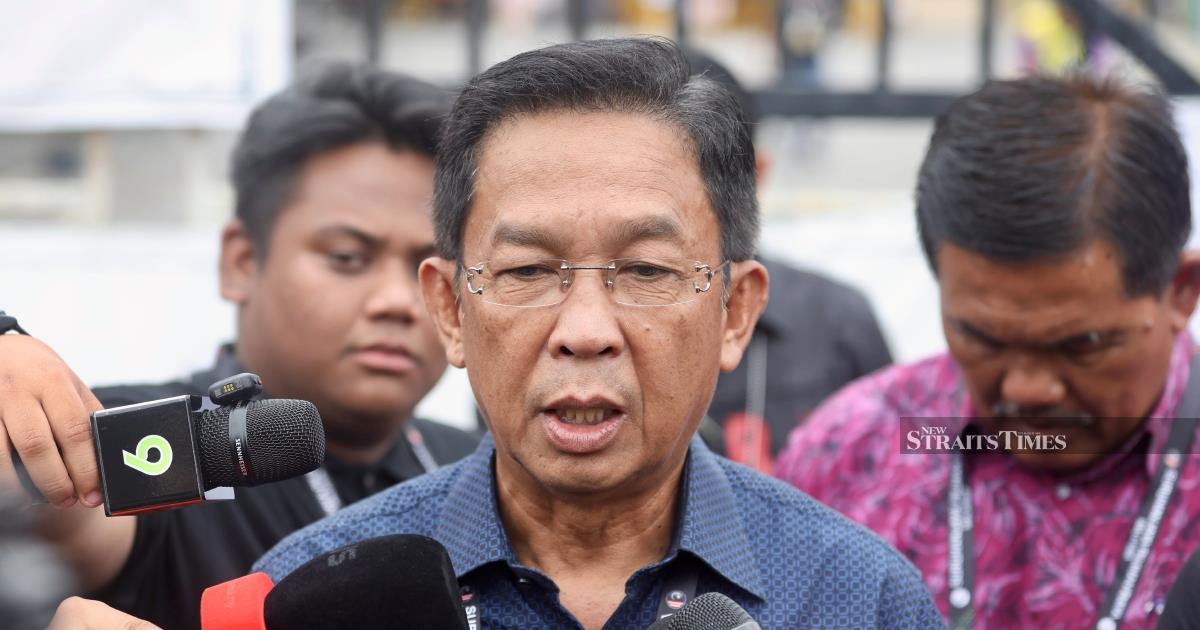
Datuk Seri Jalaluddin Alias, chairman of the Negri Sembilan Umno Liaison Committee, has moved to address questions surrounding his non-attendance at yesterday's menteri besar swearing-in ceremony held at Istana Besar Seri Menanti. Speaking in Seremban, Jalaluddin attributed his absence to the limited notice provided before the formal occasion, suggesting the scheduling left insufficient time for him to arrange his participation.
The clarification arrives against a backdrop of heightened scrutiny on political proceedings in Negri Sembilan, where ceremonial events involving state leadership typically draw prominent party figures and stakeholders. Such formal functions serve as key moments for political visibility and party unity signalling, making the attendance or absence of senior figures subject to public and party interpretation. Jalaluddin's prompt explanation reflects broader sensitivities around optics within Umno's leadership structures, particularly in contexts where faction-related tensions or rival camps might read political meaning into participation levels.
The Negri Sembilan portfolio occupies considerable importance within national Umno politics, given the state's historical significance to the party and its contribution to parliamentary seats during federal elections. Senior committee positions like Jalaluddin's carry expectations of visible engagement with major state functions, particularly those marking transitions in executive leadership. The menteri besar swearing-in ceremony represents precisely the kind of high-profile occasion where the party's organisational hierarchy is typically on display, making individual absences notable to party members and observers.
Jalaluddin's statement appears designed to preempt speculation about whether his absence signalled any underlying tensions or disagreements within state-level party structures. In Malaysian political culture, where symbolic presence at official functions often carries interpretive weight beyond the immediate event, proactive clarification serves an important function in managing perception. By framing his non-attendance as a logistical matter rather than a deliberate choice, the senior Umno figure has attempted to depoliticise what might otherwise have generated internal party gossip or media commentary about factional alignments.
The incident highlights how even routine ceremonial absences in Malaysian politics can trigger questions and require explanation, reflecting the densely coded nature of political signalling within the country's party systems. Where Western democracies might treat such matters as administrative inconveniences, Malaysia's political culture often invests ceremonial participation with deeper meaning. This pattern reflects the highly personalised nature of Malaysian political networks and the importance placed on visible loyalty and engagement within hierarchical party structures.
For Negri Sembilan specifically, maintaining harmonious appearances within the Umno apparatus remains strategically important. The state has experienced periods of political competition and transition in recent years, with party leadership changes often accompanied by recalibration of support networks and factional positioning. Jalaluddin's role in coordinating Umno activities across the state places him at a critical junction within these networks, making his participation in state-level functions a matter of organisational significance.
The timing of swearing-in ceremonies frequently depends on coordination between multiple parties including the state palace, federal authorities, and the incoming menteri besar's office. While Jalaluddin's explanation blames insufficient advance notice, such scheduling pressures are routine in Malaysian governance, particularly when transitions occur following elections or political developments. Whether the notification period fell genuinely short of reasonable expectations or whether other factors influenced the decision remains unclear from his public statement.
Umno's state liaison committees function as important organisational structures that coordinate party activities, oversee member relations, and serve as focal points for state-level political management. Committee chairmen typically occupy senior positions within state party hierarchies, making their visibility at major functions part of their expected role. The committee's involvement in government transitions and leadership ceremonies underscores its significance within the formal party apparatus.
Moving forward, such incidents are unlikely to constitute lasting political concerns for Jalaluddin or broader Negri Sembilan Umno structures unless they emerge as part of broader patterns reflecting internal division or organisational dysfunction. Malaysian political observers will monitor whether this represents an isolated scheduling matter or signals any emerging tensions within state leadership ranks. For now, Jalaluddin's explanation appears to have addressed the immediate question, allowing all parties to redirect focus towards governing priorities and implementation of state-level policies under the new menteri besar's administration.

