A fatal vehicular accident in Hyderabad has placed the son of Jana Sena Party MP Lingamaneni Ramesh at the centre of a criminal investigation and emerging political row. Lingamaneni Sanjush, 21, has been granted station bail by police following the August 16 collision in which an Aston Martin allegedly under his control struck and killed Bharati Mukhi, a 26-year-old employee at the Lifestyle retail outlet within Inorbit Mall. The granting of bail to an accused in what police classify as a fatal accident case has already drawn sharp criticism from opposition quarters, underscoring the intersection of privilege, legal procedure, and public accountability in India's handling of high-profile incidents.
The incident unfolded in the afternoon hours outside the Inorbit Mall premises in the Madhapur area of the city. Bharati and her colleague Pooja Ashok had ventured to a nearby ITC Kohenur establishment to procure their meal. During their return journey to the mall, Bharati stepped into traffic to cross the road when the luxury vehicle collided with her. Eyewitnesses and police investigations point to excessive speed and reckless driving as contributing factors to the collision. The impact proved catastrophic; Bharati sustained severe head trauma requiring immediate hospitalisation at Apollo Hospital in Jubilee Hills, where medical professionals pronounced her dead within hours of arrival.
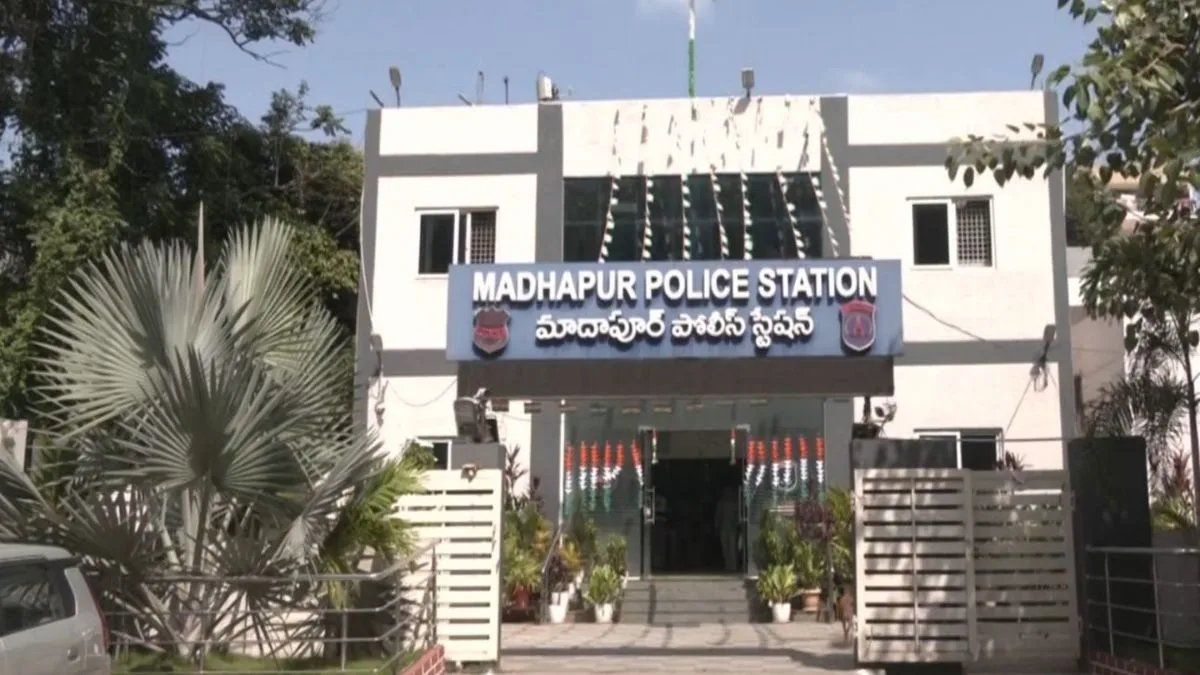
Following standard procedure in traffic fatality investigations, authorities at Madhapur Police Station registered a formal case against Sanjush under Section 106(1) of the Bharatiya Nyaya Sanhita, which addresses death caused by negligent or rash acts. Police apprehended Sanjush on the same day of the incident. The accused underwent mandatory sobriety and substance testing procedures, with blood samples subsequently dispatched to the Forensic Science Laboratory for detailed toxicological examination. Investigators have retained the vehicle as physical evidence, and the post-mortem examination report remains pending as part of the ongoing investigative process.
The decision to release Sanjush on station bail—a procedure permitting release directly at a police station rather than through court proceedings—represents a routine administrative measure in many investigation protocols. However, the Madhapur police authorities also served Sanjush with a notice under Section 35(3) of the Bharatiya Nagarik Suraksha Sanhita, a provision indicating that formal investigation procedures remained ongoing. A senior police official from the Madhapur station confirmed these procedural actions, stating that the section 35(3) notice and bail arrangement constituted standard investigative steps rather than case closure.
The apparent low-profile handling of the case has triggered significant political backlash. The YSRCP, through national spokesperson Karthik Yellapragada, levelled accusations that authorities had deliberately downplayed or suppressed the incident. Yellapragada highlighted that nearly five days elapsed between the August 16 registration of the FIR and any substantial public or political commentary, alleging a deliberate information blackout designed to protect politically connected individuals. The YSRCP spokesperson further suggested that coordination between state government leadership represented a factor behind the muted official response.
Yellapragada's statements reflected wider suspicions about differential legal treatment based on political or economic standing. He questioned whether investigation protocols typically applied to ordinary citizens had been modified in this instance, and he demanded immediate justice for Bharati's family and accountability from investigating authorities. The spokesperson's invocation of alleged understanding between Chief Minister Revanth Reddy and former Chief Minister Chandrababu Naidu pointed to larger questions about inter-party arrangements potentially influencing criminal investigations. Though these allegations remain unsubstantiated by official evidence, they capture persistent public concerns regarding privilege and impunity in high-profile cases.
For Malaysian observers and regional policymakers, this incident illuminates persistent challenges in traffic law enforcement across South Asia. The involvement of a luxury vehicle and a politically connected accused party mirrors concerns familiar to Southeast Asian audiences regarding equal application of traffic safety regulations. Questions about investigation transparency, bail procedures in fatal collision cases, and the political dimensions of criminal prosecution resonate with ongoing debates in Malaysia and neighbouring jurisdictions about accountability and procedural fairness. The engagement of opposition parties in monitoring investigation conduct suggests broader institutional awareness regarding public perception of justice.
The case also highlights vulnerabilities faced by working-class individuals in commercial establishments. Bharati's status as a retail employee returning from a routine task underscores the random and devastating consequences that traffic negligence can inflict upon ordinary citizens. Her family must navigate both personal tragedy and an investigation now entangled with political controversy, complicating the pursuit of justice with questions about whether the deceased's social and economic standing influences investigative priority and public attention.
As investigations progress, several procedural questions remain unresolved. The Forensic Science Laboratory's toxicology findings may clarify whether substance use contributed to the collision. Post-mortem examination details could illuminate the circumstances more precisely. Police recovery of surveillance footage from the mall vicinity might provide objective documentation of vehicle speed and driving behaviour. These technical investigations will ultimately determine whether charges proceed or whether current procedural measures suffice in the legal system's response to the tragedy.
The political dimensions of this case extend beyond immediate accusations. The manner in which authorities manage investigations involving politically connected individuals significantly influences public confidence in judicial institutions. Whether the investigation proceeds with rigorous impartiality, and whether findings and any subsequent legal proceedings demonstrate consistency with established protocols, will substantially shape perceptions of institutional integrity. For the Jana Sena Party and its leadership, the incident presents a reputational challenge requiring visible commitment to transparent and accountable investigation processes. The coming weeks and months will reveal whether procedural actions taken thus far represent the preliminary steps of a thorough inquiry or constitute the entirety of the state's response to the fatal collision.

