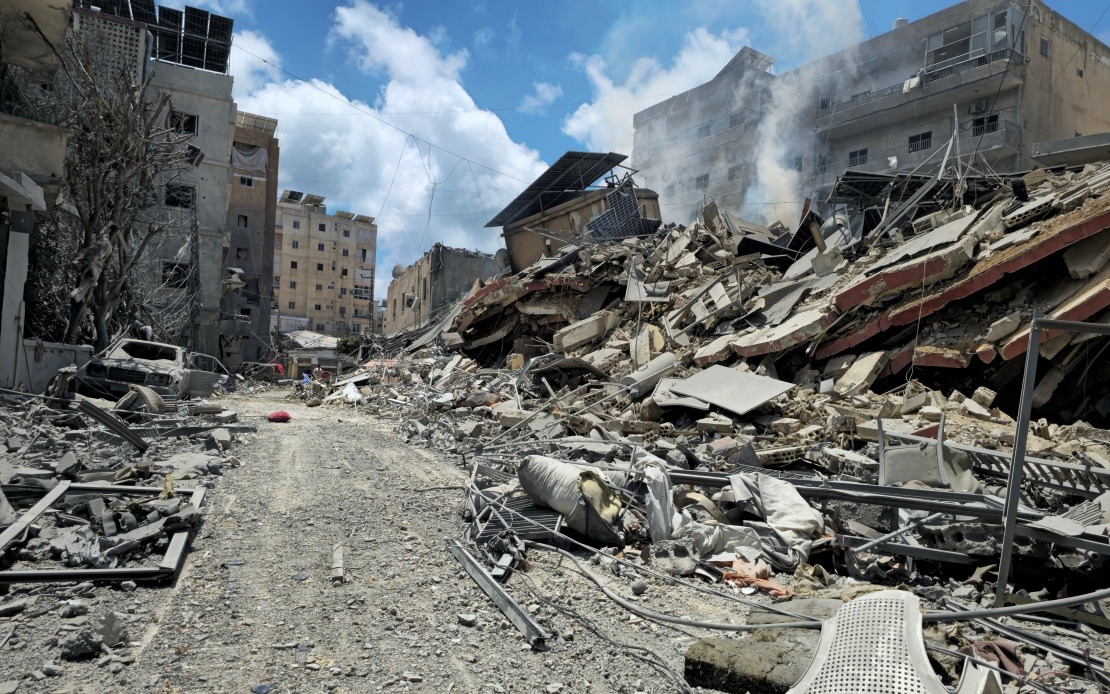
Japan has announced a US$15 million emergency humanitarian aid package targeting three countries grappling with severe humanitarian crises across West Asia. Foreign Minister Toshimitsu Motegi disclosed the decision on Friday, emphasizing Tokyo's commitment to alleviating urgent suffering in a region of strategic importance to Japan's interests and regional stability. The allocation represents Japan's direct response to escalating humanitarian emergencies that have displaced populations, disrupted medical systems, and created acute shortages of essential supplies across the affected territories.
The largest portion of the assistance, approximately US$10 million, will flow to Iran, which faces compounding challenges from economic pressures and displacement issues. Lebanon will receive roughly US$4 million, addressing the country's deepening economic collapse and its impact on vulnerable populations, including the substantial Syrian refugee community that has strained the nation's already fragile public services. The remaining US$1 million is designated for Palestinians residing in the West Bank, where humanitarian conditions have deteriorated amid ongoing conflict and restrictions on movement and resources.
Motegi underscored during the announcement that peace and stability in the Middle East remain fundamentally vital to Japan's own strategic calculations and broader Asian interests. Japan has long recognized that instability across West Asia reverberates through global energy markets, shipping lanes, and international security arrangements in ways that directly affect East Asia. The funding reflects Tokyo's pragmatic assessment that containing humanitarian crises through timely assistance can contribute to preventing further destabilization that might necessitate more costly interventions later.
The aid will be delivered through established international organizations rather than bilateral channels, a structural choice that reflects both practical considerations and Japan's preference for working within multilateral frameworks. This approach allows rapid deployment through organizations already present on the ground with established delivery mechanisms and local expertise. It also insulates Japan from some of the political sensitivities that accompany direct bilateral aid to certain recipients, a consideration particularly relevant given Japan's careful balancing act between Western allies and regional powers.
The package explicitly targets humanitarian needs through the provision of food, medical supplies, and related assistance that addresses immediate survival requirements rather than longer-term development or reconstruction. This narrow focus on humanitarian relief reflects the acute nature of current crises, where populations face immediate threats to food security and access to healthcare. The emphasis on medical supplies particularly addresses the collapse of healthcare systems in several affected areas, where shortages of essential medications and equipment have created life-threatening conditions for vulnerable groups including children, the elderly, and those with chronic illnesses.
Motegi's remarks acknowledging persistent humanitarian challenges across the region underscore Japan's awareness of the systematic nature of these crises rather than viewing them as isolated incidents. The statement reflects Japan's understanding that Middle Eastern instability produces cascading humanitarian consequences affecting multiple countries simultaneously, creating regional pressures that eventually affect global stability. From Tokyo's perspective, proactive humanitarian engagement serves dual purposes: demonstrating compassion while simultaneously advancing Japan's interests in regional de-escalation and predictability.
For Southeast Asian nations including Malaysia, Japan's humanitarian initiative carries multiple implications. First, it demonstrates Japan's continued active role in Middle Eastern affairs despite focusing primary strategic attention on Indo-Pacific security challenges. This engagement pattern suggests Japan sees West Asian stability as intrinsically linked to broader regional peace. Second, the allocation signals that major Asian economies recognize a responsibility for humanitarian burden-sharing in global crises, potentially creating expectations for similar contributions from other regional powers. Malaysia and other ASEAN nations might face increasing pressure to demonstrate comparable humanitarian commitments.
The decision also reflects Japan's sophisticated understanding of how humanitarian crises in distant regions can generate secondary effects across global supply chains, refugee movements, and radicalization pathways that eventually reach Asia. By addressing root humanitarian causes in West Asia, Japan aims to prevent larger-scale displacement and instability that could produce migration pressures affecting Southeast Asian countries already hosting substantial numbers of refugees and displaced persons. This preventive dimension adds strategic weight to what might otherwise appear as purely altruistic aid.
Motegi's commitment to continued cooperation with relevant nations and international organizations signals that this aid package represents a starting point rather than Japan's final position on the humanitarian crisis. As situations evolve in Iran, Lebanon, and the Palestinian territories, Japan likely intends to remain engaged, adjusting assistance levels and modalities in response to ground realities. This posture positions Japan as a serious humanitarian actor willing to sustain engagement over time rather than offering one-off assistance and withdrawing attention.
The timing of the announcement, occurring as international attention fluctuates regarding Middle Eastern crises, also underscores Japan's willingness to maintain focus on humanitarian emergencies that international media cycles might otherwise eclipse. By formally announcing substantial assistance, Japan ensures that ongoing suffering in these regions remains on the international agenda, potentially encouraging other donor nations to increase their contributions and keeping diplomatic pressure on relevant parties to facilitate humanitarian access.
For Malaysian observers, Japan's approach offers instructive lessons regarding how middle powers can navigate complex geopolitical environments while maintaining humanitarian commitments. Japan demonstrates that nations need not choose between pragmatic strategic interests and genuine humanitarian concern, successfully threading this needle through multilateral delivery mechanisms and carefully calibrated public messaging. The allocation pattern also reflects sophisticated prioritization, with larger amounts directed toward countries facing systemic crises rather than equal distribution, suggesting that Japan bases decisions on evidence of need rather than political considerations alone.

