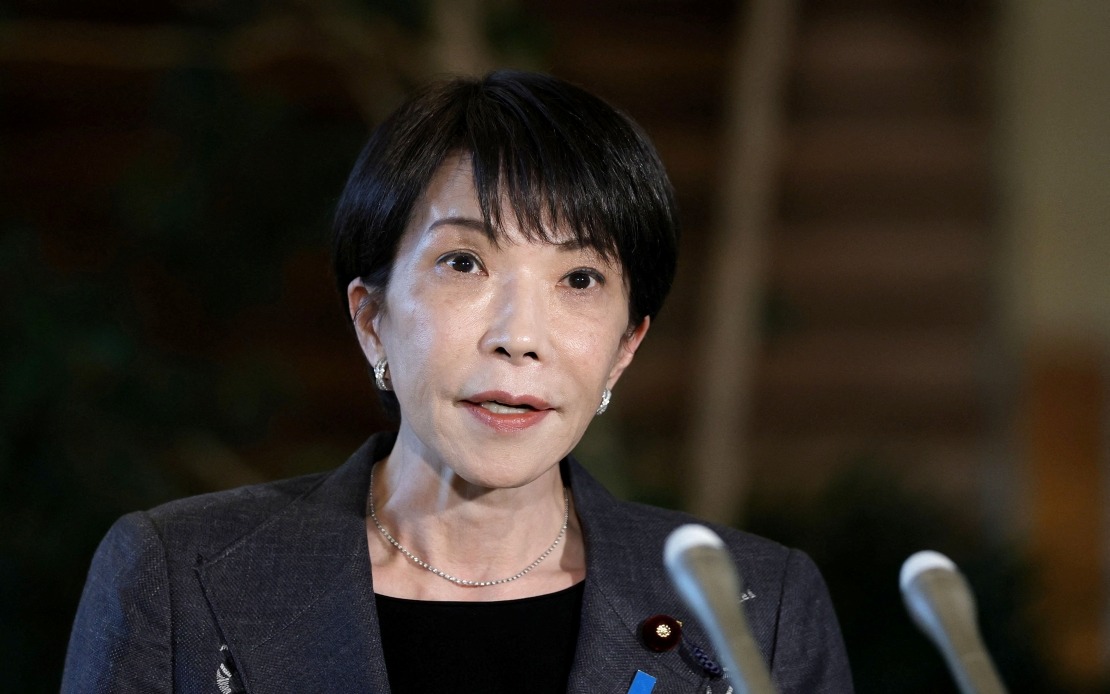
Japanese Prime Minister Sanae Takaichi has observed the nation's commemoration of the 81st anniversary of World War II's end through an indirect gesture towards one of East Asia's most contentious religious sites. Rather than making a physical visit to the Yasukuni shrine in Tokyo on Saturday, the conservative leader arranged for a ritual offering to be presented at the location, financed personally through her capacity as president of the ruling Liberal Democratic Party. This measured approach reflects the delicate diplomatic balancing act that Tokyo must navigate when addressing its wartime legacy, particularly given the profound sensitivities held by neighbouring nations who endured Japanese imperial aggression.
While Takaichi maintained distance from a direct shrine visit, Defence Minister Shinjiro Koizumi travelled to the site in person, becoming the first serving defence minister in a year to do so on August 15. Koizumi's appearance marked a significant moment within Japan's security establishment, signalling the government's commitment to honouring its war dead despite international repercussions. The deputy minister's visit follows a pattern established by his predecessor Minoru Kihara, who made a similar pilgrimage on the same date last year before ascending to his current role as chief Cabinet secretary. Alongside Koizumi, Cabinet member Hitoshi Kikawada, who oversees matters pertaining to the Northern Territories, also paid respects at the shrine, using the occasion to assert historical positions on territorial matters.
The Yasukuni shrine occupies a uniquely polarising position within Japan's national consciousness and regional diplomacy. The sanctuary enshrined 14 wartime leaders as deities during 1978, transforming them into objects of veneration within the Shinto tradition. Among these figures are individuals convicted as Class-A war criminals by international tribunals, including General Hideki Tojo, who served as wartime prime minister before his 1948 execution for crimes against peace. This institutional decision to enshrine individuals whom the Allied powers held accountable for atrocities continues to generate profound friction with governments and societies across East Asia that suffered under Japanese occupation and colonial rule.
China and South Korea remain particularly vocal critics of any official Japanese engagement with Yasukuni, viewing such visits as efforts to rehabilitate or minimise historical wrongdoing. Japan's occupation of extensive Chinese territories by war's end and its colonisation of the Korean Peninsula spanning from 1910 to 1945 remain unhealed wounds within these societies. When Japanese politicians or state officials make pilgrimages to the shrine, Beijing and Seoul interpret such actions as implicit challenges to their narratives of historical victimisation and calls for regional accountability. These diplomatic tensions have repeatedly flared whenever prime ministers have visited the site, creating cycles of protest and official condemnation that complicate broader regional engagement.
Takaichi's calculated restraint in avoiding a personal visit likely reflects lessons from her predecessors and awareness of the reputational costs such journeys incur. Since assuming the premiership in October, she has abstained from physically attending Yasukuni on significant commemorative occasions, despite maintaining the practice during her tenure as an ordinary parliamentarian. Her decision to delegate the offering through party channels rather than state machinery suggests an attempt to distinguish between personal religious observance and governmental representation. This distinction, however subtle, may provide diplomatic cover while still signalling the LDP's ideological continuity and its base's expectations regarding nationalist commemoration.
Other senior party figures demonstrated no such reservation. Liberal Democratic Party Secretary General Shunichi Suzuki, General Council head Haruko Arimura, and Election Strategy Committee chair Yasutoshi Nishimura all visited the shrine personally on August 15. Their collective presence underscores the party's deep institutional ties to nationalist constituencies and the shrine's enduring symbolic importance within conservative political circles. These figures represent the policy-making apparatus of Japan's governance, and their shrine visits communicate unmistakable signals to both domestic supporters and foreign observers about the government's historical positioning.
Japan's postwar trajectory has centred on institutional commitment to pacifism enshrined within its war-renouncing Constitution, a framework that has defined the nation's international identity for nearly eight decades. Yet contemporary security dynamics have prompted fundamental recalibration of this foundational principle. Responding to what Tokyo characterises as an increasingly grave security environment driven by regional military buildups and geopolitical competition, Japan has substantially expanded defence expenditures and accelerated capabilities development. This apparent contradiction between constitutional pacifism and assertive military modernisation reflects the strategic pressures confronting Tokyo in a multipolar Asian order.
For Malaysia and Southeast Asia more broadly, Japan's Yasukuni deliberations carry significance beyond ceremonial considerations. The region's delicate balance hinges partly on Japan's ability to maintain stable relationships with China and South Korea while continuing its security partnerships with Western powers and regional neighbours. Any escalation of historical grievance disputes risks destabilising the broader framework of regional cooperation that underpins Southeast Asian prosperity and security. Malaysia, as both a trading partner deeply integrated with Japanese manufacturing networks and a nation sensitive to colonialism's legacies, watches these developments with particular interest. Historical reconciliation remains an incomplete project across East Asia, and unresolved tensions over Yasukuni demonstrate how effectively past conflicts can obstruct contemporary cooperation.
The shrine controversy also illustrates broader tensions within Japan between honouring military sacrifice and acknowledging historical accountability. Many Japanese citizens genuinely view Yasukuni as a legitimate space for commemorating the war's victims without necessarily endorsing militarism or denying wartime wrongdoing. This domestic complexity remains poorly understood internationally, where shrine visits are frequently interpreted as categorical rejections of historical responsibility. The gap between Japanese popular understanding and international perception creates persistent diplomatic friction that Japanese governments must navigate without satisfactory resolution.
Looking forward, Takaichi's approach of ritual offerings without prime ministerial attendance may represent an attempted formula for managing competing domestic and international pressures. Whether this middle path proves sustainable depends on whether regional powers interpret such gestures as meaningful restraint or merely cosmetic adjustments masking unchanged positions. The continuing salience of Yasukuni in Japanese politics suggests these tensions will periodically resurface, particularly during significant commemorative occasions. For policymakers across East Asia and the broader Indo-Pacific region invested in stability, the shrine's enduring capacity to generate controversy underscores how historical consciousness continues shaping contemporary international relations.

