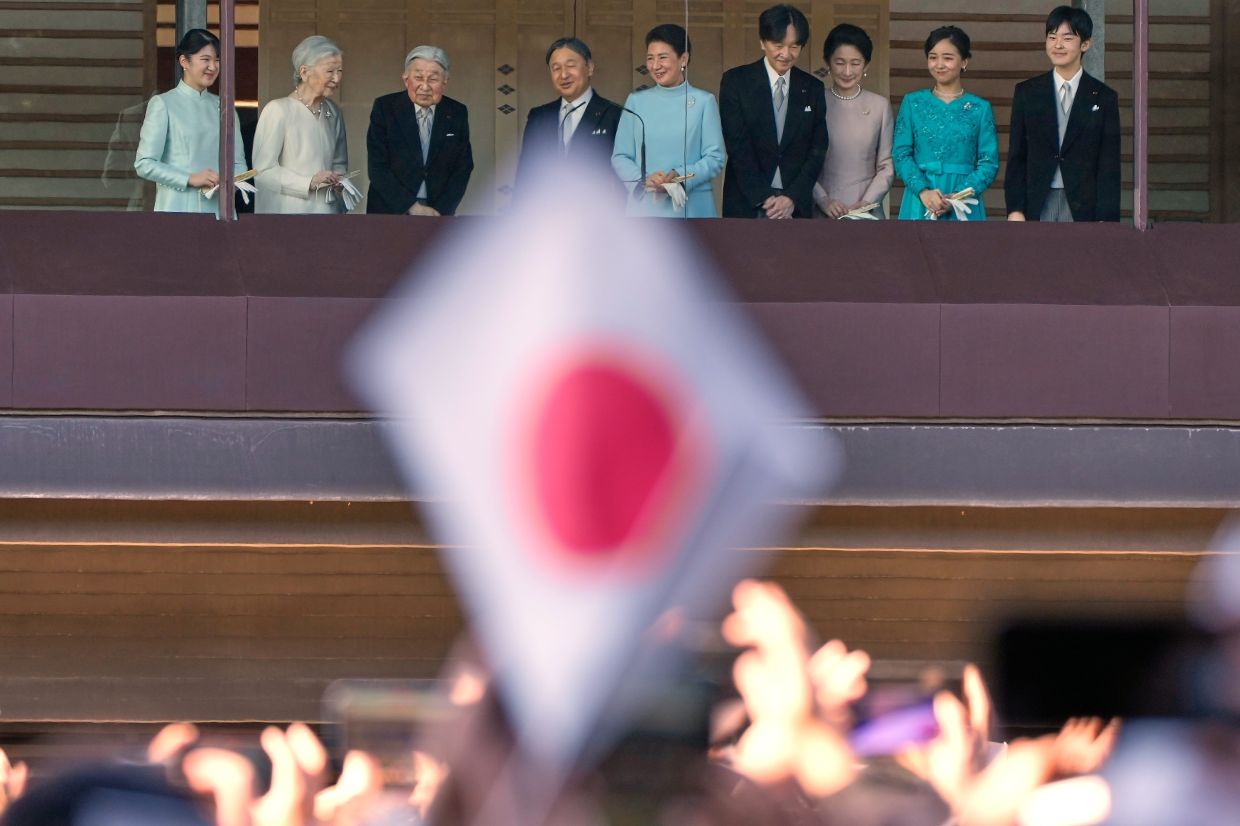
Japan's parliament has moved to address mounting succession pressures within the imperial family by enacting legislative changes on Friday, though the decision stops short of the constitutional reform many observers and citizens have called for. The upper house passed the bill by overwhelming margins, adjusting rules that have governed the Chrysanthemum Throne since 1947, but the reforms deliberately preserve the male-only succession system that has defined the monarchy for generations. The outcome reflects ongoing tensions between modernisation pressures and traditionalist preferences within Japan's conservative political establishment, particularly under Prime Minister Sanae Takaichi, the nation's first female leader, who has publicly opposed allowing women to assume the imperial throne.
The urgency behind these changes stems from a genuine demographic crisis threatening the continuity of Japan's imperial lineage. Prince Hisahito, now 19 years old and the nephew of Emperor Naruhito, represents the sole male heir to the throne in the direct line of succession. Currently a student focused on biology and entomology, Hisahito remains unmarried with no prospects of producing an heir in the near term. Should he fail to father a son, the imperial succession would face a fundamental rupture, as the existing legal framework provides no mechanism for passing the throne through the female line or extending the bloodline through his sisters. This scenario has prompted lawmakers to search for alternative solutions within the existing constitutional parameters, leading to the adoption mechanism now written into law.
The revised legislation permits the imperial household to formally readmit distant male relatives who separated from the royal register following World War II, provided they have reached 15 years of age and remain unmarried at the time of their adoption. This mechanism theoretically expands the pool of potential successors beyond the immediate family circle, potentially securing the imperial line for future generations. Additionally, the new rules grant women enhanced status within the imperial institution by allowing them to retain their royal standing even after marrying commoners—a provision already extended to male family members but conspicuously absent for females until now. Yet these modifications, while substantive in procedural terms, represent a conservative approach that deliberately sidesteps the more transformative reform of permitting female succession.
The decision to maintain the male-only succession rule directly contradicts demonstrated public sentiment. An Asahi Shimbun opinion survey conducted in May revealed that 72 percent of Japanese respondents supported amending the law to allow women to ascend the throne, indicating substantial grassroots backing for constitutional reform. This polling data underscores a significant disconnect between what ordinary citizens regard as appropriate governance for a contemporary monarchy and the legislative choices made by parliament's conservative majority. The gap between public preference and legislative outcome highlights the enduring influence of traditionalist ideology within Japan's ruling Liberal Democratic Party, where resistance to female succession remains a litmus test of cultural conservatism.
Princess Aiko, the 24-year-old daughter of Emperor Naruhito, has emerged as a focal point in the succession debate. Intelligent, educated, and popular among the Japanese public, Aiko represents a plausible and widely acceptable heir to the throne. Under the current legal framework, however, she remains constitutionally ineligible regardless of her personal capabilities or the nation's preferences. Similarly excluded are Hisahito's two elder sisters, whose gender alone disqualifies them from imperial inheritance despite their closer proximity to the direct line than many male relatives who might be readmitted under the new adoption provisions. This conspicuous exclusion has prompted criticism even from within establishment circles.
Veteran Liberal Democratic Party politician Seiichiro Murakami articulated rare institutional dissent following the bill's passage through the lower house on July 10, characterising the exclusion of Aiko as "utterly outrageous" and signalling that meaningful opposition to the succession framework persists within the ruling coalition. Such public statements from senior party members suggest that the decision to preserve male-only succession may not reflect unanimous support even among conservatives, though it proved sufficient to command parliamentary majorities. The legislative process involved considerable internal negotiation within the LDP, indicating that pressure for female succession reform created substantive debate within party deliberations, even if traditionalist positions ultimately prevailed.
Criticism of the legislative compromise has extended beyond individual politicians to major media institutions. The Yomiuri Shimbun, Japan's highest-circulation newspaper and typically a consistent supporter of the Liberal Democratic Party's policy agenda, published an editorial criticising the government's decision to reject female succession. This editorial stance from an establishment publication signals that the succession question has transcended partisan politics and entered broader national discourse about Japan's constitutional future. The willingness of traditionally aligned media to question the ruling party's approach on such a culturally sensitive issue underscores the shifting landscape surrounding imperial succession.
Practical obstacles to the readmission strategy became apparent when former imperial family member Asahiro Kuni, an 81-year-old who left the imperial register after World War II as part of the postwar reforms, publicly expressed scepticism about the adoption mechanism. Kuni, connected to one of the 11 imperial branch families that separated from the imperial institution in the aftermath of 1945, suggested that realistic assessment of life within the imperial household would discourage modern individuals from accepting readmission. He told the Asahi Shimbun that individuals raised with the "freedom" enjoyed by ordinary citizens would face insurmountable difficulty adapting to the restrictive protocols governing imperial existence. His commentary highlighted that the imperial system's institutional demands—its rigid ceremonial requirements, constrained personal autonomy, and public scrutiny—might render the readmission option theoretically available but practically unworkable.
The current imperial household comprises only 16 members in total, including just five males: the 92-year-old retired emperor Akihito, his 90-year-old brother, the serving Emperor Naruhito aged 66, Naruhito's brother, and the young Prince Hisahito. This extremely limited demographic base represents the immediate succession challenge, with no additional male heirs apparent in the near term. The smallness of this circle underscores why the succession question has acquired such urgency and why expanding potential heir pools has become a legislative priority. Yet the adoption mechanism, even if successfully implemented, cannot guarantee that suitable candidates will emerge or accept positions within the imperial family.
The succession dilemma facing Japan reflects broader questions about how traditional monarchical institutions adapt to contemporary governance expectations and demographic realities. The decision to preserve male-only succession while implementing procedural reforms represents a characteristically Japanese compromise—substantive change in operational mechanics without fundamental constitutional transformation. However, this incremental approach leaves unresolved the core tension between traditional succession principles and modern concepts of gender equality. For Malaysia and other Southeast Asian nations with their own monarchical institutions, Japan's legislative approach offers instructive lessons about the institutional challenges and political complexities involved in updating succession frameworks to accommodate contemporary social values while preserving historical continuity.

