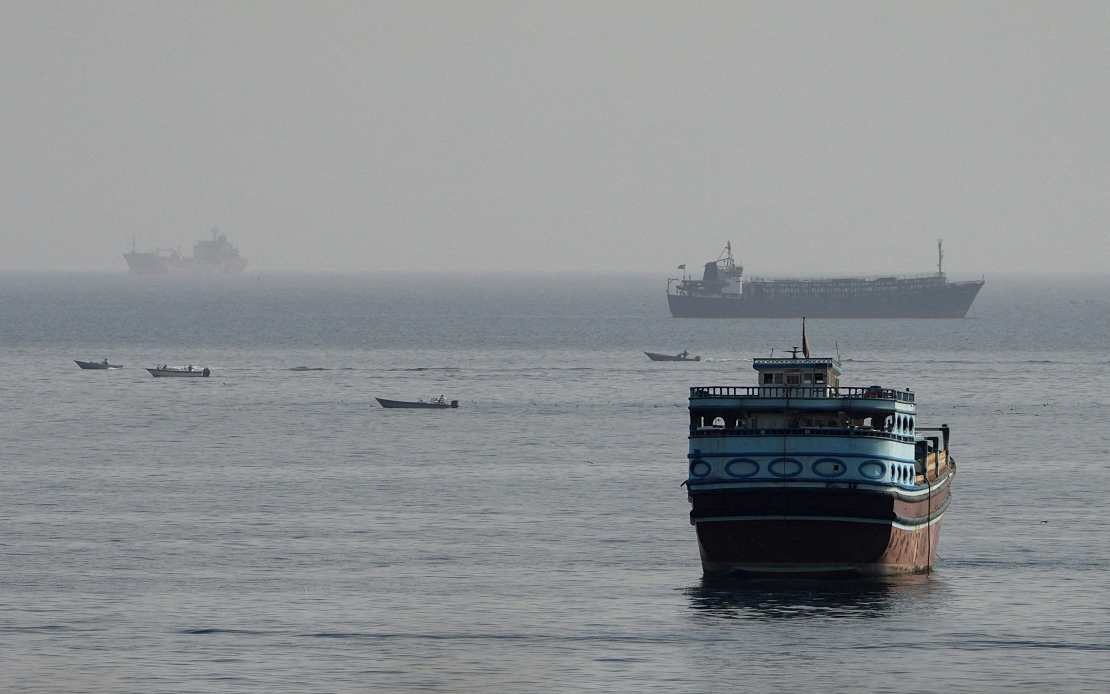
Japanese Prime Minister Sanae Takaichi has made a direct appeal to Iranian President Masoud Pezeshkian requesting that Tehran avoid imposing additional fees on vessels transiting the Strait of Hormuz, according to remarks made during a phone conversation on Wednesday. The intervention underscores Tokyo's concern about the escalating disruptions affecting one of the world's most strategically important maritime passages, which handles roughly one-third of global seaborne crude oil trade. Takaichi's comments to reporters at her Tokyo office reflect Japan's delicate position as both a staunch American ally and a nation with longstanding economic and diplomatic interests in Iran.
The timing of this exchange carries particular weight given the broader regional instability. The Strait of Hormuz has become increasingly precarious as negotiations between the United States and Iran remain deadlocked, creating an effective closure of normal shipping operations through the waterway. Japan, as a country heavily dependent on Middle Eastern oil imports, faces direct consequences from any disruption to energy flows through this critical chokepoint. The government in Tokyo has therefore moved to address the situation directly rather than rely solely on multilateral or American diplomatic channels.
During the same conversation, Takaichi also expressed what she characterized as "deep concern" regarding developments in the Bab el-Mandeb Strait, located on the opposite side of the Arabian Peninsula. She specifically asked the Iranian leadership to leverage its influence with Houthi rebels aligned with Tehran to persuade them to exercise military restraint in the region. This dual approach suggests Japan is attempting to address both the immediate challenge of maintaining free passage and the broader question of militant activity disrupting maritime commerce.
The Houthis, a rebel group operating from Yemen, declared what they termed a "maritime blockade" in July explicitly targeting vessels associated with Saudi Arabia. However, their attacks have extended to commercial shipping more broadly, demonstrating the indiscriminate nature of their maritime campaign. Recent incidents have included deadly assaults on cargo vessels within the Bab el-Mandeb Strait, which has increasingly become an alternative shipping corridor as anxious operators seek to avoid the troubled Strait of Hormuz route altogether.
Yemeni authorities confirmed on Tuesday that the Houthis were responsible for a significant attack on a cargo ship in the Bab el-Mandeb Strait. This incident illustrates how the closure or disruption of one critical maritime pathway creates dangerous knock-on effects throughout global shipping networks. Alternative routes become congested and more vulnerable to attack, ultimately raising costs and risks for international trade and energy security. For regional economies dependent on oil revenues or transit fees, such disruptions pose substantial challenges.
The conversation between Takaichi and Pezeshkian represents their first direct engagement since June and marks the fourth discussion between Japanese and Iranian leadership since the escalation of the US-Israeli conflict with Iran in late February. This frequency of high-level contact suggests Tokyo views the relationship as sufficiently important to warrant sustained diplomatic engagement despite the fraught regional environment. Japan has consistently sought to maintain its own independent channels with Tehran even as it coordinates closely with Washington on broader security matters.
Japan's traditional balancing act between alliance commitments and independent foreign policy becomes increasingly visible in the Middle East context. While classified as a close ally of the United States, Japan has historically cultivated and maintained reasonably cordial relations with Iran across decades of shifting geopolitical circumstances. This nuanced approach allows Japanese diplomats to communicate directly with Iranian leadership on matters of mutual concern without automatically deferring to American policy preferences.
For Southeast Asian observers, Japan's diplomatic initiatives carry relevance beyond the immediate bilateral relationship. Japan's energy security challenges—its reliance on imported oil and its geographic distance from the Middle East—mirror concerns faced by other developed Asian economies including South Korea and potentially regional states. The stability of maritime passages affects trade flows throughout Asia-Pacific, making regional responses to Middle Eastern disruptions a matter of collective interest. Malaysia, as a maritime nation and ASEAN member, faces similar vulnerabilities regarding freedom of navigation and energy supply chains.
The broader question of whether additional transit fees might be imposed on Hormuz shipping reflects deeper anxieties about Iran's potential responses to continued international pressure and sanctions regimes. Any move to monetize control over the strait would represent a significant escalation with far-reaching economic consequences. Japan's preemptive diplomatic approach suggests Tokyo seeks to establish clear positions before such crises fully materialize, attempting to prevent rather than merely respond to destabilizing developments.
Pezeshkian, who took office relatively recently, may represent an opportunity for dialogue that Japanese leadership believes is worth cultivating. By engaging directly and respectfully while clearly stating Japan's red lines regarding maritime access and fee structures, Tokyo signals both its commitment to normal international norms and its willingness to maintain dialogue. Whether such diplomatic pressure proves effective in restraining either Iranian government actions or Houthi militant activities remains uncertain, but Japan's engagement demonstrates how middle powers navigate complex regional conflicts while protecting vital national interests.

