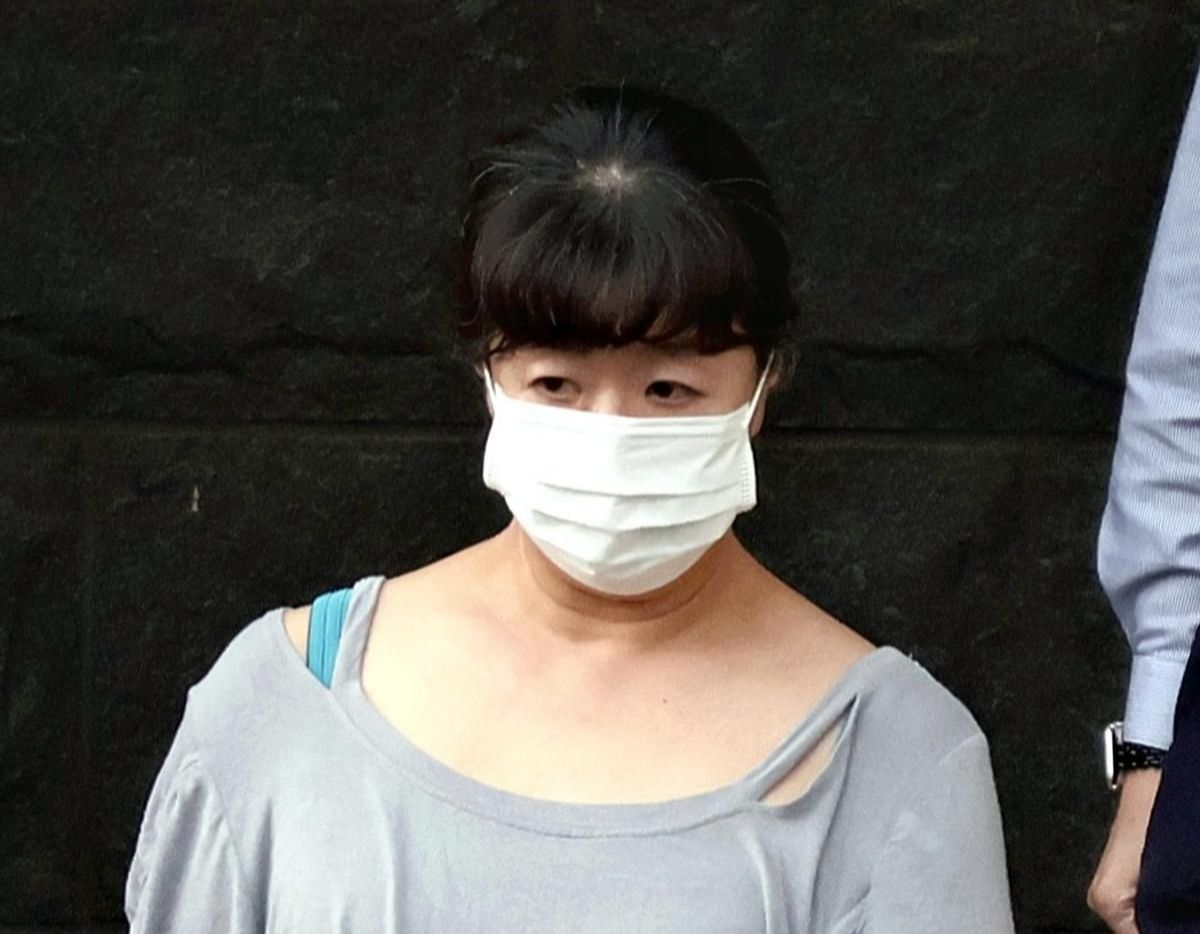
A 51-year-old midwife has been arrested in Chiba Prefecture, Japan, on suspicion of deliberately contaminating a hospitalised patient's medical equipment in an incident that resulted in the man's death. Miyuki Furukawa, a resident of Kashiwa, was taken into custody on Wednesday following an investigation by Chiba prefectural police into the circumstances surrounding a patient's death at Kashiwa Tanaka Hospital in late January.
The incident alleged against Furukawa occurred in the early morning hours of January 30, when she is suspected of having inserted faecal matter directly into the extension tube of an intravenous drip being administered to the 75-year-old patient at approximately 3.55am. The victim, who was a resident of Toride in neighbouring Ibaraki Prefecture, subsequently deteriorated and died the following evening at approximately 10.30pm on January 31. Investigators determined that the contamination of the medical line was deliberate rather than accidental.
The charge levelled against Furukawa is murder, reflecting the severity with which authorities view the alleged deliberate contamination of medical equipment. This classification suggests that investigators believe her actions directly caused the patient's death rather than merely contributing to a decline in his health. The decision to pursue a murder charge underscores how Japan's legal system treats intentional tampering with life-sustaining medical devices as a form of homicide.
For Malaysian healthcare professionals and the broader Southeast Asian medical community, this case raises troubling questions about workplace safety and patient protection within hospital environments. The incident demonstrates how even within secure medical facilities, vulnerable patients can be at risk from individuals with access to critical care equipment. Hospitals across the region have long grappled with ensuring adequate supervision and accountability in areas where vulnerable patients receive treatment, particularly during overnight hours when staffing levels may be reduced.
The motivation behind Furukawa's alleged actions remains under investigation by Chiba prefectural police. Authorities have not yet disclosed any apparent reason for the deliberate contamination, whether stemming from a personal grievance, workplace conflict, or psychological disturbance. This absence of clear motive adds to the disturbing nature of the case and highlights the importance of understanding what circumstances or warning signs might have preceded such actions.
The case also underscores the vulnerability of elderly hospital patients who may be less capable of detecting or reporting tampering with their medical equipment. The victim's age and likely frail condition would have made him dependent on hospital staff for his safety, creating an inherent power imbalance that made him particularly susceptible to harm. This vulnerability is not unique to Japan; elderly patients in Malaysia and across Southeast Asia face similar risks in healthcare settings where supervision gaps may occur.
From an institutional perspective, the incident at Kashiwa Tanaka Hospital raises questions about security protocols surrounding medical equipment and monitoring systems. Most modern hospitals implement various safeguards to prevent unauthorised access to patient care areas and to detect unusual activity near critical medical lines. The fact that such contamination could occur suggests potential gaps in these protective measures or insufficient monitoring of staff behaviour in patient care areas.
The case will likely prompt healthcare facilities throughout Japan to review their protocols for patient supervision and equipment security. Similar examinations may also occur across Southeast Asia, where medical administrators will consider whether their institutions have adequate protections against deliberate sabotage of medical equipment. Many hospitals in the region may need to implement additional oversight mechanisms or staff verification procedures, particularly in overnight hours when staffing is typically leaner.
For Malaysian readers and healthcare workers, this case serves as a stark reminder of the importance of maintaining rigorous professional standards and ethical conduct within medical settings. The breach of trust represented by Furukawa's alleged actions strikes at the fundamental relationship between healthcare providers and patients. This relationship, which depends upon patient confidence in their caregivers' commitment to their wellbeing, is essential to the functioning of any healthcare system.
The investigation by Chiba prefectural police will likely examine Furukawa's employment history, personnel records, and any prior incidents or complaints that might have indicated problems with her conduct or mental state. Such investigations often reveal warning signs that institutions missed or failed to act upon. Malaysian healthcare administrators should take note of such findings and assess whether similar warning systems exist within their own institutions.
As the investigation continues, the case also raises broader questions about mental health support and workplace wellness programmes for healthcare professionals. If personal or psychological factors contributed to Furukawa's actions, it highlights the need for employers to provide adequate support systems and to create environments where struggling staff members can seek help before their difficulties manifest in harmful behaviour toward patients.
The arrest and charges represent a significant moment in Japanese medical jurisprudence, establishing clear precedent that deliberate contamination of life-sustaining medical equipment constitutes murder. This legal standard will likely influence how similar cases are handled not only in Japan but potentially throughout the region, as neighbouring countries observe how the Japanese justice system addresses such egregious violations of medical trust and patient safety.

