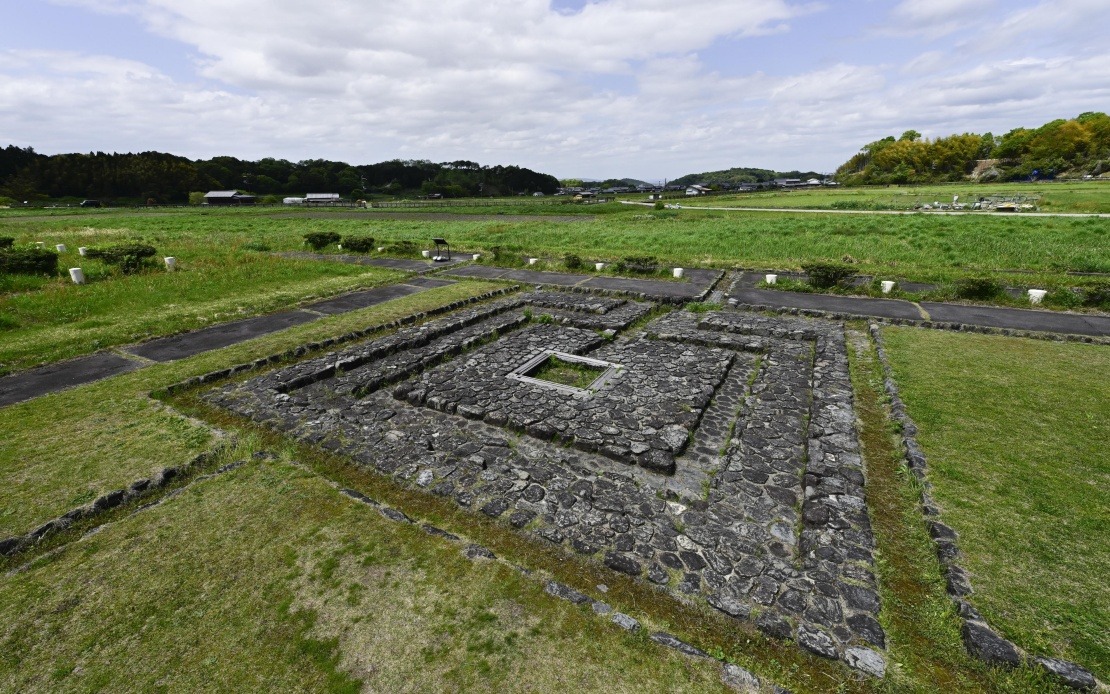
Japan has secured its 27th UNESCO World Heritage designation with the inclusion of the Asuka-Fujiwara archaeological sites in Nara Prefecture. The UN Educational, Scientific and Cultural Organisation made the decision at its World Heritage Committee meeting held in Busan, South Korea on Sunday, recognising the historical significance of what Japanese historians consider one of Asia's most pivotal periods in political development.
The designation encompasses 19 distinct archaeological sites spanning roughly 200 years from the late sixth century through the early eighth century. This era proved transformative for the Japanese archipelago as various regional powers consolidated authority into a unified administrative structure. The sites collectively document the physical and organisational infrastructure that emerged during this crucial transition, rendering them invaluable to understanding East Asian state-building processes during the classical period.
Central to UNESCO's recognition is the sites' demonstration of how Japan's emerging centralised state formed through sustained cultural and political exchange with neighbouring civilisations, particularly China and the Korean Peninsula. Rather than developing in isolation, these archaeological remains reveal a society actively absorbing administrative practices, religious traditions, and technological innovations from its continental neighbours while adapting them to local circumstances. This cross-pollination fundamentally shaped institutions that would endure for centuries.
The cluster includes some of Japan's most archaeologically significant locations. Foremost among these are the remnants of Asuka Palace and Fujiwara Palace, both intimately connected to the nation's early statecraft and the establishment of formal capital cities. These palace complexes served as administrative and ceremonial centres where centralised authority was exercised and consolidated. Their ruins reveal sophisticated urban planning and architectural sophistication that paralleled developments in China during comparable periods.
Beyond palatial remains, the designation encompasses temple ruins spanning Japan's early Buddhist period, a faith that became intimately bound with state legitimacy. Buddhist institutions provided intellectual, spiritual, and organisational frameworks that rulers leveraged to consolidate power and project authority. The religious architecture within the Asuka-Fujiwara cluster therefore represents not merely religious sites but integral components of state machinery during this formative era.
The ancient burial mounds or kofun included in the designation merit particular attention. The Takamatsuzuka mounded tomb stands out for its remarkably preserved interior murals, rendered in vivid colours that have survived more than 1,300 years. These artistic representations offer rare windows into the aesthetic sensibilities, religious beliefs, and social hierarchies of the Asuka period. Similarly significant is the Kitora mounded tomb, which houses the oldest known astronomical chart in East Asia—a scientific document that demonstrates the intellectual sophistication of the Japanese elite and their engagement with cosmological knowledge circulating across the continent.
For Southeast Asian observers, Japan's continued expansion of its World Heritage portfolio carries particular relevance. The region shares with Japan a heritage of cultural synthesis, where indigenous traditions mingled with continental influences to create distinctive civilisational forms. The Asuka-Fujiwara sites illustrate patterns of cultural adaptation and innovation that resonate with Southeast Asian historical experiences, particularly concerning how societies integrated external influences while maintaining distinct identities. Malaysia and other regional nations have similarly navigated interactions with more powerful neighbours while developing autonomous political and cultural systems.
UNESCO's advisory body endorsed the nomination in June, providing formal recommendation that preceded Sunday's approval. The inclusion brings Japan's total World Heritage designations to 27 sites: 22 cultural properties and five natural sites. This ranking positions Japan among the world's most recognised nations for heritage preservation and historical significance, reflecting both the country's abundant archaeological legacy and its institutional commitment to documentation and conservation.
The recognition underscores broader international interest in sites illuminating state formation processes in Asia. Understanding how centralised states emerged from predecessor systems remains academically important and politically resonant in regions where similar transitions occurred at different historical moments. The Asuka-Fujiwara cluster provides comparative evidence for scholars examining institution-building, elite formation, and the role of religious and cultural factors in political consolidation across East and Southeast Asia.
For Japanese policymakers and cultural institutions, the designation validates long-term preservation efforts and validates substantial investment in archaeological research and site management. It also enhances Japan's soft power by positioning the nation as custodian of important human heritage rather than merely national patrimony. This elevation of domestic sites to global significance strengthens Japan's voice in international cultural conversations and legitimises its claims to cultural importance within Asian historical narratives.
The timing of this recognition reflects broader patterns in UNESCO deliberations, where previously overlooked or less prominent sites receive increasing attention as the organisation strives for more geographically and thematically balanced heritage lists. The Asuka-Fujiwara designation demonstrates that even within well-studied regions and wealthy nations, substantial archaeological significance awaits formal global recognition. For other East and Southeast Asian nations with comparable or underrepresented archaeological heritage, the inclusion suggests that persistent documentation and nomination efforts can eventually secure international acknowledgement and the institutional support that accompanies World Heritage status.

