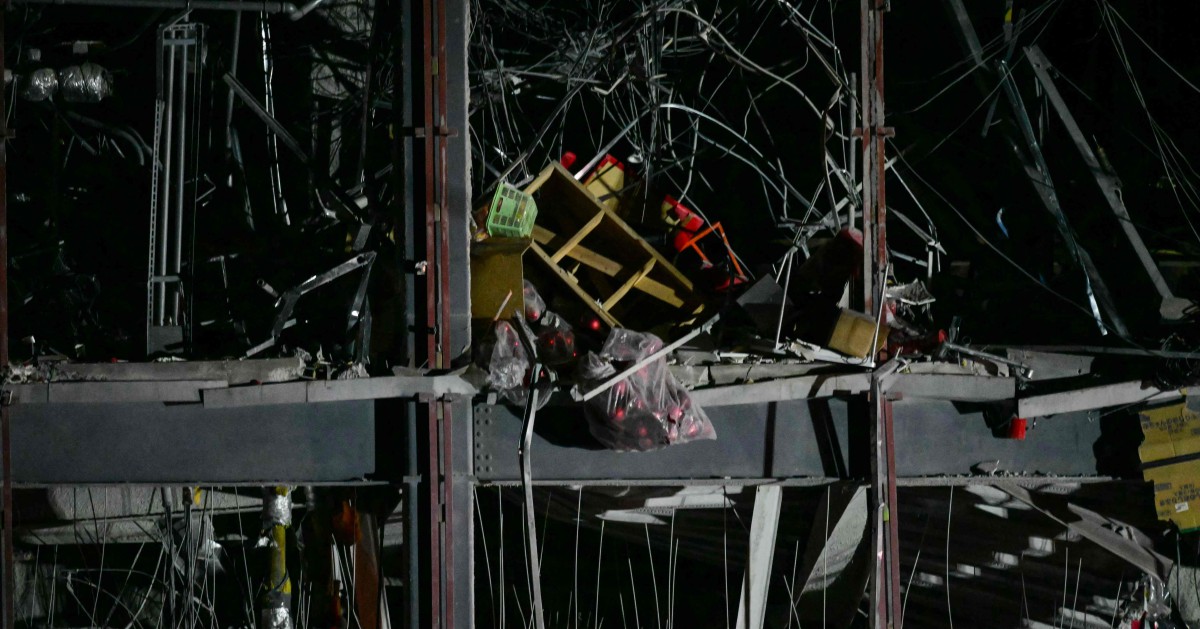
Japan has confirmed at least thirteen fatalities following a major earthquake that struck the nation on Tuesday, with Prime Minister Sanae Takaichi providing an update on the mounting humanitarian toll. The disaster has prompted coordinated response efforts across the country as authorities assess the full extent of damage and continue search and rescue operations in affected areas.
The earthquake's severity and the significant loss of life underscore the ongoing vulnerability of Japan to seismic activity, despite the nation's world-leading infrastructure designed to withstand such natural disasters. The Japanese archipelago sits along the Pacific Ring of Fire, making it one of the world's most earthquake-prone regions, and residents have developed sophisticated early warning systems and building codes over decades.
Prime Minister Takaichi's confirmation of the death toll represents preliminary figures, which typically increase as rescue teams access remote areas and conduct thorough assessments of collapsed structures. The immediate challenge facing Japanese authorities involves coordinating between national government agencies, regional prefectures, and local municipalities to ensure comprehensive coverage of rescue and medical response operations.
For Malaysian and Southeast Asian observers, Japan's earthquake response demonstrates the critical importance of preparedness infrastructure and inter-agency coordination during major disasters. The region itself faces similar seismic and natural disaster risks, and the coordination mechanisms employed by Japan offer valuable lessons for disaster management protocols throughout ASEAN nations.
Rescue operations have been prioritized in areas where structural damage appears most severe, with emergency responders working to locate survivors trapped beneath debris. Japan's Self-Defense Forces have mobilized personnel and equipment to support local firefighting and medical services, a standard procedure for major disaster events that maximizes the availability of specialized rescue teams.
The economic implications of the earthquake extend beyond immediate humanitarian concerns, potentially disrupting supply chains and manufacturing operations in affected prefectures. Given Japan's role as a major component supplier to regional industries, any prolonged disruption could have downstream effects across Southeast Asian manufacturing sectors that depend on Japanese inputs.
Communications networks and transportation infrastructure serve as critical enablers of disaster response, and Japanese authorities have historically prioritized restoring these systems quickly to facilitate relief distribution and coordinate emergency services. The sophistication of Japan's telecommunications infrastructure proved essential during past seismic events in maintaining communication between affected areas and command centres.
Temporary sheltering facilities are typically established for displaced residents, with local authorities working with community organizations and national government bodies to provide basic needs including food, water, and medical care. The scale of displacement following Tuesday's earthquake remains under assessment as damage surveys continue throughout affected regions.
International cooperation mechanisms may be activated if damage exceeds Japan's immediate response capacity, though the nation's robust disaster management systems typically enable self-sufficient recovery operations. Regional partners including ASEAN nations maintain disaster response protocols that facilitate rapid coordination should cross-border assistance become necessary, though no such requests have emerged at present.
The psychological and social dimensions of earthquake disasters extend beyond immediate physical injuries, affecting long-term mental health and community cohesion in affected regions. Japanese social support systems emphasize community-based recovery approaches that have proven effective in maintaining social fabric during extended reconstruction periods.
As investigations into building performance and infrastructure resilience continue, the incident will likely generate valuable data for earthquake engineering and disaster response planning. Japanese researchers and international seismic specialists routinely study such events to refine understanding of earthquake mechanics and improve protective design standards.
The coming weeks will reveal additional information about structural damage, displacement figures, and long-term recovery timelines as comprehensive assessments proceed. Prime Minister Takaichi's administration faces the dual challenge of immediate humanitarian response while maintaining national governance functions across other policy areas, a demanding coordination task that Japanese government structures are specifically designed to address.

