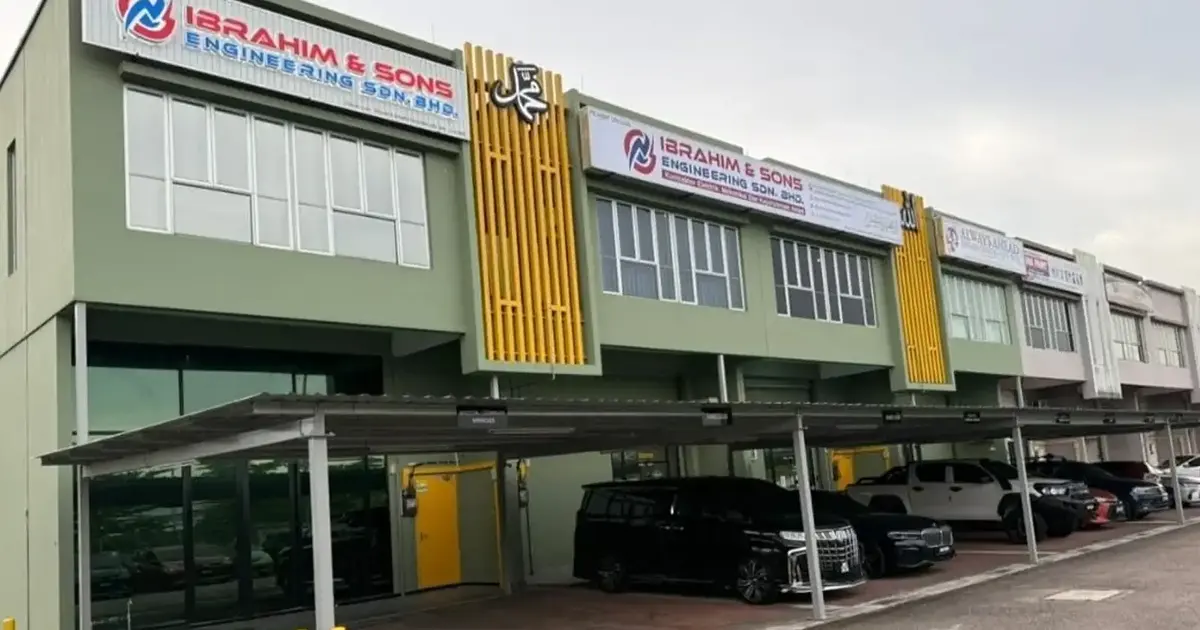
Ibrahim & Sons Engineering Sdn Bhd has escalated its dispute with Steel Hawk Engineering by launching a defamation counter-suit, alleging that the rival firm employed a calculated and coordinated media strategy designed to damage the company's standing and cast its directors in a fraudulent light. The Johor Bahru-headquartered firm contends that the accusations levelled against it form part of a broader orchestrated campaign rather than isolated complaints rooted in genuine grievance.
The counter-suit underscores the deteriorating relationship between the two engineering companies, which previously operated as business partners. The breakdown of this partnership has now transformed into litigation spanning multiple fronts, with both parties pursuing legal remedies through the courts. Such disputes within Malaysia's engineering sector are not uncommon, particularly when partnerships dissolve amid disagreements over financial arrangements, operational decisions, or project management responsibilities.
Ibrahim & Sons Engineering's assertion that Steel Hawk Engineering pursued a 'pre-planned media strategy' suggests the firm believes the public campaign against it was not spontaneous but rather carefully orchestrated to achieve specific commercial or competitive objectives. This characterisation is significant because it implies intentionality beyond standard business disagreements—the firm claims it has been subject to a deliberate effort to undermine its reputation and viability in the marketplace.
The engineering sector in Malaysia depends heavily on reputation and track record, particularly for firms seeking major contracts from government agencies and private corporations. Damage to a company's public image can have cascading consequences for its ability to bid for projects, secure financing, and retain existing clients. This is why defamation suits in the engineering and construction space often carry substantial stakes beyond the immediate legal remedies sought.
Johor Bahru, as a major industrial and commercial hub in the southern region, hosts numerous engineering and manufacturing firms competing for contracts and market share. The visibility of disputes in this locality means they often attract attention from industry players, potential clients, and regulators. The public nature of Steel Hawk Engineering's allegations, according to Ibrahim & Sons Engineering, amplified the damage to its commercial position and corporate credibility.
The counter-suit reflects a strategic decision by Ibrahim & Sons Engineering to challenge the narrative that Steel Hawk Engineering has constructed. Rather than limiting its response to defending against the original accusations, the firm is now mounting an offensive legal position by claiming it has been wrongfully maligned. This approach attempts to shift the focus from the substance of Steel Hawk Engineering's grievances to the manner and intent behind their public airing.
In Malaysia's legal framework, defamation cases require the plaintiff to demonstrate that statements made against the defendant are false, communicated to third parties, damaging to reputation, and made without justifiable privilege. The burden on Ibrahim & Sons Engineering will be to prove that Steel Hawk Engineering either knew its allegations to be false or acted with reckless disregard for their truth. The firm's emphasis on the 'pre-planned' and strategic nature of the campaign suggests it believes it can establish such bad faith.
The parallel pursuit of legal claims by both parties complicates the dispute and creates opportunities for negotiated settlement, though the current posture of each firm suggests both remain committed to defending their positions aggressively. Business partnerships that sour often involve genuine disagreements about financial obligations, intellectual property, or resource allocation—matters that defamation suits do not directly address but which may underlie the broader conflict.
For stakeholders in Malaysia's engineering sector, the dispute serves as a reminder of how partnership breakdowns can escalate into protracted litigation affecting multiple parties. Employees of both firms, their professional networks, and potential customers face uncertainty during extended legal proceedings. The reputation damage alleged by Ibrahim & Sons Engineering—if substantiated in court—underscores the real consequences for firms caught in high-profile disputes, regardless of ultimate legal outcomes.
The counter-suit also highlights the role of public communications in contemporary business disputes. Steel Hawk Engineering's decision to pursue its claims through media channels, according to Ibrahim & Sons Engineering's characterisation, raises questions about the appropriate venue for airing business grievances and the responsibilities of firms when making serious allegations publicly. These considerations extend beyond the immediate parties and touch on broader professional standards within Malaysia's corporate sector.
As both firms pursue their respective claims through the courts, the legal process will determine the veracity of underlying accusations and the validity of each party's characterisation of the other's conduct. The outcome will likely carry significance not only for the companies involved but also for how partnerships in Malaysia's engineering sector navigate disputes and communicate with stakeholders during periods of conflict.

