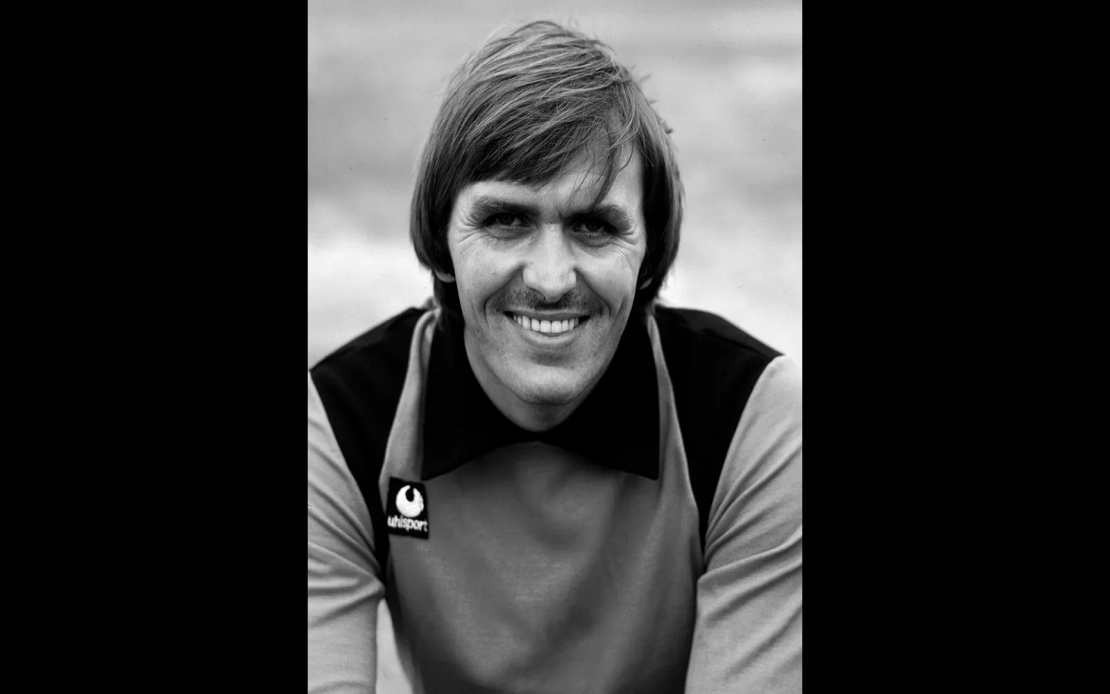
Jimmy Rimmer, the goalkeeper whose remarkable career with Aston Villa was defined by extraordinary misfortune on football's grandest stages, has died at the age of 78. The English shot-stopper's passing marks the end of an era for the Birmingham club, which released a tribute to one of the finest custodians of his generation—a player whose legacy was shaped as much by what he did not experience as by what he achieved.
Rimmer's most celebrated accomplishment came during Aston Villa's triumphant 1981 season, when he played every match as the club clinched the First Division title in what would prove to be the final hurrah of English football's golden era. His dependable presence between the posts was fundamental to Villa's assault on the English championship, establishing him as a cornerstone of their domestic success. Yet his story would become defined not by this achievement, but by the cruel circumstances that denied him the pinnacle of European football.
Just twelve months after Villa's domestic success, the club reached the European Cup final in Rotterdam—the zenith of club competition in the continent. Rimmer's participation, however, lasted merely nine minutes. A sudden neck injury forced him to withdraw from the match, and he watched from the sidelines as replacement Nigel Spink produced an immaculate performance to keep Bayern Munich at bay. Peter Withe's second-half strike secured Villa's only European Cup triumph, etching the club into history as English champions of Europe. Rimmer held a medal that he had not earned on the pitch, a peculiar position for a goalkeeper of his calibre.
The cruelty of Rimmer's circumstances extended further back into his career. Fourteen years before Rotterdam, he had experienced similar heartbreak as a Manchester United player, when he sat on the bench as the Red Devils defeated Benfica at Wembley in the 1968 European Cup final. That match, one of English football's most celebrated victories, featured Rimmer as an unused substitute—another moment of continental glory that he could claim but could not claim to have played in. Two European Cup winners' medals, zero appearances in those finals: a statistic that encapsulates the extraordinary misfortune that stalked Rimmer's otherwise accomplished career.
Spink's outstanding display in Rotterdam effectively ended Rimmer's prospects at Villa Park. Rather than remain as an ageing backup, Rimmer was transferred to Swansea in 1983, departing after accumulating more than two hundred appearances in the claret and blue. By that stage, his opportunity to become established as Villa's undisputed number one had passed, and Spink's error-free performance had cemented the younger goalkeeper's place in the club's history books. The transition represented a poignant conclusion to Rimmer's Villa tenure—the culmination of a spell that had generated silverware but not the recognition he deserved.
Rimmer's path to Villa Park had been shaped by similar patterns of displacement and competition. His career began at Old Trafford, where he found himself unable to dislodge Alex Stepney from the number-one position despite evident quality. That frustration prompted a move to Arsenal in 1974, where he honed his craft further before eventually arriving at Villa three years later. By the time he joined the Birmingham club, Rimmer had developed into a goalkeeper of genuine pedigree, yet throughout his career he encountered the peculiar misfortune of being understudy at the precise moments when European glory beckoned.
For Malaysian and Southeast Asian football enthusiasts, Rimmer's career presents an intriguing contrast to the contemporary game. The 1980s represented an era when English clubs dominated European competition, a period when the English First Division was considered the world's premier league and European Cup victories were expected rather than celebrated as anomalies. Rimmer's role in that dominant period, even if circumscribed by injury and circumstance, links him to a golden age of English football that has largely receded into historical memory.
Aston Villa's statement acknowledged the paradox of Rimmer's legacy with candour, recognising him as "arguably one of the unluckiest when it came to big occasions." The phrase captures the essential tragedy of his story—that a goalkeeper of demonstrable excellence should be remembered as much for matches he did not play in as for those he mastered. His two European Cup medals, typically symbols of distinction and achievement, became instead monuments to misfortune.
The death of Rimmer represents the gradual passing of the generation that made English football a European powerhouse. Players from that era are increasingly rare, and each departure removes direct witnesses to a period when clubs like Aston Villa could legitimately claim to be among the continent's elite. Rimmer's contribution to that achievement, though interrupted by circumstance, remained significant in the broader narrative of English football's dominance during the 1970s and early 1980s.

