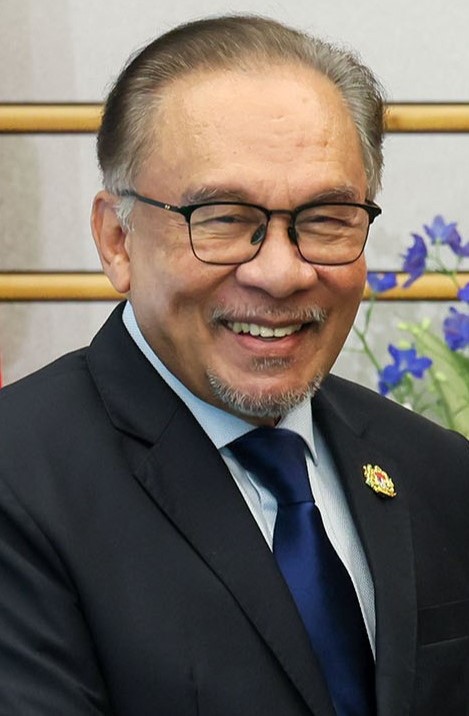
Dr Haim Hilman Abdullah, the elected assemblyman representing Jitra, faces a legal proceeding scheduled for the coming day at Seremban magistrate's court centred on assertions he previously issued regarding university admission pathways. The charges relate to claims the Kedah lawmaker has made in connection with opportunities for students seeking entry into tertiary education institutions. The development marks a significant legal complication for the state-level politician, whose recent public pronouncements have drawn scrutiny from authorities investigating the validity of his statements on this sensitive matter affecting thousands of Malaysian families each year.
The case underscores the intensifying accountability mechanisms surrounding political figures' public declarations on matters of national importance, particularly education policy. Higher education access has emerged as an increasingly contentious issue across Malaysia, with families and students depending on accurate information from public representatives. When elected officials make claims about admission pathways or institutional processes, their statements carry substantial weight within their constituencies and beyond, potentially influencing student decision-making and creating false expectations among vulnerable populations.
In the Malaysian political context, such charges against sitting state assemblyman carry implications that extend beyond individual accountability. The Seremban magistrate's court proceedings will serve as a test case for how the legal system addresses allegations involving misleading public communications by elected representatives. This particular matter touches education, an area where misinformation can directly harm student prospects and career trajectories. The prominence of the accused amplifies public interest in how courts will weigh evidence and determine liability in cases involving statements made by political figures to their constituents.
The timing of these charges reflects broader efforts by relevant authorities to maintain standards in public discourse, particularly regarding institutional processes that affect hundreds of thousands of Malaysians annually. University admission remains a highly sensitive topic in the Malaysian public sphere, with intense competition driving interest in any information suggesting alternative pathways or insider knowledge. Political figures wielding such information carry responsibility for accuracy, as their words can rapidly spread through community networks and social media platforms.
Dr Haim Hilman's appearance at the Seremban court represents a watershed moment for the Jitra assemblyman, whose political career has centred on constituency service and advocacy. The nature of the allegations—connected to higher education access claims—suggests that authorities have examined specific statements made by the politician and determined they merit formal legal examination. This approach indicates that watchdog institutions are taking seriously their mandate to investigate public figures' representations, particularly when such claims involve government processes and institutional procedures.
The education sector itself has become increasingly vigilant regarding misinformation. Universities and the Ministry of Higher Education have long struggled with public confusion about admission criteria, quota systems, and intake procedures. When elected representatives make definitive statements about these systems, they can inadvertently or deliberately create misconceptions that persist long after the statements themselves. The court case against Dr Haim Hilman may therefore serve an educative function, clarifying what constitutes acceptable public communication from political leaders on such matters.
For Kedah politics specifically, this development injects uncertainty into state-level discourse during a period when the coalition government has emphasized administrative efficiency and transparency. The Jitra assemblyman's legal troubles represent a distraction from that broader narrative. Constituents in his area will face questions about representation and whether the political focus has shifted away from local service delivery toward personal legal defence. The court proceedings are likely to dominate local media coverage and constituency conversations for an extended period.
The case also raises broader questions about the boundaries of political speech in Malaysia. While freedom of expression remains constitutionally protected, statements made by public figures about government processes and institutional policies operate within a different legal framework than purely personal opinion. Courts must balance protection of political discourse against accountability for factual claims about systems affecting public welfare. The charges against Dr Haim Hilman will require judicial examination of this balance.
For Malaysian voters and education advocates, the upcoming proceedings hold significance as a potential precedent. If courts rule against the assemblyman, it may establish clearer expectations for how political representatives should communicate about higher education access. Conversely, a favourable outcome for Dr Haim Hilman could be interpreted as deference to political speech protections. Either way, the outcome will likely influence how other elected figures approach public statements regarding sensitive institutional matters.
The Seremban magistrate's court will now oversee examination of the evidence underlying the allegations against the Jitra assemblyman. Both the prosecution and defence will present their cases, ultimately seeking judicial determination of whether Dr Haim Hilman's previous statements regarding university admission access constituted actionable violations. This legal process unfolds against a backdrop of heightened public sensitivity to education policy, political accountability, and information accuracy in the digital age, making this case relevant far beyond the immediate parties involved.