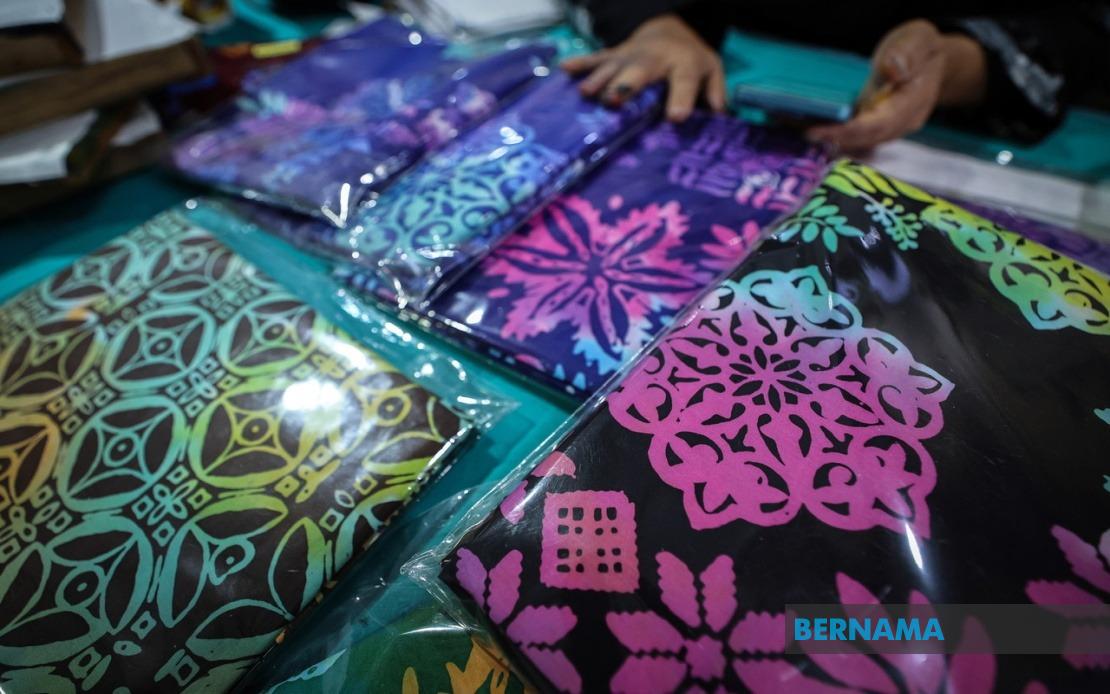
Johor is quietly building a reputation as a batik-producing state, moving beyond the traditional East Coast stronghold by developing textile designs that reflect its unique geographical and historical character. Artisans working in the southern state are increasingly drawing inspiration from Johor's natural resources, legendary history and distinctive environment to create batik pieces that stand apart in a crowded marketplace. This shift signals a broader effort to establish regional textile identities across Malaysia, with each state leveraging its own heritage to compete and differentiate in both domestic and international markets.
The designs emerging from Johor workshops incorporate visual elements directly connected to the state's most recognisable features and industries. Black pepper and gambir—crops with deep historical significance to Johor's economy—appear as recurring motifs on textiles. Coastal regions like Kota Tinggi and Sedili inspire compositions featuring mangrove forests and coral reef patterns, reflecting the maritime character of these communities. Meanwhile, districts such as Muar and Pontian draw from local flora, with the berembang tree and pineapple imagery adorning fabrics. Tiger-stripe patterns evoke Johor's wildlife heritage, creating a visual vocabulary that immediately identifies these pieces as distinctly Johor-made.
Maimunah Yaacob, a 58-year-old batik entrepreneur operating Ranorm Batik Creation in Kampung Singapura, Tanjung Sedili, stands as the pioneering figure in this emerging craft sector. Her three-decade commitment to developing and promoting Johor Batik has shaped the industry's foundation and artistic direction. Maimunah's journey began in 1993 when she underwent basic hand-drawn batik training in Terengganu, before relocating to Kuala Lumpur for two years of advanced instruction along Jalan Conlay. Upon completing her formal education, she took the entrepreneurial leap with minimal capital—merely RM2,000—to establish her business from her home kitchen.
When Maimunah launched her venture, batik enjoyed limited appreciation among Malaysian consumers, and the craft seemed an uncertain investment. Yet she persisted by identifying an unexploited market gap: designing batik patterns that departed meaningfully from existing offerings. This strategic approach to differentiation proved foundational to her long-term success. Rather than competing directly with established East Coast producers, she recognised that Johor's distinct identity could become her competitive advantage, leading her to develop the geographic and cultural motif system that now characterises Johor Batik as a recognisable category.
Authentic hand-drawn batik production depends on traditional techniques that machine-printed alternatives simply cannot replicate. Maimunah remains committed to these labour-intensive methods despite mounting competition from industrial printing facilities. The process involves applying hot wax using a canting tool to create intricate patterns, then dyeing the fabric. A defining characteristic of genuine hand-drawn batik emerges in the finished product: colours penetrate evenly through both sides of the material, creating a consistency impossible to achieve through surface printing. This tactile and visual quality allows informed buyers to immediately distinguish authentic hand-made batik from mass-produced imitations, establishing a clear quality hierarchy.
The market for Johor Batik has expanded considerably beyond initial projections, with pieces finding buyers regionally and even internationally. Recent participation in high-profile events such as the National Craft Day celebration in Kuala Lumpur and the Johor Craft Festival has elevated the brand's visibility within Malaysia's cultural sector. Notably, the batik has attracted purchasing interest from Singapore, indicating cross-border demand and potential for regional distribution networks. This geographic expansion demonstrates that locally-rooted designs can transcend state boundaries when positioned effectively within broader Southeast Asian markets.
Pricing across the Johor Batik product range reflects the diversity of formats and materials employed. Basic items such as headscarves retail from RM35, making them accessible to price-conscious consumers and casual buyers. At the premium end, silk attire sets command several hundred ringgit, appealing to collectors and those seeking investment pieces. This tiered pricing strategy allows the business to capture multiple market segments simultaneously—from young gift purchasers to affluent customers seeking authentic heritage textiles.
Recognising that traditional batik risks irrelevance among younger demographics, Maimunah and other producers are consciously developing contemporary and casual designs alongside heritage-focused pieces. This dual approach acknowledges demographic reality: the youth market increasingly drives consumption patterns, yet they often reject designs perceived as antiquated. By introducing modern cuts, colour palettes and styling while maintaining authentic production techniques, Johor artisans are positioning batik as a living craft capable of evolving without sacrificing authenticity. The strategy mirrors successful preservation efforts in other traditional industries across Southeast Asia.
The sustainability of Johor Batik ultimately depends on institutional support and intergenerational knowledge transfer. Maimunah has publicly advocated for expanded government programmes and formal training courses dedicated to batik production techniques and design. Such initiatives would address the critical shortage of young craftspeople willing to enter the labour-intensive field. Without systematic training infrastructure, the knowledge accumulated by pioneers like Maimunah risks dispersal as artisans age and retire without apprentices. This represents a broader challenge facing traditional crafts across Malaysia, where cultural preservation requires deliberate investment in education and market development.
The emergence of Johor Batik reflects a wider pattern of state-level cultural differentiation occurring throughout Malaysia. As communities seek to establish distinct identities within national and regional economies, traditional crafts offer powerful vehicles for cultural expression and economic development simultaneously. Johor's success in creating a recognisable batik category demonstrates that economic viability and cultural authenticity need not conflict; strategic marketing of heritage-based products can support both commercial objectives and preservation goals. As the southern state continues building its textile reputation, other Malaysian regions may recognise similar opportunities to leverage their own unique environmental and historical narratives.

