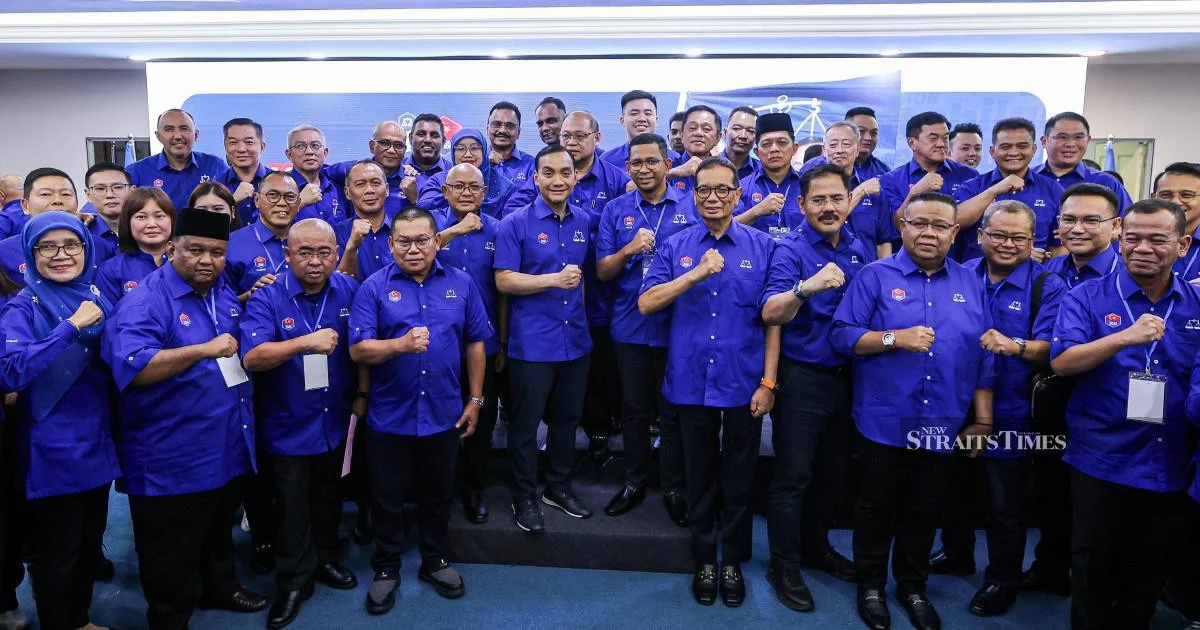
A wave of fresh political talent emerging from Johor's Barisan Nasional component parties is gearing up for an all-out push to secure the coalition's dominance in the forthcoming 16th state election on July 11. These newcomers, drawn from the various parties under the BN umbrella in the state, have signalled their unwavering commitment to translating on-ground support into electoral success, marking what could be a generational moment in Johor politics if their ambitions are realised.
The introduction of new faces into Johor's electoral contest reflects a broader BN strategy to refresh its political messaging and appeal to voters who may be fatigued by familiar names and established rivalries. These candidates, representing their respective parties within the coalition, bring varied professional backgrounds and grassroots connections that party strategists believe will resonate across different voter demographics in the peninsula's southern state. Their prominence in the campaign narrative suggests BN is seeking to balance continuity with innovation, leveraging both institutional strength and youthful energy.
Johor has historically been considered a BN stronghold, though its electoral fortunes have fluctuated in recent electoral cycles. The decision to field significant numbers of new candidates indicates the coalition recognises the need to energise its base and present a forward-looking image to voters. For Malaysian politics more broadly, the Johor election serves as a barometer of public sentiment and often influences dynamics at the federal level, given the state's size, economic importance, and strategic location adjacent to Singapore.
These new BN candidates have made explicit commitments to intensive ground-level engagement with voters, emphasising direct interaction over traditional media-centric approaches. Their willingness to undertake door-to-door campaigns and community dialogues represents an attempt to rebuild the personal connections that have historically underpinned BN's grassroots dominance. The emphasis on direct voter contact may prove particularly important in constituencies where opposition parties have made inroads by cultivating their own ground networks over recent years.
The timing of this generational refresh within BN's Johor ranks comes at a moment when the coalition is reasserting itself nationally following periods of electoral setbacks. The fielding of new candidates can be interpreted as a sign of organisational confidence, suggesting party hierarchies believe they have identified talent capable of defending and expanding the coalition's parliamentary and state seats. It also signals to party members and supporters that pathways for advancement exist for those willing to commit themselves to party objectives.
From a strategic perspective, the diversity of backgrounds among these new candidates is noteworthy. By drawing from different professional sectors, community groups, and demographic categories, BN is attempting to broaden its appeal beyond its traditional supporter base. This approach acknowledges that electoral success in contemporary Malaysia requires reaching beyond comfortable demographic strongholds and building coalitions of interest that cross traditional dividing lines.
The July 11 election will test whether this strategy of blending established BN machinery with fresh political personalities can overcome opposition challenges. Opposition parties have invested considerable effort in recent years into strengthening their presence in Johor, and they will likely campaign aggressively to contest seats where BN has typically performed strongly. The performance of these new BN faces in media debates, campaign events, and voter interactions will significantly influence whether the coalition's gamble on new talent pays electoral dividends.
For Johor voters, the presence of new candidates offers both opportunities and challenges. While fresh voices may bring new policy ideas and untested perspectives to state politics, voters must also assess whether newcomers to electoral politics possess the experience and capability necessary to effectively serve their constituencies. The quality of these new candidates, and their demonstrated commitment to constituent services, will likely weigh heavily in voter calculations.
The broader Malaysian political context adds another layer of significance to Johor's state election. The outcome will provide insight into whether the current federal government framework enjoys sufficient public support to translate into state-level victories, or whether voters are moving toward a different political arrangement. The state election also offers an opportunity to assess whether BN's coalition arrangements remain stable or whether fissures between component parties are widening, concerns that party observers have monitored closely in recent years.
These new Johor BN candidates face the challenge of simultaneously establishing their own political identities while remaining credible representatives of an established coalition with deeply rooted institutional interests. Their campaign messaging will need to articulate how their individual visions align with broader BN objectives whilst also addressing local Johor concerns around economic development, education, and infrastructure. Success will require them to distinguish themselves as individuals capable of advancing their constituents' interests whilst remaining reliable coalition members.
The commitment demonstrated by these fresh candidates should not be underestimated in terms of their immediate campaign contributions. New faces often bring enthusiasm and personal networks that can mobilise voters who might otherwise remain disengaged from electoral processes. Whether this enthusiasm translates into vote conversion will ultimately determine the success of BN's strategy in Johor on polling day.

