Nearly 25,000 military and police personnel and their families will cast ballots early in Johor on July 7 as the state prepares for its 16th election, but weather forecasters are warning voters to prepare for variable conditions throughout the day. The Johor Meteorological Department has issued a detailed breakdown of expected weather patterns across the state's districts, with implications for the smooth conduct of voting in an election that will ultimately involve nearly 2.8 million eligible voters across 56 state seats.
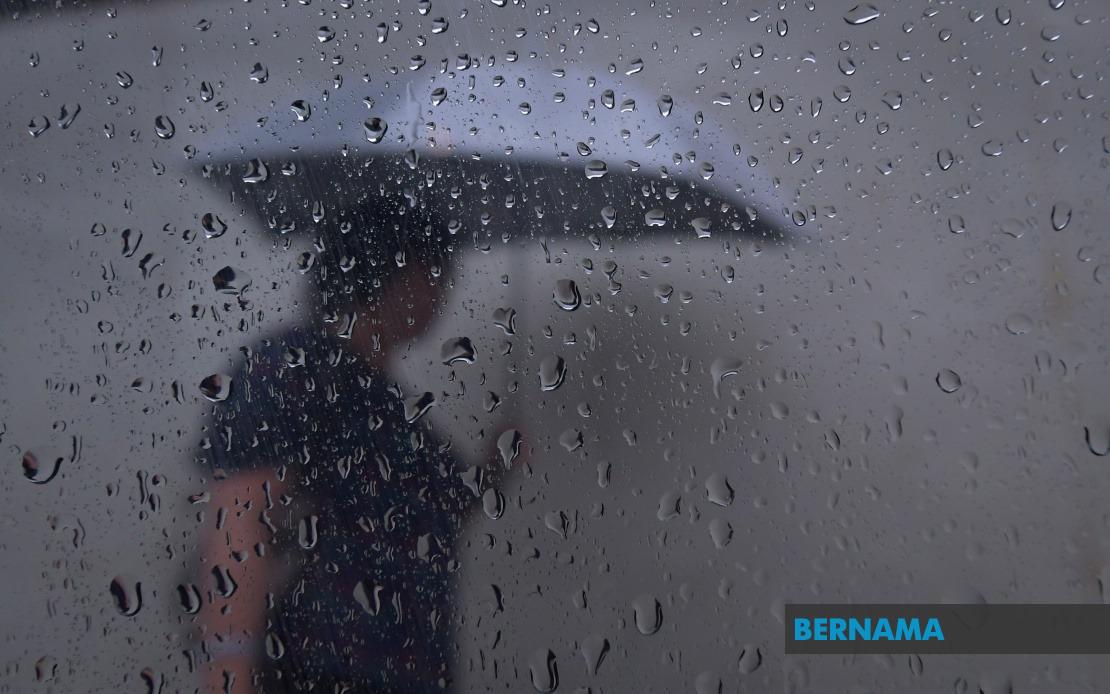
According to Johor MetMalaysia director Azlai Ta'at, four districts face particular weather challenges during the morning hours of early voting. Batu Pahat, Muar, Pontian, and Tangkak are all expected to experience morning showers, which could affect the flow of voters heading to polling stations. The remaining districts—Johor Bahru, Segamat, Kluang, Kota Tinggi, Mersing, and Kulai—are predicted to enjoy fine and sunny conditions initially, presenting a more favourable environment for voting in those areas during daylight hours.
The meteorological outlook deteriorates significantly as the day progresses across the entire state. Azlai warned that thunderstorms are forecast to sweep across all 10 districts by afternoon, meaning that regardless of morning conditions, voters who delay their participation will contend with deteriorating weather. This comprehensive afternoon deterioration creates a potential bottleneck effect, where voters might rush to cast ballots before afternoon conditions worsen, or alternatively, the threat of storms might discourage participation later in the day.
In response to these forecasts, election officials and the meteorological department have urged early voters to participate as soon as polls open. The practical advice reflects genuine operational concerns—extended rain and thunderstorms can disrupt traffic patterns, reduce visibility, and generally dampen voter turnout. For military and police personnel, many of whom may be stationed away from their home constituencies or have shift-based obligations, the window for early voting is already constrained, making the morning window even more critical.
The scale of early voting in Johor underscores the institutional importance of this segment of the electorate. A total of 24,751 early voters comprise two distinct groups: 12,041 Malaysian Armed Forces personnel and their spouses, and 12,710 Royal Malaysia Police and General Operations Force personnel and their spouses. These categories reflect the traditional recognition that uniformed services personnel may be on duty or stationed elsewhere during regular polling days, necessitating alternative voting arrangements that must be logistically coordinated separately from the main election machinery.
Sixty-four early voting stations have been established across Johor to accommodate this cohort, opening from 8 am on July 7. The staggered closing times between noon and 6 pm reflect variations in voter load across different locations, allowing election commissions to manage queues while ensuring adequate opportunity for all eligible personnel to participate. This operational flexibility becomes particularly relevant when weather conditions might otherwise compress voting into an even shorter practical window.
The broader context of this early voting exercise is Johor's 16th state election, which will ultimately determine the composition of the state assembly. A total of 172 candidates are contesting 56 state seats across the state, representing competition that is anticipated to be vigorous given Johor's political significance within Malaysia's electoral landscape. The state's electorate of 2,727,926 eligible voters makes Johor a substantial electoral battlefield, and any disruptions to voting patterns—whether through weather or other factors—can have measurable effects on final participation rates and, potentially, electoral outcomes.
Regular polling day is scheduled for Saturday, July 8, when the vast majority of Johor's voters will head to 1,140 polling centres across the state. The early voting exercise on July 7 therefore represents only a preliminary phase, though one that carries symbolic and practical importance for the uniformed services and their families. Weather patterns on early voting day could set the tone for overall voter sentiment and enthusiasm heading into the main election day itself.
The intersection of meteorological forecasting and electoral administration illustrates how modern elections must account for multiple variables beyond purely political considerations. Election officials must balance operational efficiency, voter convenience, and equitable access to the ballot box, all while working within constraints imposed by geography, weather, and institutional capacity. The Johor Meteorological Department's detailed and timely forecast enables voters and administrators to plan accordingly, even as it highlights the vulnerability of outdoor voting processes to climatic disruption.
For Malaysian voters observing the Johor exercise, the weather advisory serves as a reminder of the practical complexities underlying election management. While weather disruptions might appear minor in isolation, they can accumulate across different polling locations and time periods to significantly affect participation rates and the timing of vote tallying. The early notice and specific geographic breakdown provided by MetMalaysia demonstrates the increasing sophistication of coordination between technical services and electoral bodies, aimed at preserving the integrity and accessibility of the voting process.
The experience in Johor will likely inform operational decisions for other state and federal elections, particularly regarding how election commissions prepare for meteorological challenges and how they communicate weather-related guidance to voters. The emphasis on morning voting reflects practical wisdom born from electoral experience—encourage participation when conditions are most favourable, acknowledge that afternoon deterioration is likely, and trust that voters will respond rationally to credible forecasts from authoritative sources.

