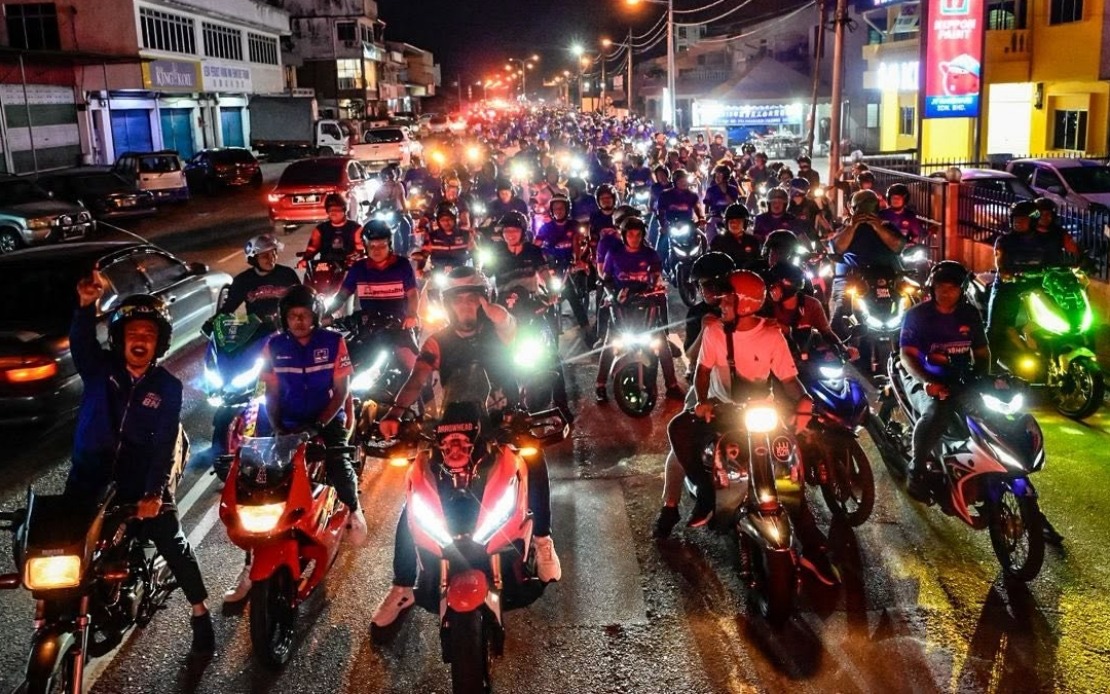
Barisan Nasional appears well positioned for a solid showing in the Johor state election scheduled for July 11, according to UMNO Youth leadership assessing campaign progress on the ground. Datuk Dr Muhamad Akmal Saleh, heading the youth wing, expressed confidence about the coalition's trajectory in remarks made during a campaign stop in Selandar on June 30, noting that preliminary indicators suggest the momentum is building in BN's favour.
The UMNO Youth chief emphasised that one of the most telling indicators of BN's campaign viability has been the receptiveness displayed by younger voters throughout the preliminary stages. Rather than relying solely on traditional strongholds, the coalition appears to be making inroads among demographics that have sometimes proven unpredictable in recent electoral cycles. This generational backing, according to Dr Muhamad Akmal's assessment, points to a more durable coalition position than raw polling figures alone might suggest.
BN's strategic decision to field 13 candidates under the age threshold typically associated with youth politics reflects a deliberate effort to reshape the party's public image. Of these younger contenders, six originate from UMUNO Youth's ranks directly, signalling that the selection process has prioritised party loyalty alongside demographic considerations. This approach suggests that BN leadership believes the infusion of fresher faces can simultaneously address voter fatigue with established politicians while maintaining ideological coherence within coalition ranks.
The emphasis on youth representation carries particular significance within Malaysian politics, where demographic change has accelerated significantly over the past decade. Younger voters increasingly expect to see themselves reflected in candidate slates, and their electoral participation rates have fluctuated based partly on whether major coalitions appear genuinely committed to nurturing new leadership. For BN, which has faced criticism for appearing entrenched around established power structures, the visibility of young candidates constitutes a tangible counter-narrative.
Johor's electoral significance extends beyond the state itself within Malaysia's broader political architecture. As the country's largest state by population and historically a BN stronghold, the July 11 results will serve as a barometer for coalition health heading into subsequent electoral contests scheduled throughout 2022. Any substantial gains or losses here would reverberate through calculations regarding federal prospects and the sustainability of the post-2020 political realignment.
The UMNO Youth machinery's operational readiness, as indicated by Dr Muhamad Akmal, suggests that organisational factors have received adequate attention alongside candidate selection. Ground-level campaign apparatus, whether functioning through traditional party structures or newer digital mobilisation channels, ultimately determines whether leadership confidence translates into electoral performance. The stated preparedness for Johor and subsequent state contests indicates that resource allocation and volunteer coordination have proceeded according to schedule.
Campaign momentum, the intangible factor frequently cited by political figures across all major coalitions, depends heavily on psychological perception and media narrative alongside actual policy substance. When UMNO Youth leadership characterises support as "highly encouraging" and the "momentum is very positive," they simultaneously articulate an assessment and attempt to reinforce it through public statements. Voters frequently respond to perceived inevitability, either by moving toward a seemingly ascendant coalition or by mobilising defensively against it.
The invocation of religious sentiment—"Insya-Allah, we have a good chance"—reflects customary rhetorical patterns within Malaysian politics but also underscores how campaigns frequently blend pragmatic political calculation with appeals to faith. This linguistic choice resonates particularly with demographics for whom religious identity remains integral to political identity, potentially amplifying messaging effectiveness within certain constituencies.
BN's campaign strategy incorporating substantial youth candidate participation must also contend with the reality that younger voters frequently prioritise issues differently than their elders. Economic opportunity, climate policy, and social liberalism typically rank higher among younger cohorts, while older voters may weight stability, security, and traditional values more heavily. Whether BN's young candidates represent genuine policy reorientation or primarily cosmetic updating remains a question that will shape their electoral credibility.
The Johor election occurs within a broader context of Malaysian politics still adjusting to post-2020 instability. The collapse of Pakatan Harapan's federal coalition and subsequent reconfiguration created new uncertainties regarding traditional voting patterns. In this environment, any state-level contest carries heightened significance as coalition partners assess their respective viability and voters recalibrate their electoral calculations.
Looking forward, the extent to which BN's July 11 performance meets or falls short of leadership expectations will influence subsequent campaign intensity and resource deployment. Should results validate current optimism, the coalition will likely intensify emphasis on youth engagement across remaining contests. Conversely, disappointing outcomes might trigger strategic recalibrations regarding candidate positioning and messaging priorities heading into the remainder of 2022's electoral calendar.

