The Johor State Election Dialogue will proceed as planned on Tuesday, July 7, even though Menteri Besar Datuk Onn Hafiz Ghazi will not participate due to prior engagements. The event, scheduled to begin at 8 pm at the RTM Auditorium within the Johor Broadcasting Department, has been jointly organised by RTM, Astro AWANI and Sinar Harian to facilitate public discussion on state-level governance ahead of the upcoming election.
An aide to Onn Hafiz confirmed when contacted that the Menteri Besar would not appear on the programme schedule. The statement offered no elaboration on the reasoning behind the decision, though the office attributed it to other commitments taking precedence. This marks a notable absence from what organisers positioned as a critical platform for addressing voter concerns during a pivotal electoral moment for the state.
Despite the Menteri Besar's non-attendance, the dialogue will welcome significant political figures and stakeholder participation. Communications Minister Datuk Fahmi Fadzil is confirmed to participate, alongside Dr Maszlee Malik, the Pakatan Harapan candidate contesting for the Puteri Wangsa state seat. The broadcaster and news outlets have extended formal invitations to both political figures to ensure representation across the political spectrum, though the balance has been altered by the Menteri Besar's withdrawal.
The Johor Information Department outlined in its invitation circular that approximately 200 participants from various government departments, statutory agencies, and MADANI Communities are expected to attend the session. This substantial gathering indicates the organisers' commitment to generating broad engagement with the electoral process, encompassing both public sector workers and community representatives who can relay discussions to their networks.
The dialogue format aims to deliver a balanced platform allowing key political figures to articulate their respective visions, policy frameworks, prioritised initiatives, and proposed solutions to matters of public concern affecting Johor's residents. The one-hour duration reflects a compact schedule designed to maintain audience engagement while covering substantive policy territory. The format was constructed to ensure voters and stakeholders could directly encounter competing perspectives on governance before casting their ballots.
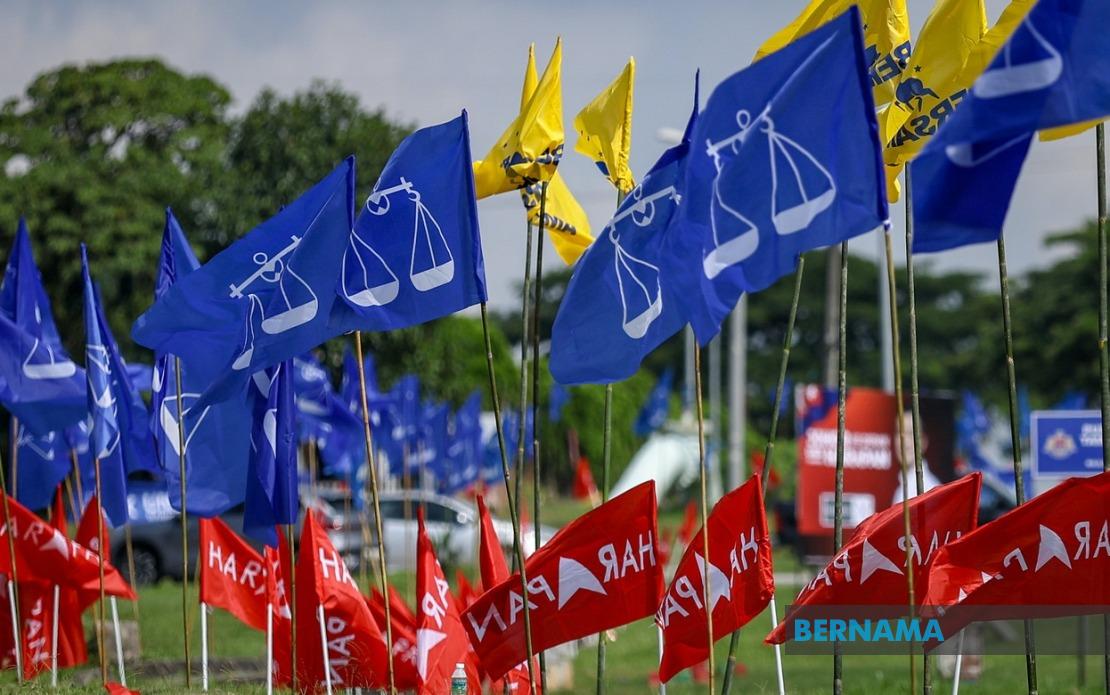
Johor is preparing for its 16th state election, a significant electoral contest that will determine the composition of the state assembly for the coming term. Fifty-six state assembly seats will be contested by 172 candidates representing various political parties and coalitions. The electoral calendar shows polling day scheduled for July 11, with early voting opportunities available on July 7, the same date as this dialogue session. The compressed timeline means the event occurs during the final intensive campaigning period when voter decisions are crystallising.
The simultaneous scheduling of early voting on the dialogue date presents logistical considerations for both organisers and participants. Early voters who wish to cast ballots before polling day will be able to do so, creating potential overlap with dialogue attendance. This compressed schedule underscores how campaigns in Malaysia's electoral system must adapt to multiple concurrent democratic processes, from formal voting mechanisms to public information events.
The Menteri Besar's absence from this platform carries political implications within the state's governance context. Such dialogues typically showcase the incumbent administration's readiness to engage publicly with challenges and articulate policy achievements and future directions. The withdrawal, irrespective of stated reasons, potentially shifts the conversational dynamic at an event originally framed to accommodate leading figures from both the government and opposition benches.
From a regional perspective, Johor's election outcomes hold significance beyond the state itself. As Malaysia's second-largest state by population and a significant economic contributor, electoral shifts in Johor often carry implications for national political calculations and coalition dynamics. The state has historically been a political bellwether, with results influencing perceptions of momentum and support patterns heading into broader national considerations. The dialogue, despite its local focus, serves as a microphone for political messaging aimed at national audiences monitoring state-level developments.
The participation of Communications Minister Datuk Fahmi Fadzil brings federal-level visibility to the proceedings, signalling Putrajaya's engagement with Johor's electoral process. His attendance connects state-level concerns to the federal policy apparatus and demonstrates the Pakatan Harapan-led federal government's investment in these electoral contests. For opposition candidates like Dr Maszlee Malik, such platforms provide opportunities to project alternative visions for state governance and establish their credentials before a curated audience of informed participants.
The dialogue represents one of several mechanisms through which Malaysian elections are conducted in the modern era, blending traditional broadcast journalism with public forums designed to facilitate informed decision-making. While one-hour dialogues cannot comprehensively address the complexity of state governance, they offer symbolic and practical value in formalising the presentation of competing perspectives on matters affecting constituents' daily lives and long-term welfare.
As Johor heads toward polling day, the state election dialogue will contribute to the broader campaign environment, though without the participation of the incumbent administration's chief executive. The event's completion as scheduled will demonstrate the organisers' commitment to facilitating political discourse regardless of individual absences, though the quality and comprehensiveness of discussion may be affected by the Menteri Besar's non-participation.

