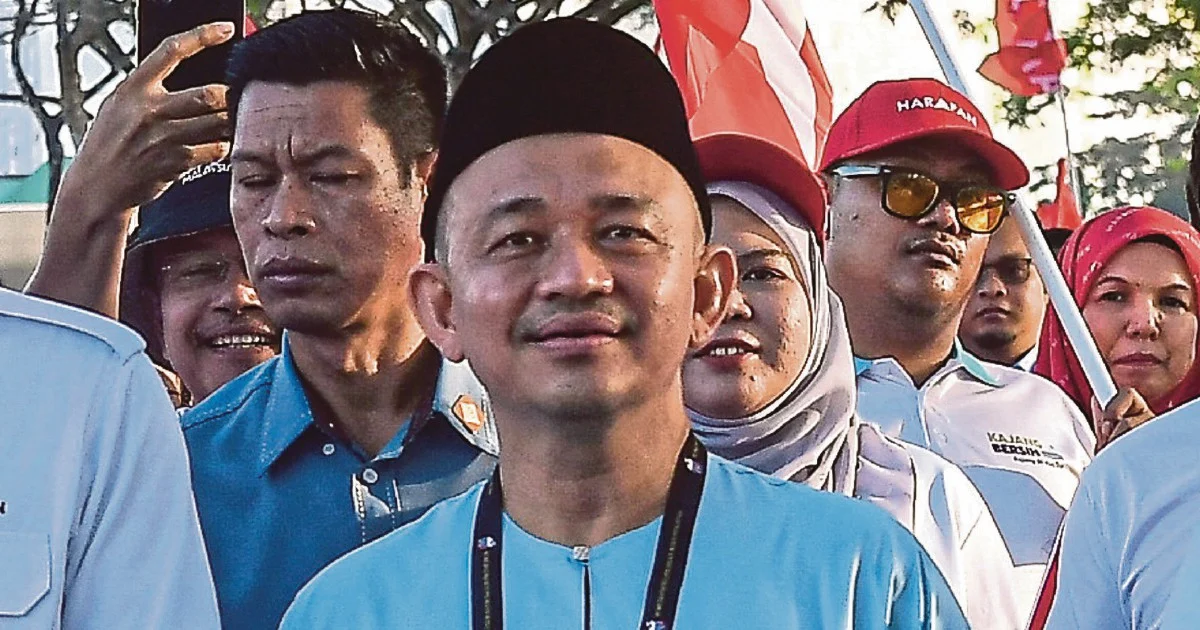
In Johor Baru, former education minister Dr Maszlee Malik has articulated an optimistic vision for what a Pakatan Harapan triumph could deliver for Johor, positioning election victories as pivotal to unlocking new developmental pathways for the southern state. Speaking to the electoral landscape, Maszlee highlighted the Puteri Wangsa seat alongside other contestations as critical battlegrounds where coalition gains would signify broader support for the opposition's policy direction and governance model.
Maszlee's intervention underscores the intensifying political competition in Johor, a state historically dominated by the Barisan Nasional coalition but increasingly contested by rival blocs. As one of Malaysia's economically significant states, with substantial manufacturing capacity, port facilities, and agricultural output, electoral outcomes here carry weight beyond parochial state politics. The former education minister's framing of a PH victory as a "new chapter" reflects opposition efforts to reposition themselves as agents of meaningful transformation rather than merely pursuing office.
The strategic emphasis on Puteri Wangsa reflects broader opposition calculations about which constituencies offer the greatest potential for gains. This seat, like many across Johor, has been subject to demographic shifts and evolving voter sentiment that may favour opposition messaging around governance reform and economic inclusion. By spotlighting this particular battleground, Maszlee appears intent on mobilising support among constituencies where PH believes it holds competitive advantages or where dissatisfaction with incumbent administrations runs deepest.
For Malaysian observers, Maszlee's comments carry particular resonance given his previous role in education policy. His credibility as a former minister positions him as a voice that carries institutional weight, potentially influencing how voters perceive opposition credibility on substantive policy matters. This approach contrasts with purely negative campaigning and instead attempts to project a constructive vision anchored in specific developmental outcomes, which may resonate among voters seeking concrete policy differentiation.
Johor's electoral dynamics reflect broader patterns reshaping Malaysian politics since the watershed 2018 general election. The state remains a proving ground where different coalitions test their appeal and where electoral shifts can signal emerging national trends. A strong PH showing in Johor would substantiate claims of sustained opposition momentum, whereas Barisan retention would indicate the government's continuing grip on traditional strongholds despite broader anti-establishment sentiment visible elsewhere.
The development agenda that Maszlee highlights extends beyond rhetorical positioning. Johor faces genuine policy challenges around urban-rural integration, manufacturing competitiveness amid regional shifts, and managing the socioeconomic implications of port modernisation and industrial transformation. Both ruling and opposition coalitions must convincingly articulate how their governance models address these structural shifts, and Maszlee's invocation of a "new chapter" attempts to claim the mantle of forward-thinking administration.
Context matters significantly for interpreting such electoral messaging. Johor has substantial populations in both urban centres and rural areas, generating diverse policy priorities that both coalitions must navigate carefully. Opposition messaging about development typically emphasises inclusive growth, anti-corruption frameworks, and democratic accountability, positioning these as prerequisites for unlocking the state's full economic potential. Maszlee's framing aligns with this broader rhetorical strategy while attempting to translate abstract governance principles into tangible voter concerns.
The significance of individual seat contests like Puteri Wangsa should not be underestimated in Malaysian electoral arithmetic. Constituency-level outcomes accumulate into state and eventually national trajectories, and opposition strategies increasingly focus on targeted seat-level campaigns rather than blanket appeals. By identifying specific seats where PH believes it can prevail, Maszlee's commentary reflects sophisticated electoral targeting and acknowledgment that victory requires precision in resource allocation and messaging.
For regional observers monitoring Malaysian political developments, Johor elections carry implications beyond state boundaries. Malaysia's internal political balance affects regional stability and bilateral relations with neighbours including Singapore and Indonesia. Johor's strategic location and economic importance make its governance trajectory noteworthy for stakeholders across Southeast Asia, particularly given the state's integrated cross-border economic ties with Singapore and its role in Malaysia's broader industrial and trade networks.
Maszlee's optimistic posturing also signals opposition confidence heading into electoral contests, though confidence and actual electoral performance sometimes diverge substantially in Malaysian politics. The former minister's emphasis on development outcomes rather than personalised attacks represents an attempt to elevate campaign discourse, potentially appealing to swing voters who prioritise substantive governance questions over partisan tribalism. Whether such messaging ultimately resonates depends on how effectively opposition parties translate developmental rhetoric into credible implementation plans that voters find convincing.
As Johor moves toward electoral contests, the competition for voter support will intensify across multiple policy domains. Maszlee's contribution to PH's campaign narrative attempts to position opposition victory as prerequisite for state-level progress, framing the election as consequential for economic development and social advancement. This approach requires opposition parties to follow through with detailed policy proposals and credible mechanisms for implementation, transforming optimistic proclamations into voter trust through demonstrated competence and transparency.

